We support bold ideas that can radically change the way we care for nature.
Our values
Driven by , grounded in , and , and brought to life by and open . We approach our work with and a sense of .
How we work
Dominant social systems contribute to social inequities and loss of nature
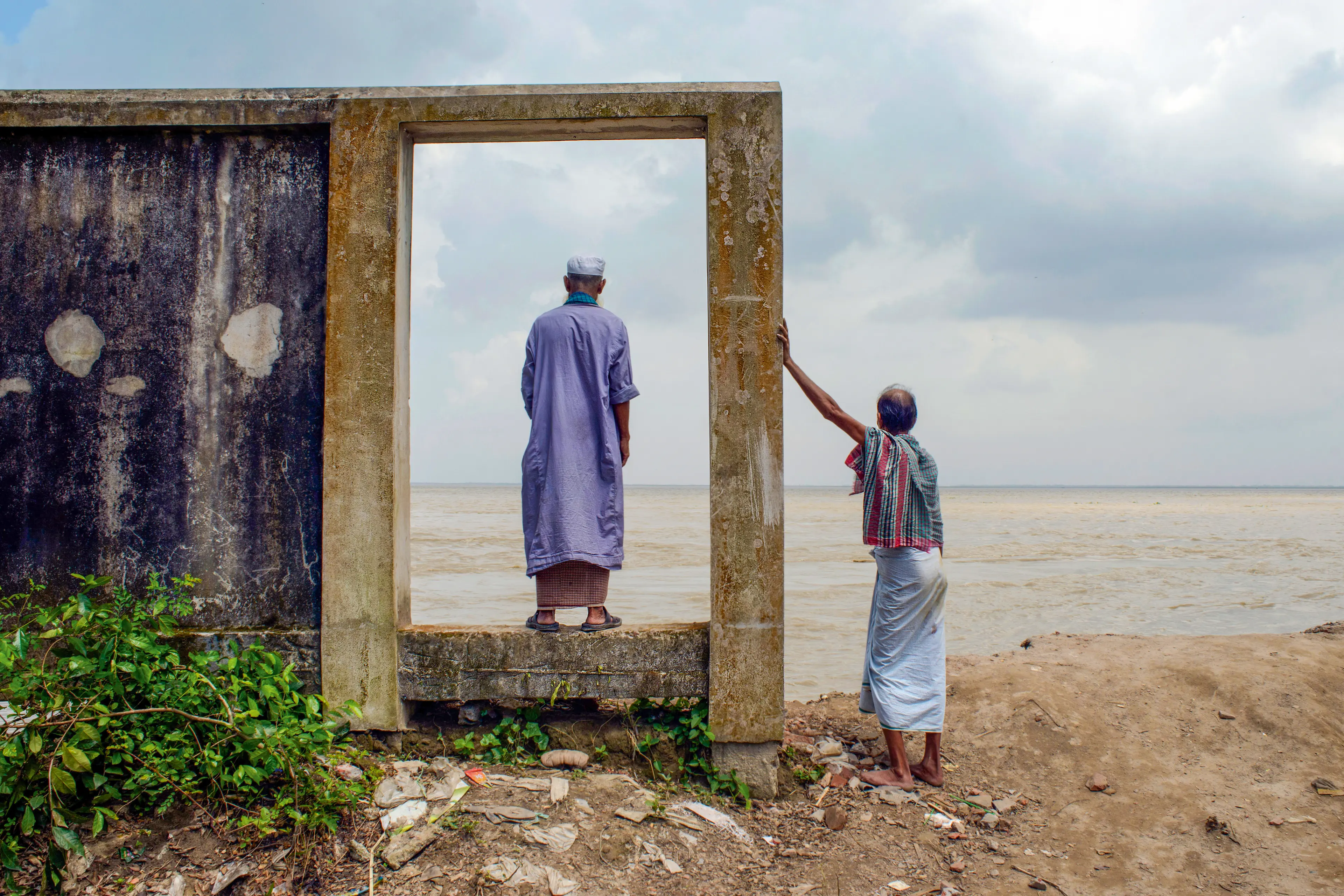
Too often, the systems shaping our relationship with people and nature, and how we approach conservation, are shaped by old assumptions and narrow perspectives. Indigenous knowledge, local experience and diverse ways of knowing are excluded from the conversations that shape decisions, leaving approaches that are no longer fit for the future.
Our story
1961
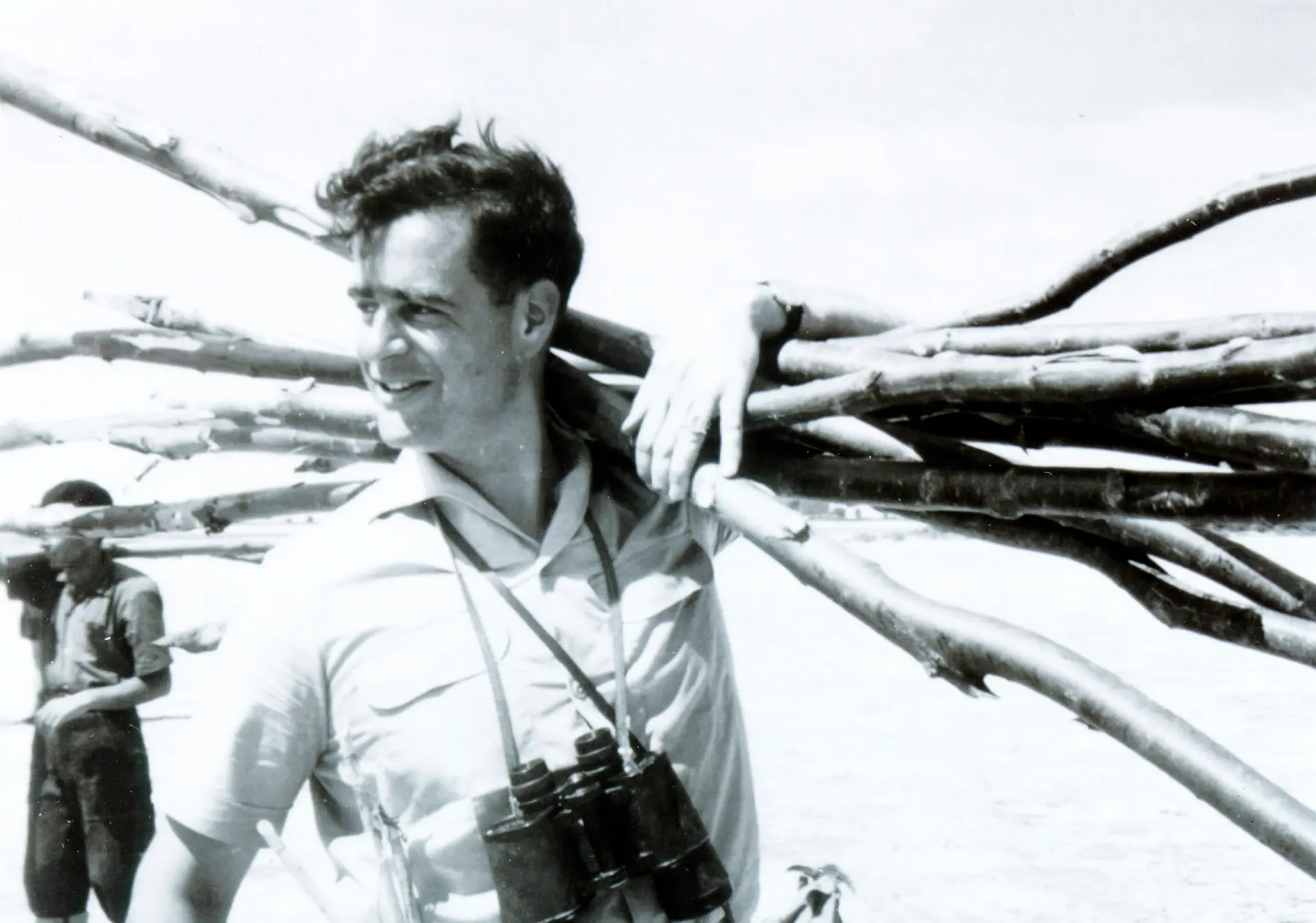
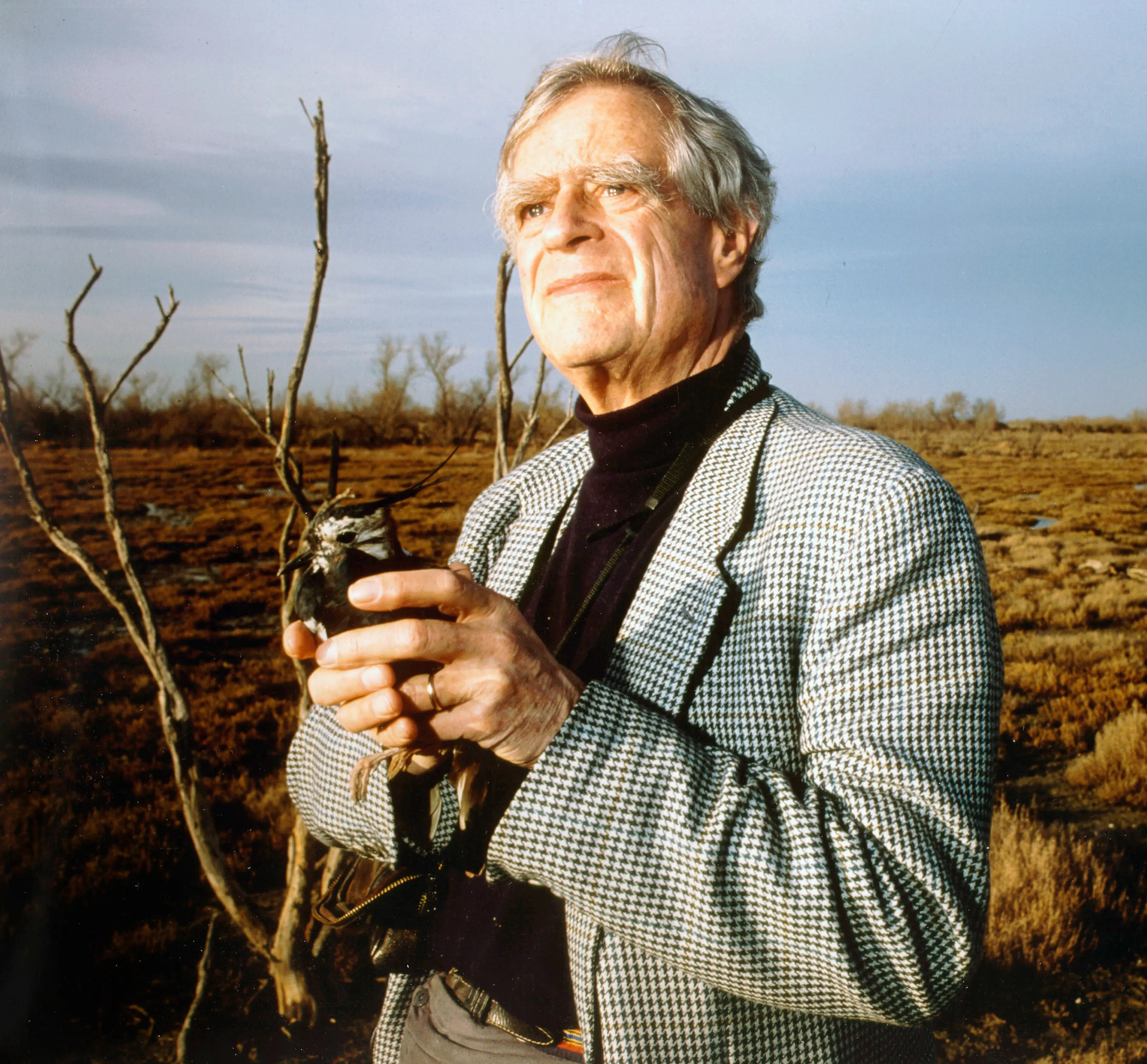
Dr Luc Hoffmann co-founded WWF
The Luc Hoffmann Institute was named after Dr Luc Hoffmann who helped pioneer the modern conservation movement. He co-founded the World Wildlife Fund (WWF, now known as the World Wide Fund for Nature) and was WWF International’s first Vice-President from 1961 to 1988.
1994
Dr Hoffmann created the MAVA Foundation
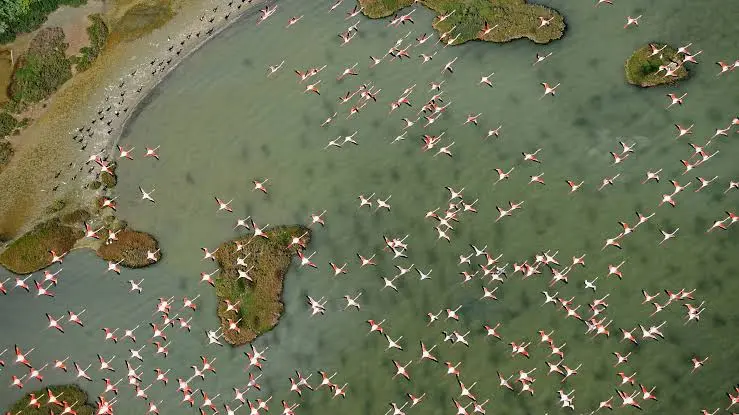
In 1994, Dr Hoffmann created the MAVA Foundation to help safeguard iconic places like the Camargue and Doñana. MAVA grew into a professional foundation, becoming a key funder of global conservation efforts.
2012
The Luc Hoffmann Institute was formed
The Institute worked as a semi-autonomous entity within WWF, focused on enabling collaboration between disciplines and committed to doing conservation science differently.
2013
A scientific advisory board was established
Dame Alison Richard became its first chair, setting the pattern of inviting challenge from outside the sector.
2015
Chris Hails became ad-interim director
Chris Hails, ad-interim director from June 2015 to February 2016, was succeeded by Jonathan Hutton who served as director until his appointment to the post of Executive Director of Global Conservation Impact at WWF-International.
2021
Melanie Ryan was appointed director
The Institute sharpened its method, combining systems thinking with co-production.

2023
The Institute became Unearthodox
An independent entity with seed funding from Fondation Hans Wilsdorf, and a board presided over by Frederic Hoffmann.
2024
Regenerative Futures launched
A multi-year programme exploring what regeneration means across geographies, cultures, and lived realities.
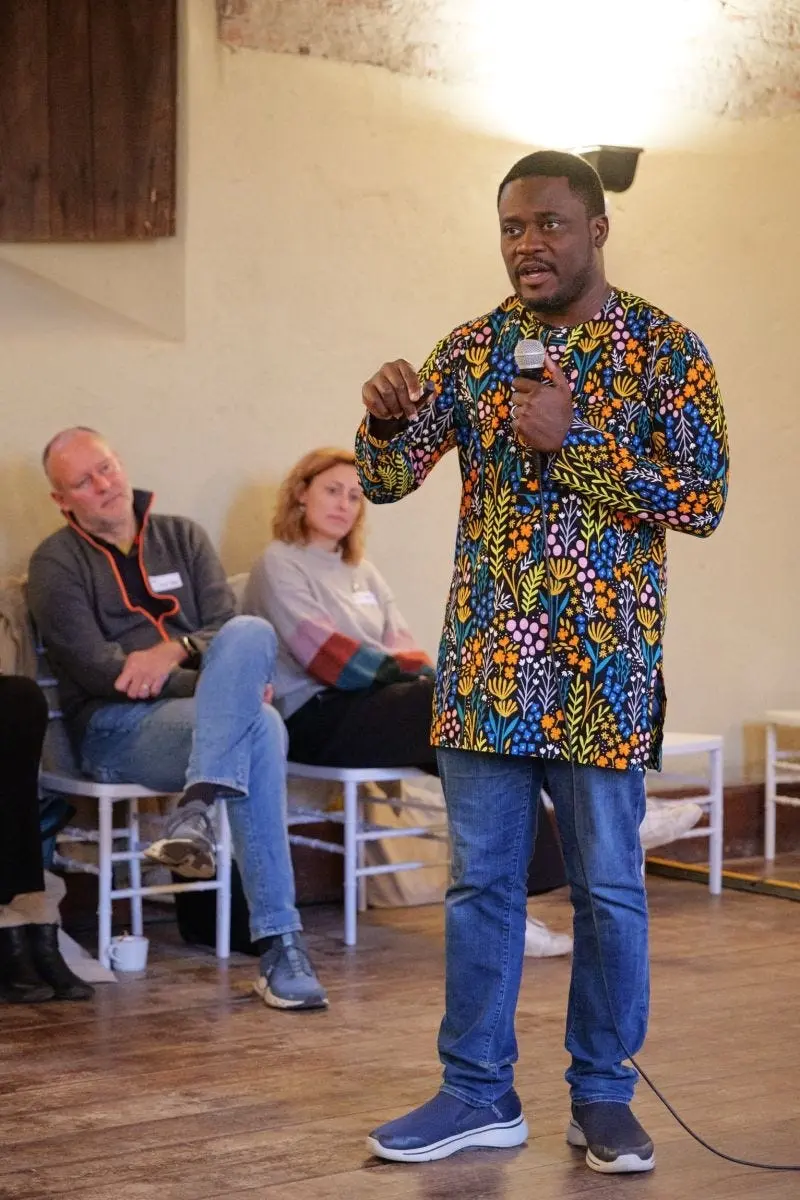
Our team and board
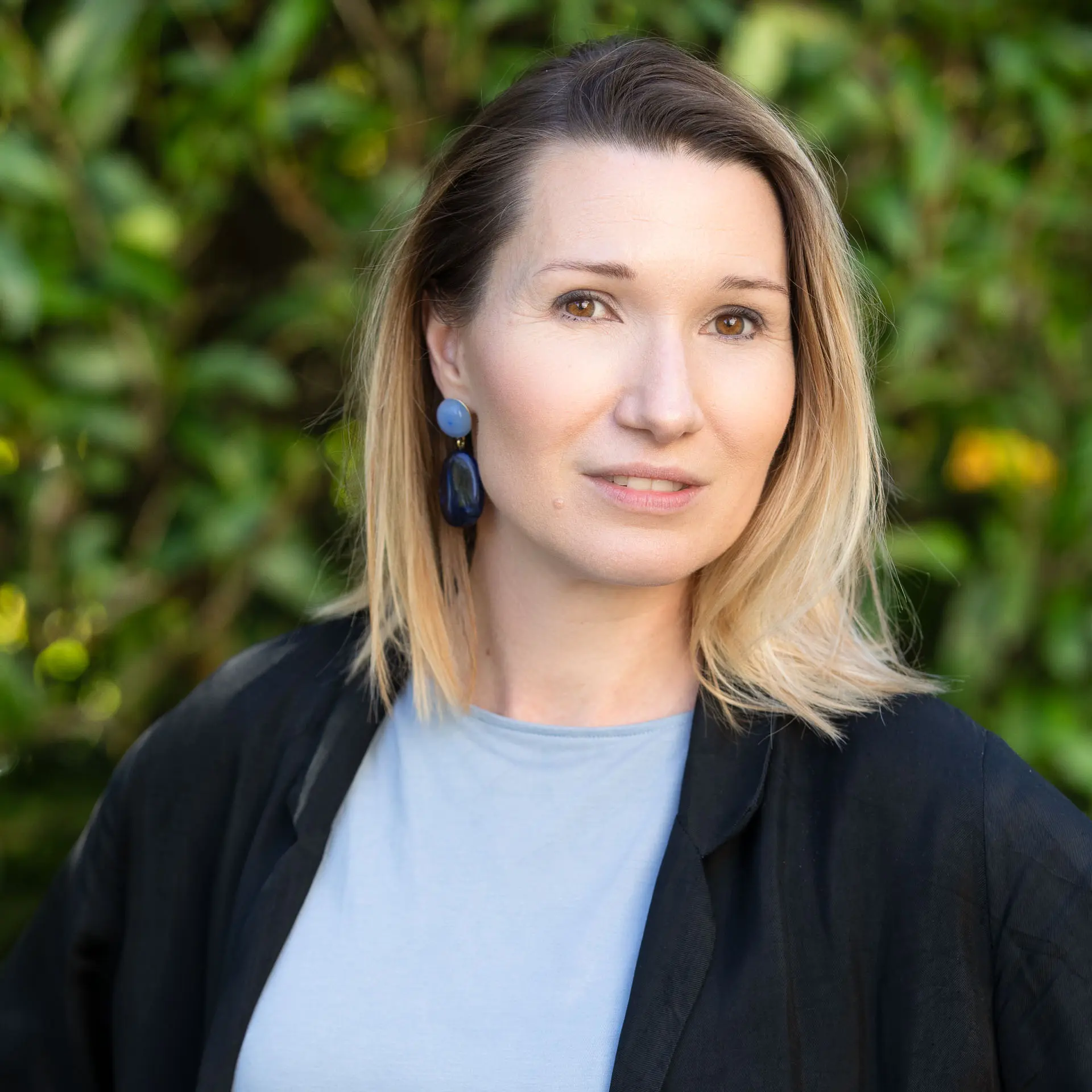
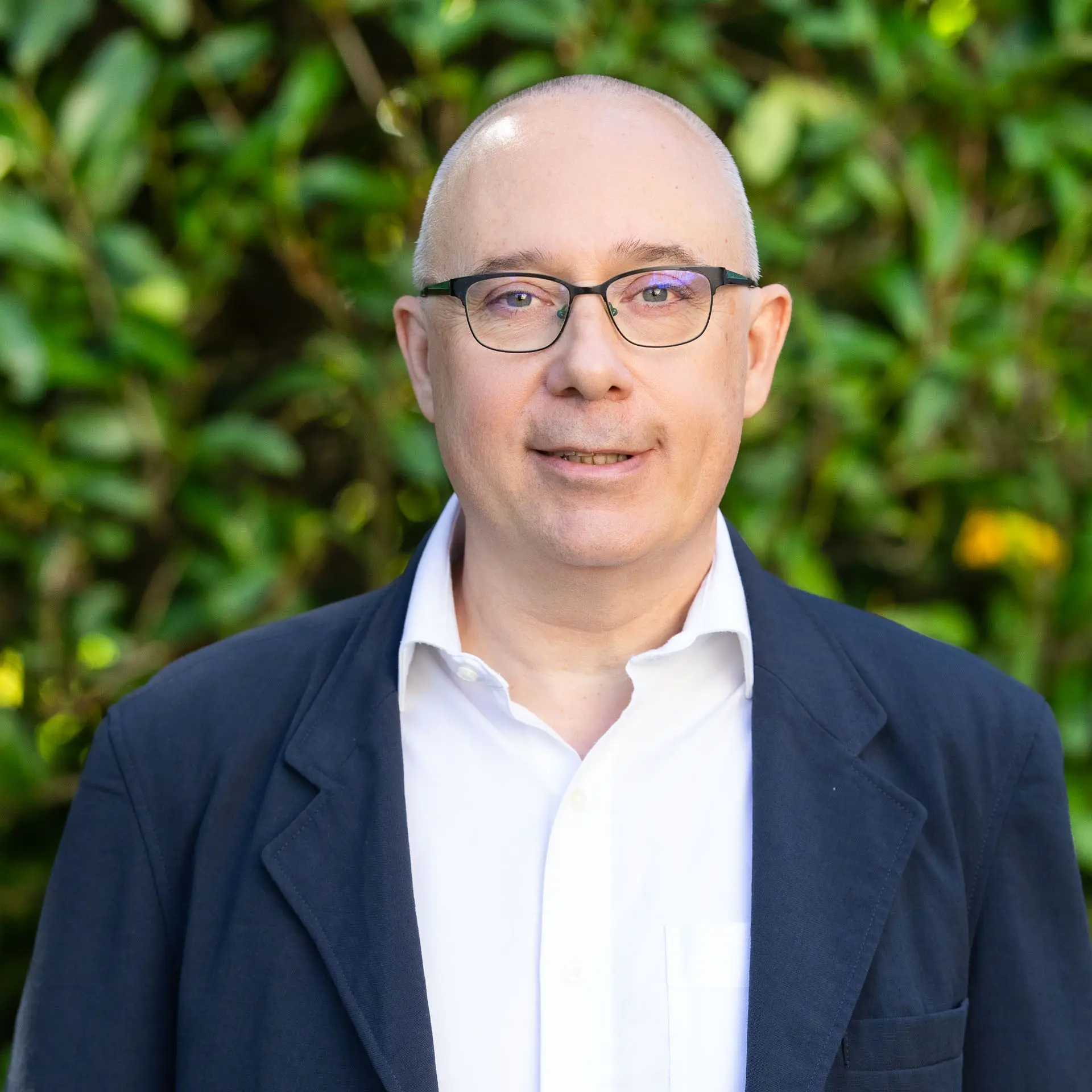
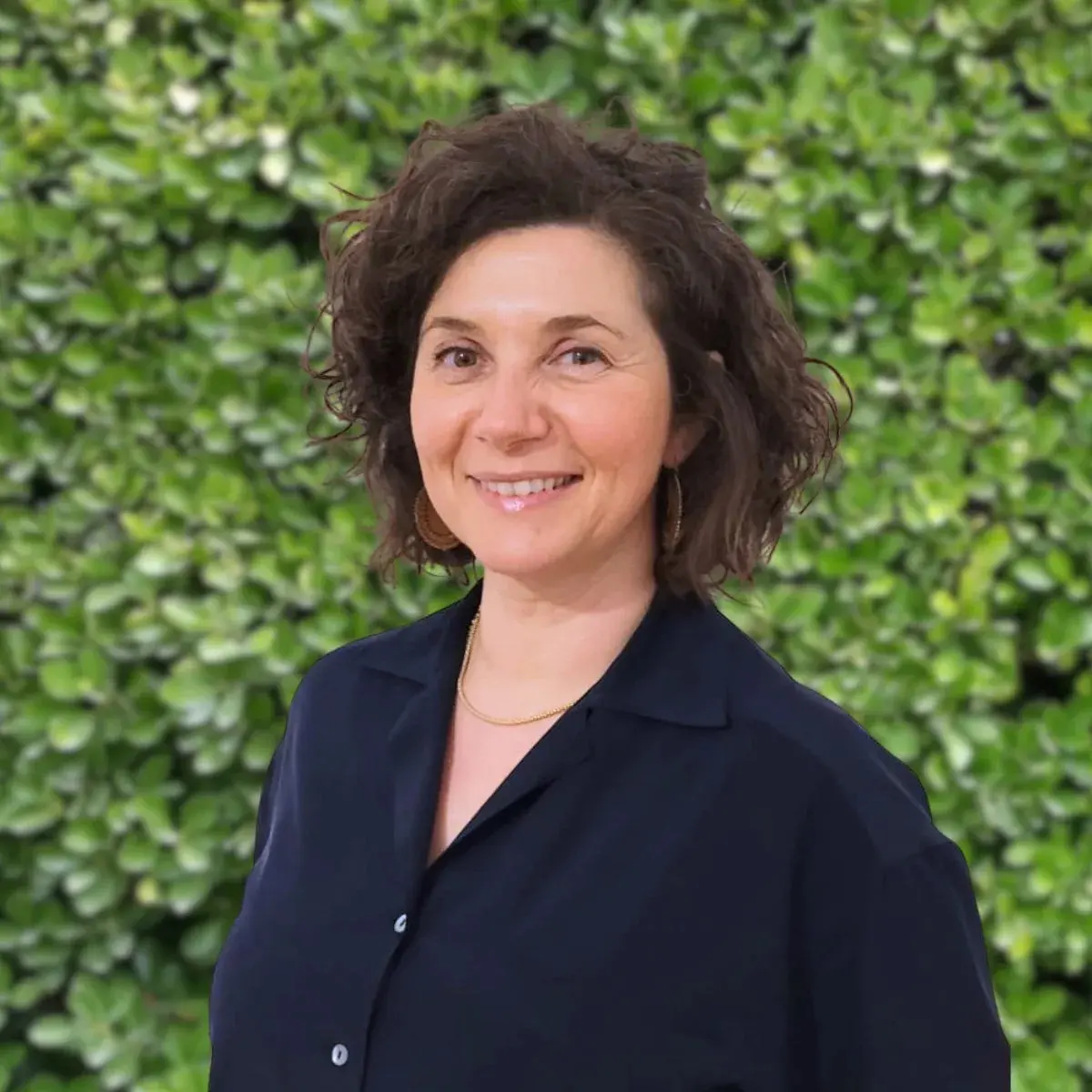
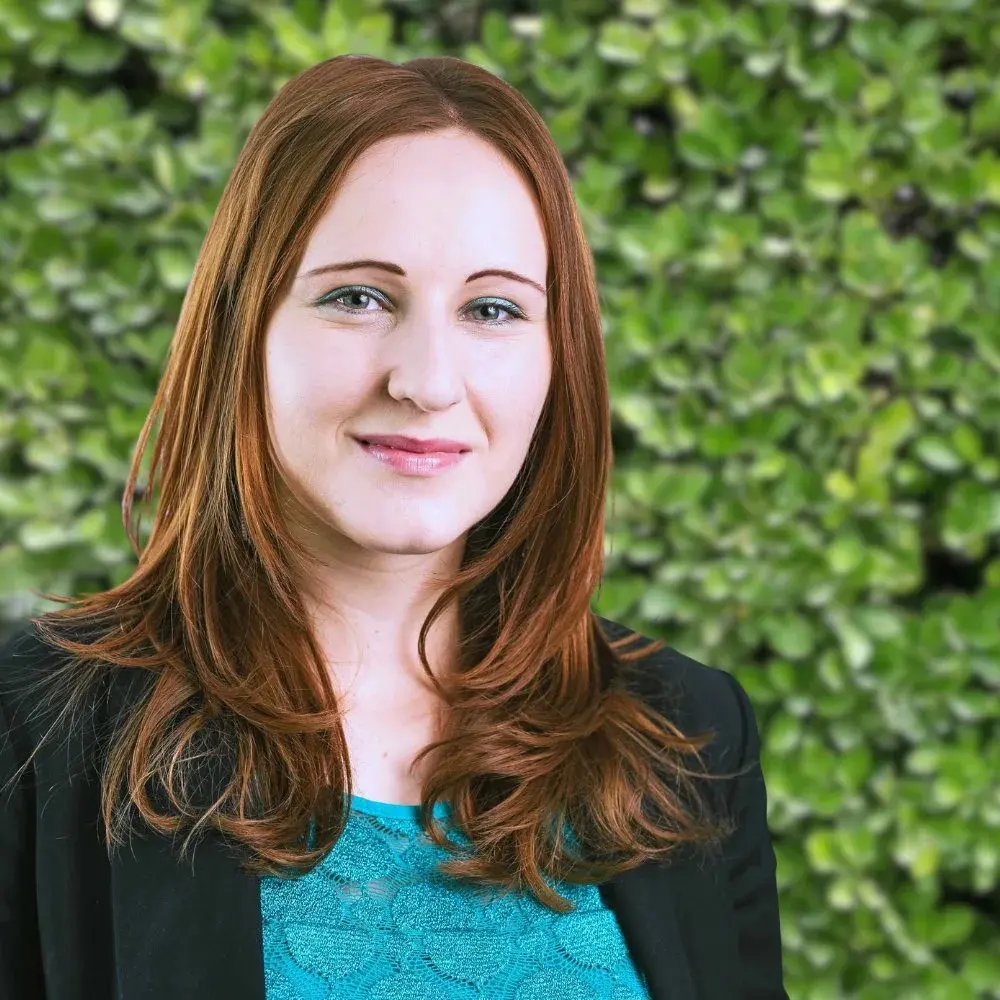
Impact reports
View all