Wakanyi Hoffman
Exploration Co-Lab 2025
Innovator
- Programmes
- Contact
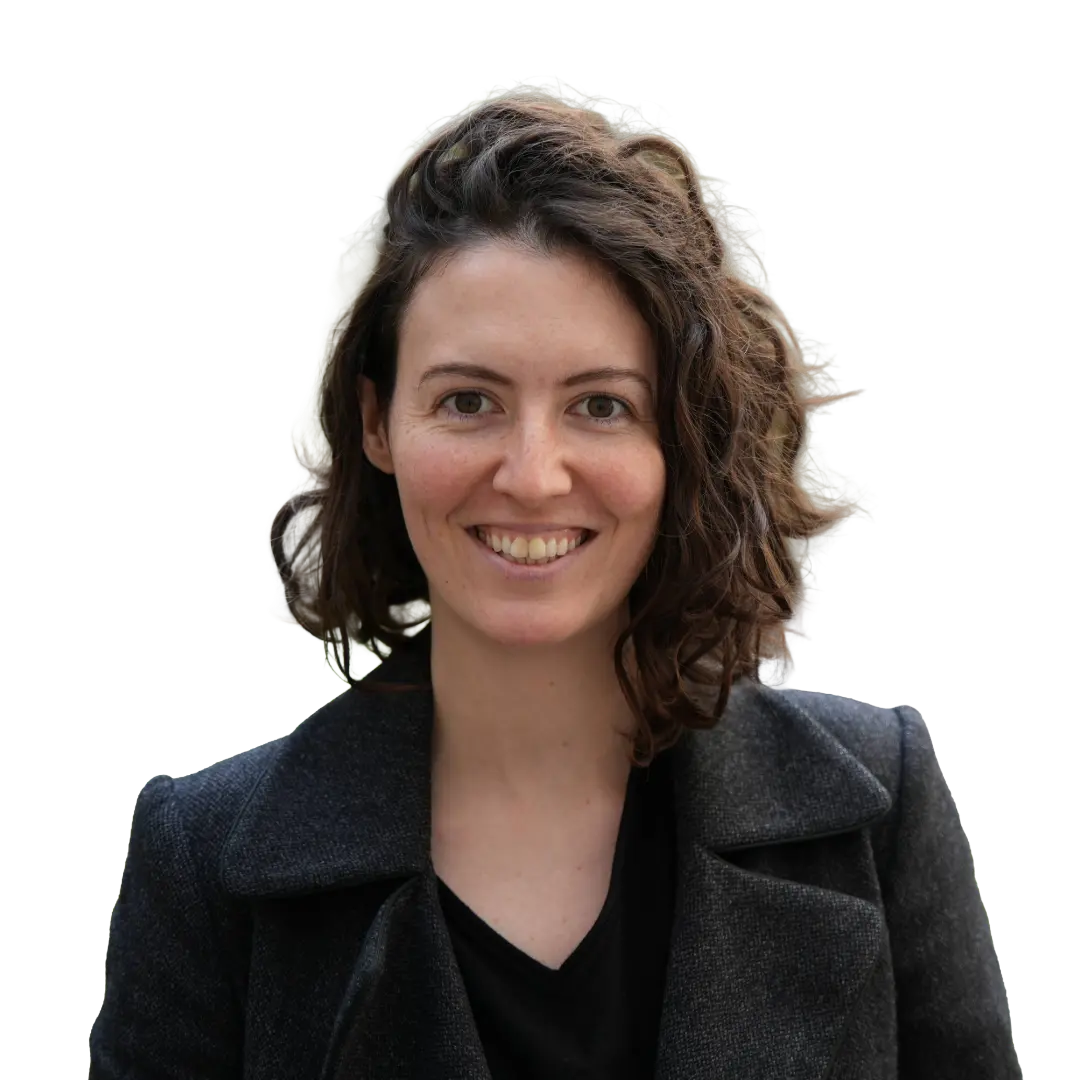
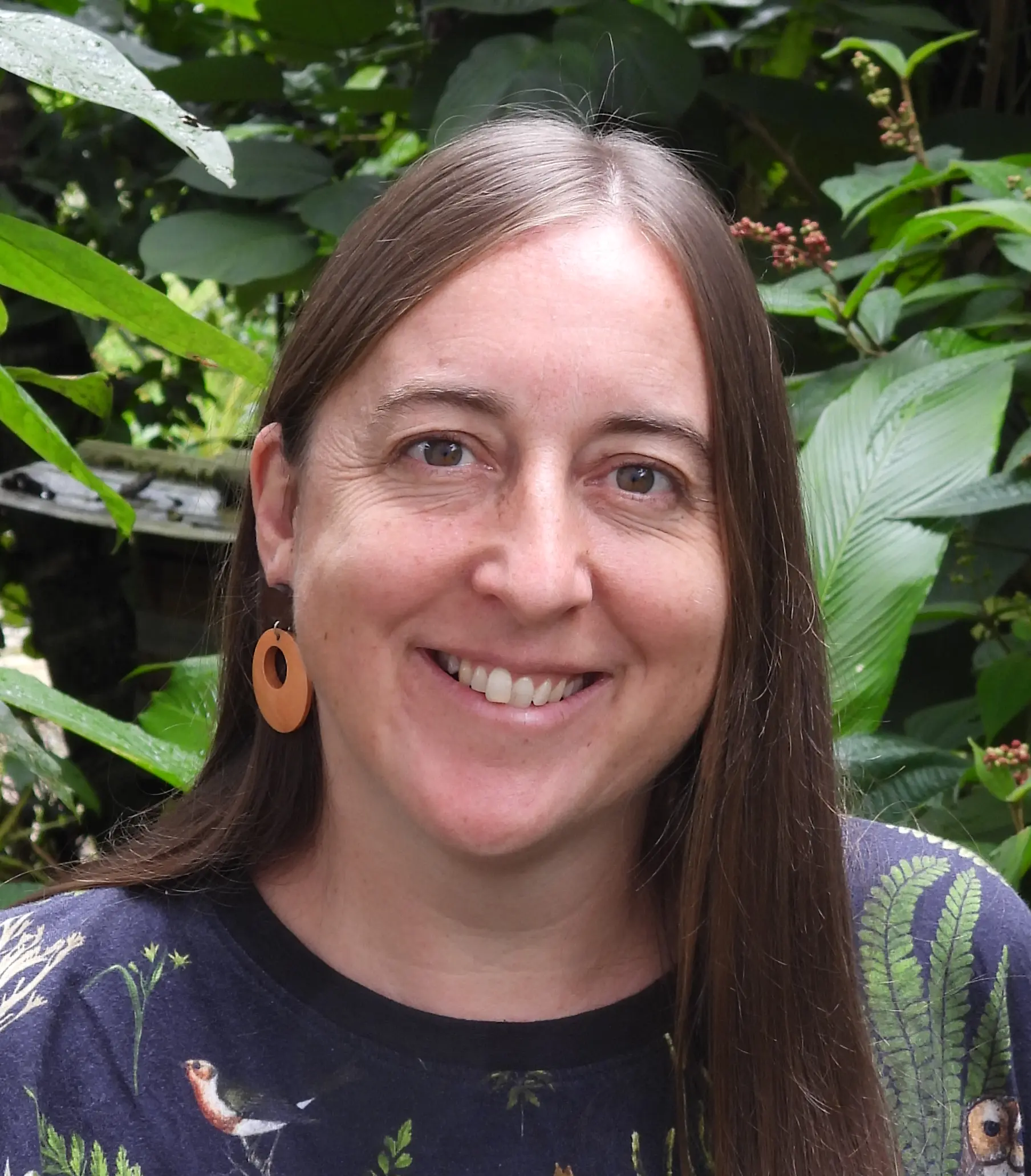
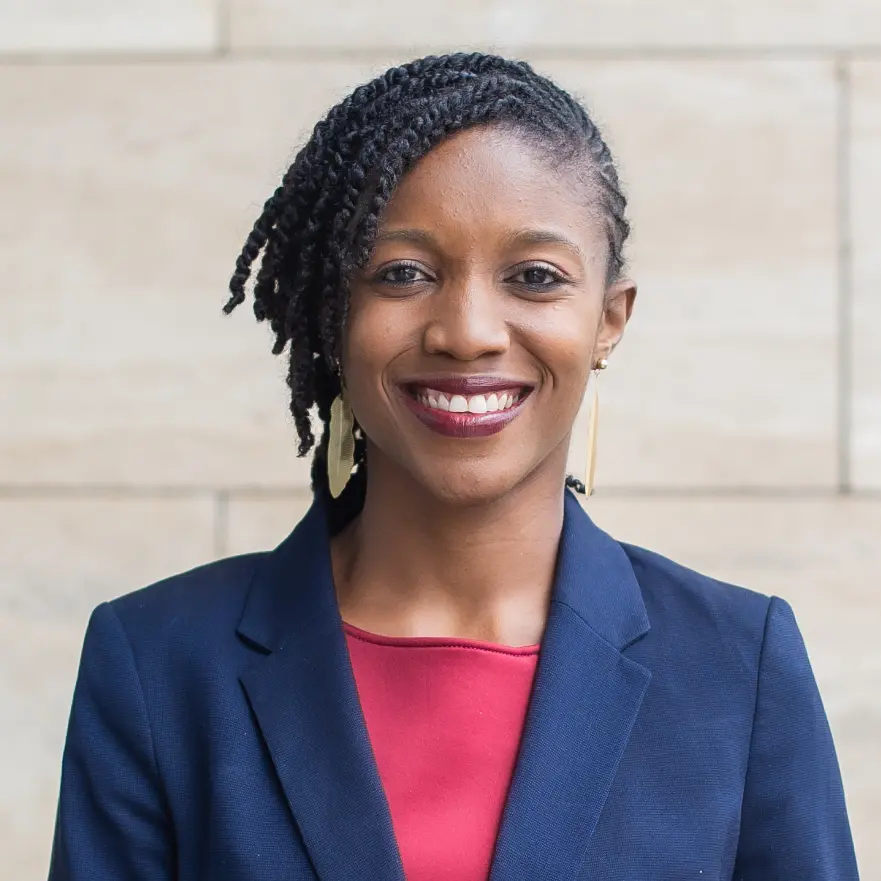
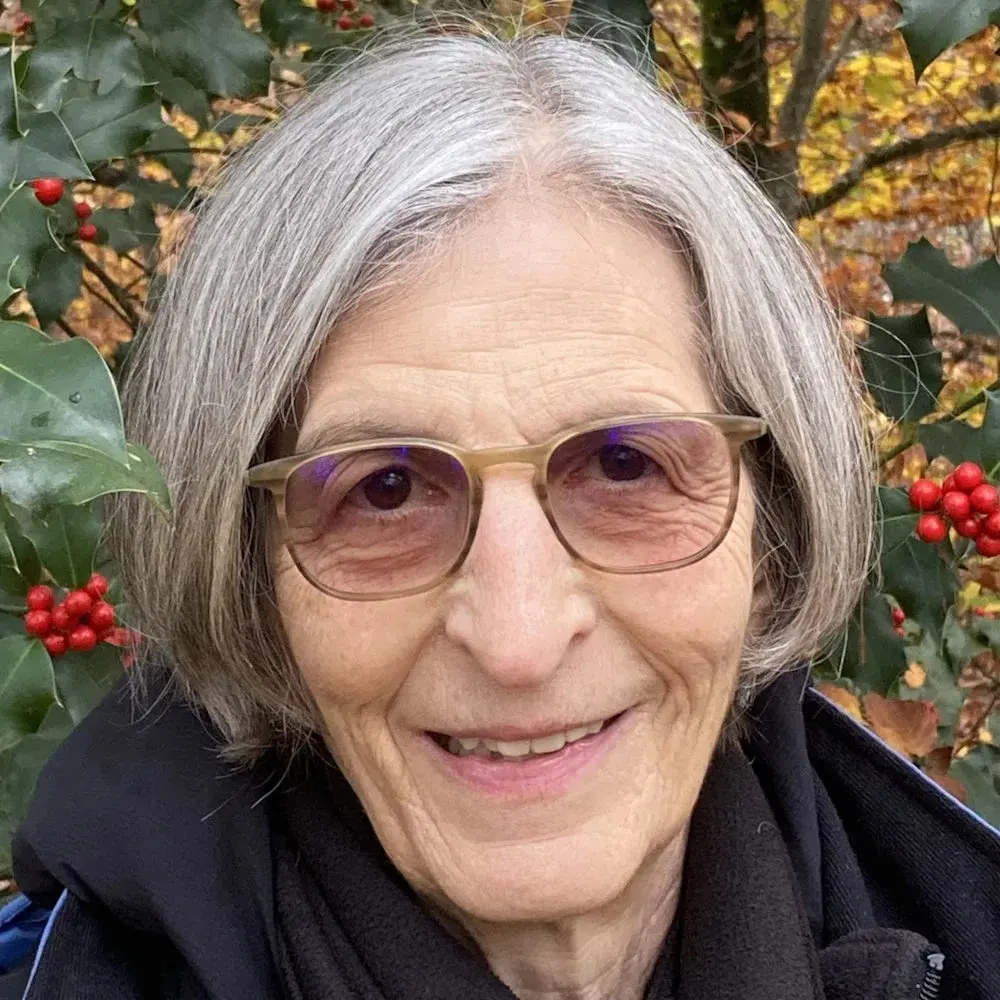
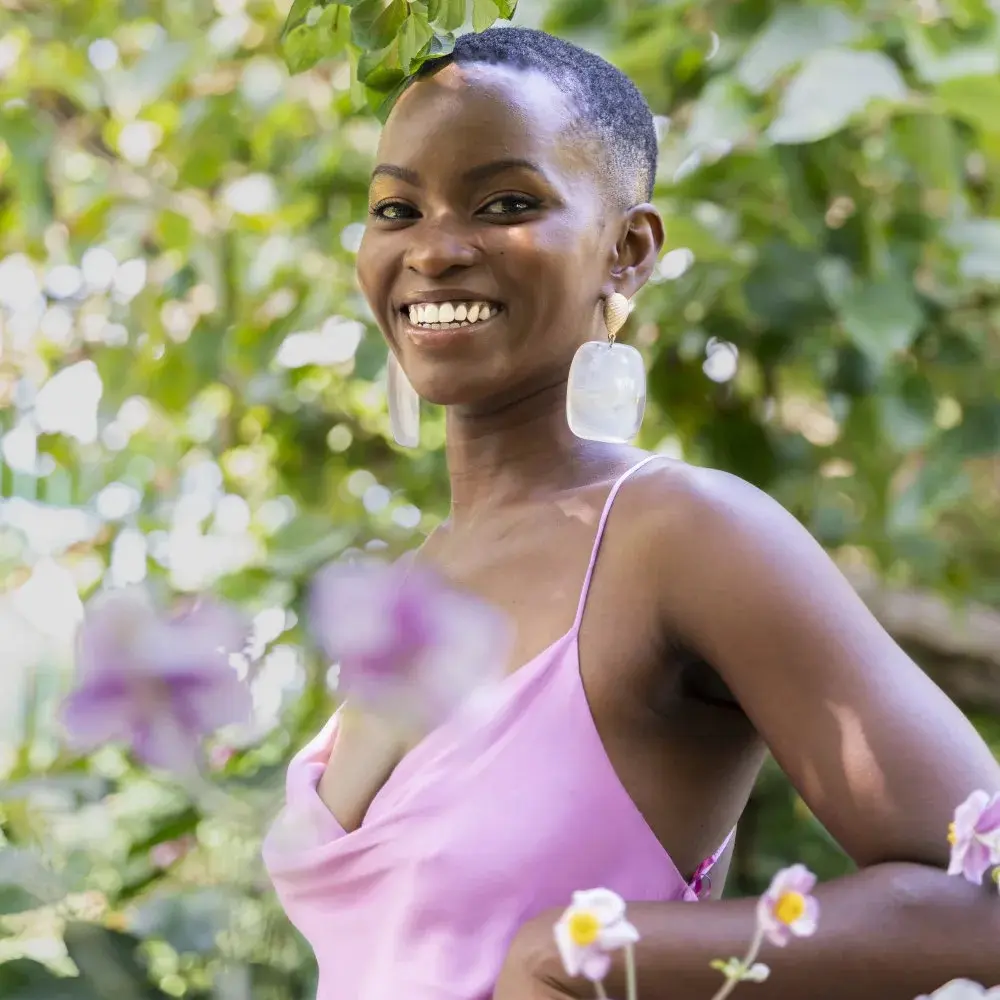
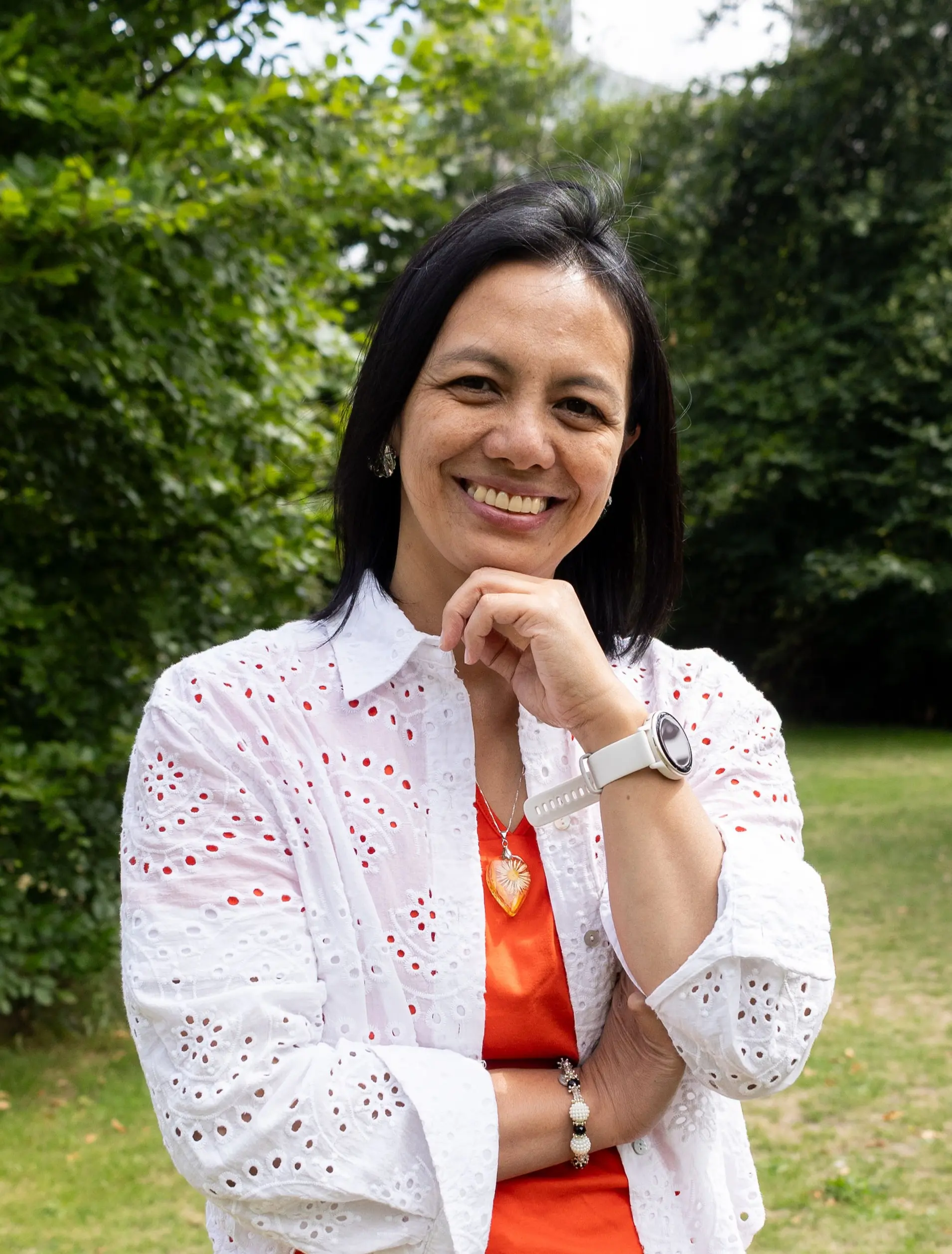
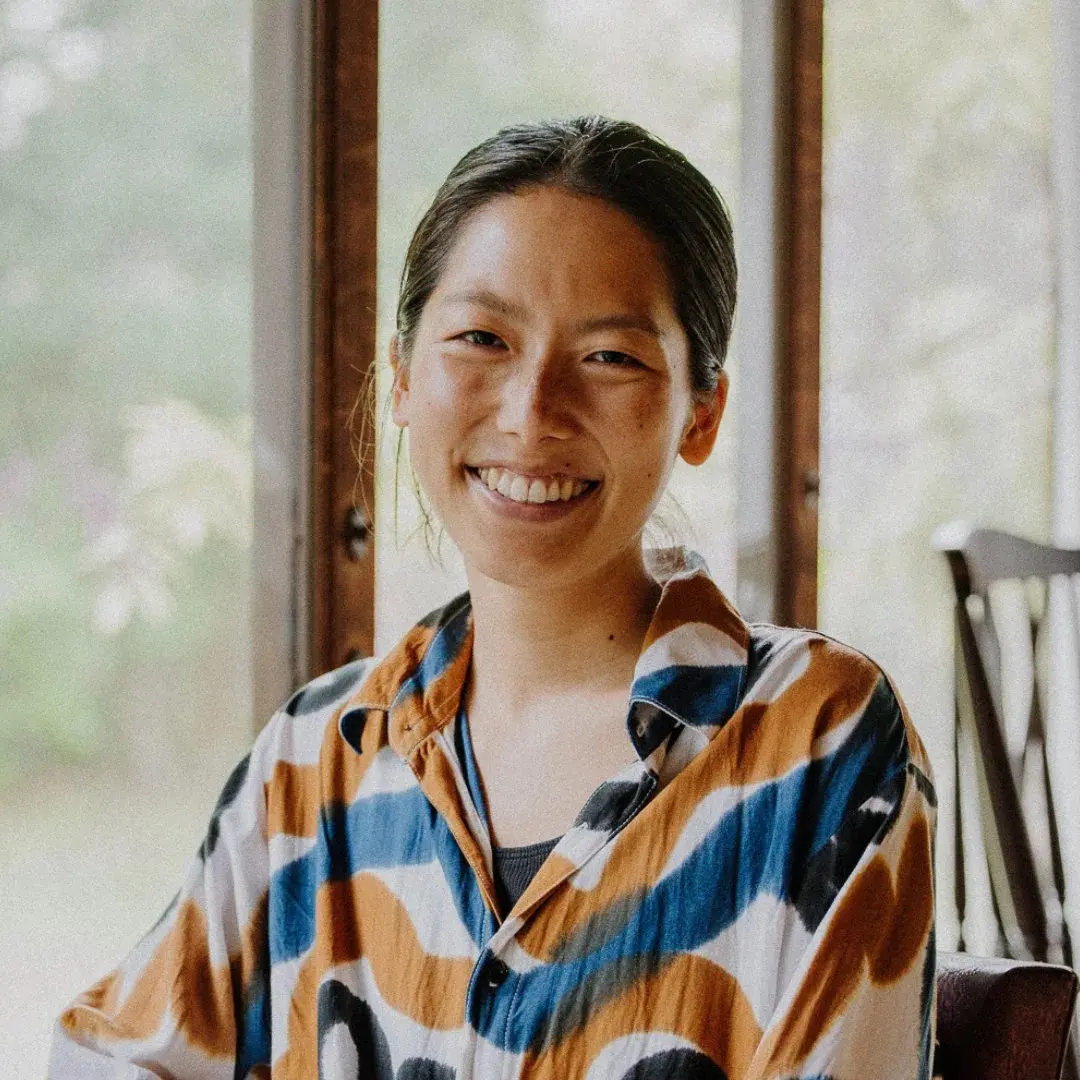
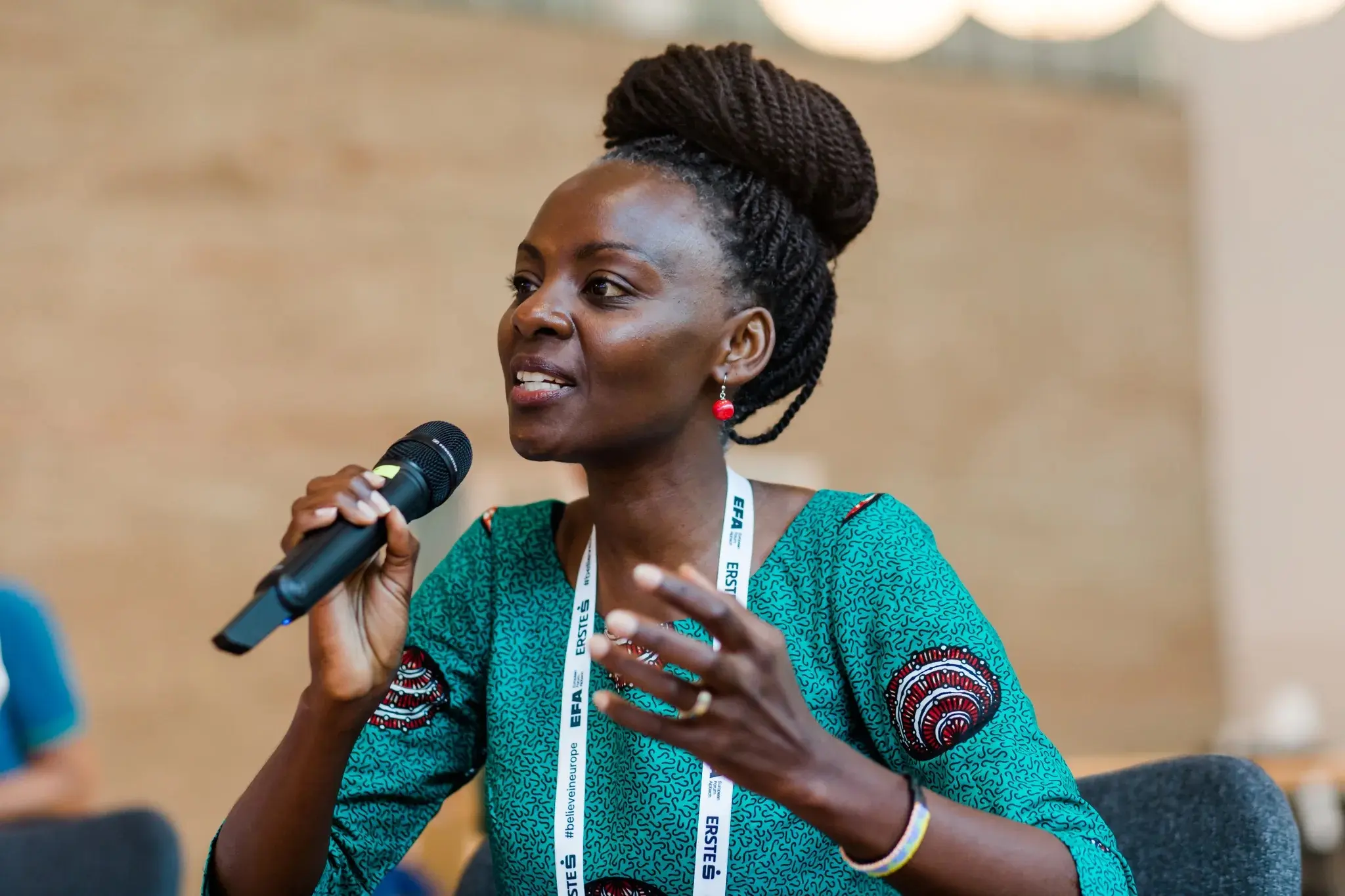
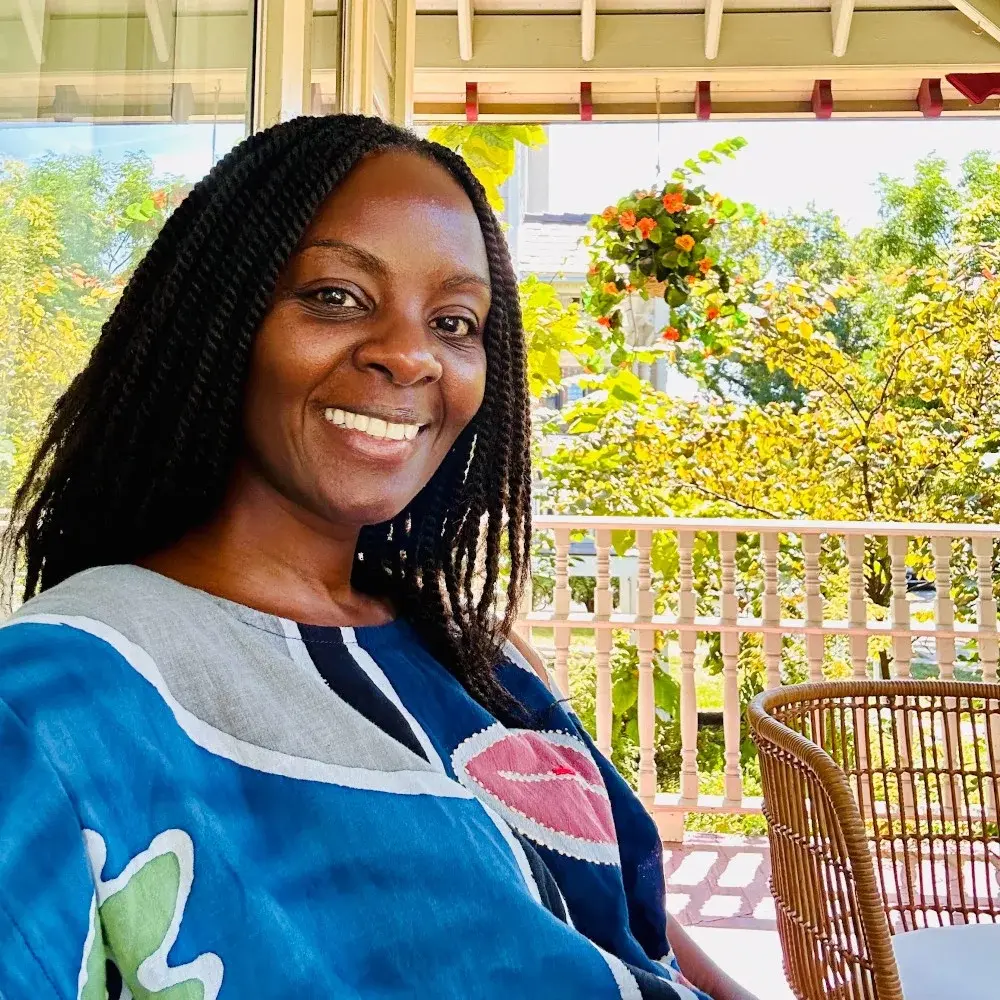
Wakanyi Hoffman is a public speaker, author and indigenous knowledge scholar. She is currently the lead PhD researcher on Sustainable African AI Systems at Utrecht University’s Inclusive AI Lab under the Centre for Global Challenges (UGlobe). She is working on the intersection of Ubuntu ethics and sustainable practices within the design and adaptation of AI tools. Wakanyi is the founder of the African Folktales Project, a digital database of folktales from Africa which contain indigenous knowledge that contributes to solutions for the challenges of sustainability and environmental conservation. She founded this project as a response to the lack of African stories and indigenous knowledge in formal school systems in Africa. Wakanyi has a background in media and communications and a Masters in Development Education and Global Learning from University College London (UCL). She has also authored several children’s books and speaks on the topic of Ubuntu African philosophy as a conception of human flourishing. Wakanyi has lived and worked in several countries and currently lives in The Netherlands.
Initiative: The African Folktales Project
The African Folktales Project (AFP) is a rich resource of indigenous wisdom and knowledge passed down as stories from the first human civilisations in Africa to the present. The AFP is founded on the Ubuntu philosophy that promotes the notion that human beings are part of the evolutionary ecology and that we are future ancestors and exist to serve as custodians of knowledge about our natural world. This project is a continuous dialogue about how our individual choices today will impact tomorrow's civilisations' survival on our shared planet. A careful selection of courses is offered using an African Indigenous Knowledge Education curriculum designed to provide holistic solutions to the challenges of achieving sustainable development goals (SDGs). The AFP curriculum uses oral storytelling as the pedagogical approach to passing down this knowledge. The curriculum uses traditional African stories re-imagined to inspire 21st-century learners and educators to envision a future where all world citizens work together to promote sustainable development and protect our natural landscapes.