Beyond Tourism in Africa
Identified new approaches to providing communities with income and funding conservation outside of tourism. (2019-2023)
How can local communities continue to benefit from wildlife if neither tourism nor trophy hunting is a viable option?
Over the past 30 years, tourism has funded conservation activities in many countries, especially in the wildlife-rich countries in Africa. Photographic tourism and trophy hunting have provided significant benefits to rural communities that share their land with wildlife.
However, all forms of tourism are highly vulnerable to social, economic or political instability and changes in the international market. The shock to the tourism sector caused by the COVID-19 pandemic has further highlighted the vulnerability of a conservation model based primarily on tourism.
To prepare for a future in which communities might no longer be able to derive benefits from tourism, several partners seek to identify, incubate and promote innovative ways of providing communities with income from wildlife, while managing their natural resources sustainably and improving their collective wellbeing.
For this initiative, the Luc Hoffmann Institute partnered with the World Wide Fund for Nature and the African Leadership University's School of Wildlife Conservation.
Beyond Tourism in Africa
The Beyond Tourism in Africa innovation challenge, a partnership with the African Leadership University’s (ALU) School of Wildlife Conservation and WWF’s Regional Office for Africa, attracted more than 300 entries from across Africa and around the world. Fifteen innovative initiatives were selected to build their ideas into viable, investment-ready businesses.
Programme timeline
January 2023
Acceleration
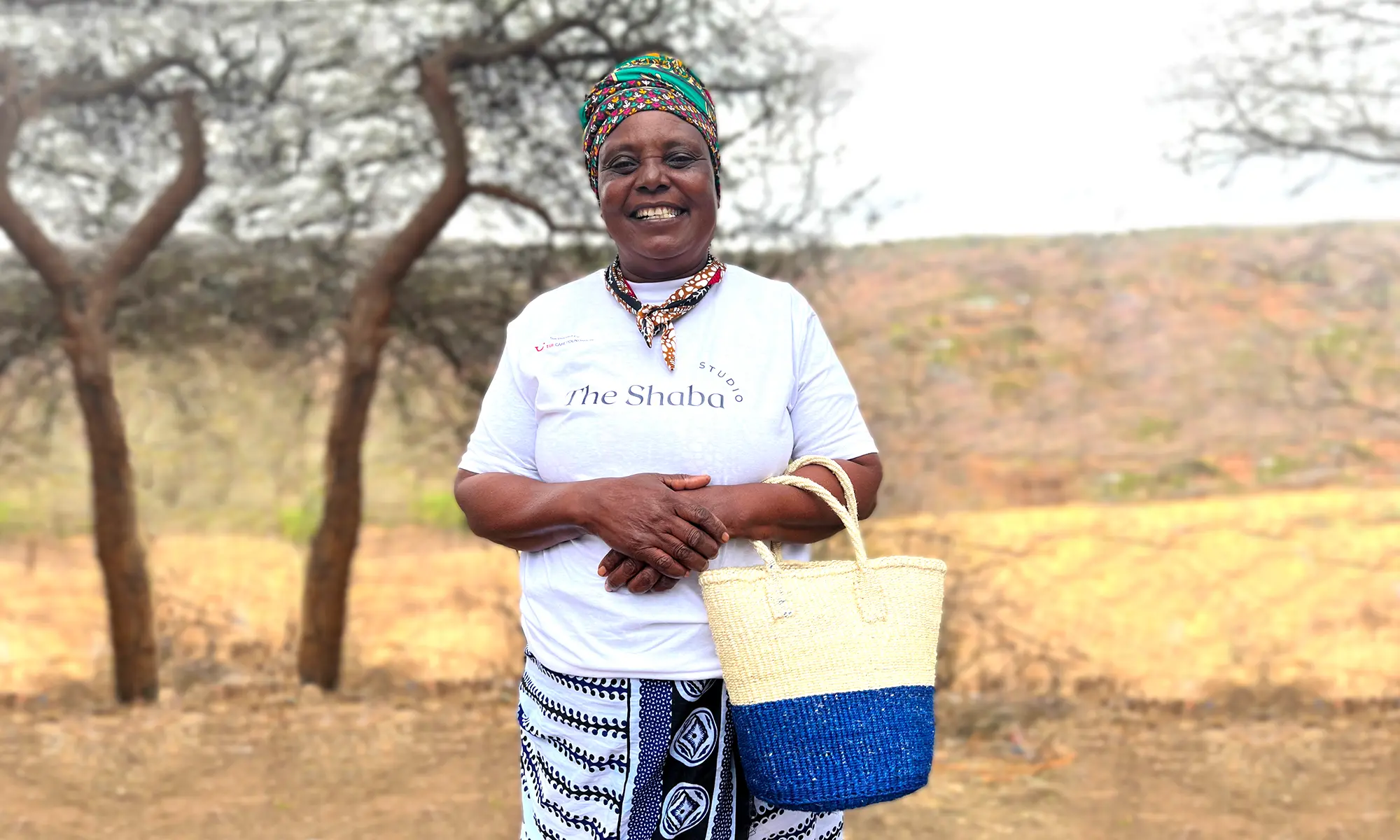
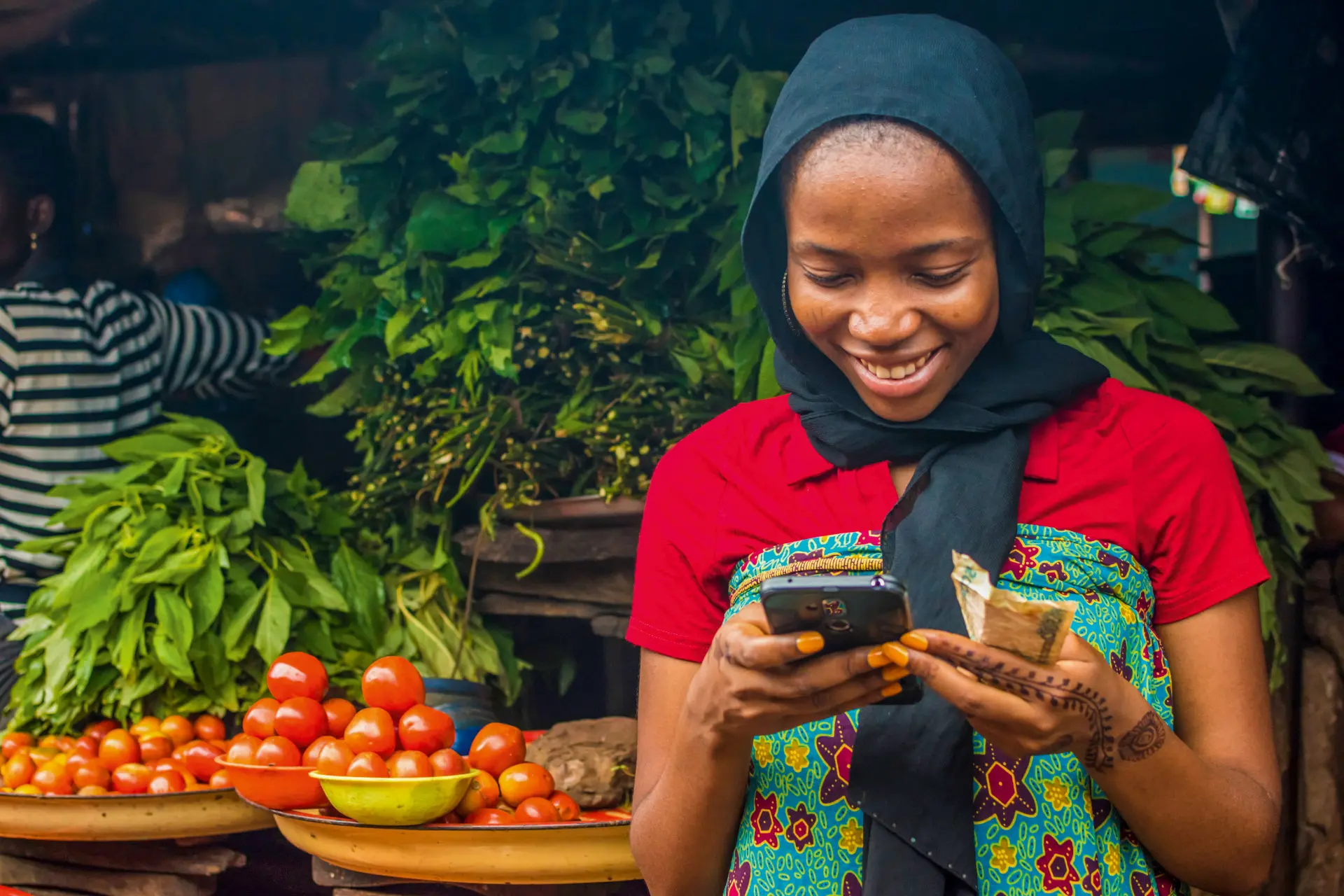
Exciting news from The Shaba, which officially launched its business in November 2021. Three hundred and fifty artisans living in five rural communities in Kenya can now access a digital market platform to sell their products.
December 2021
Acceleration
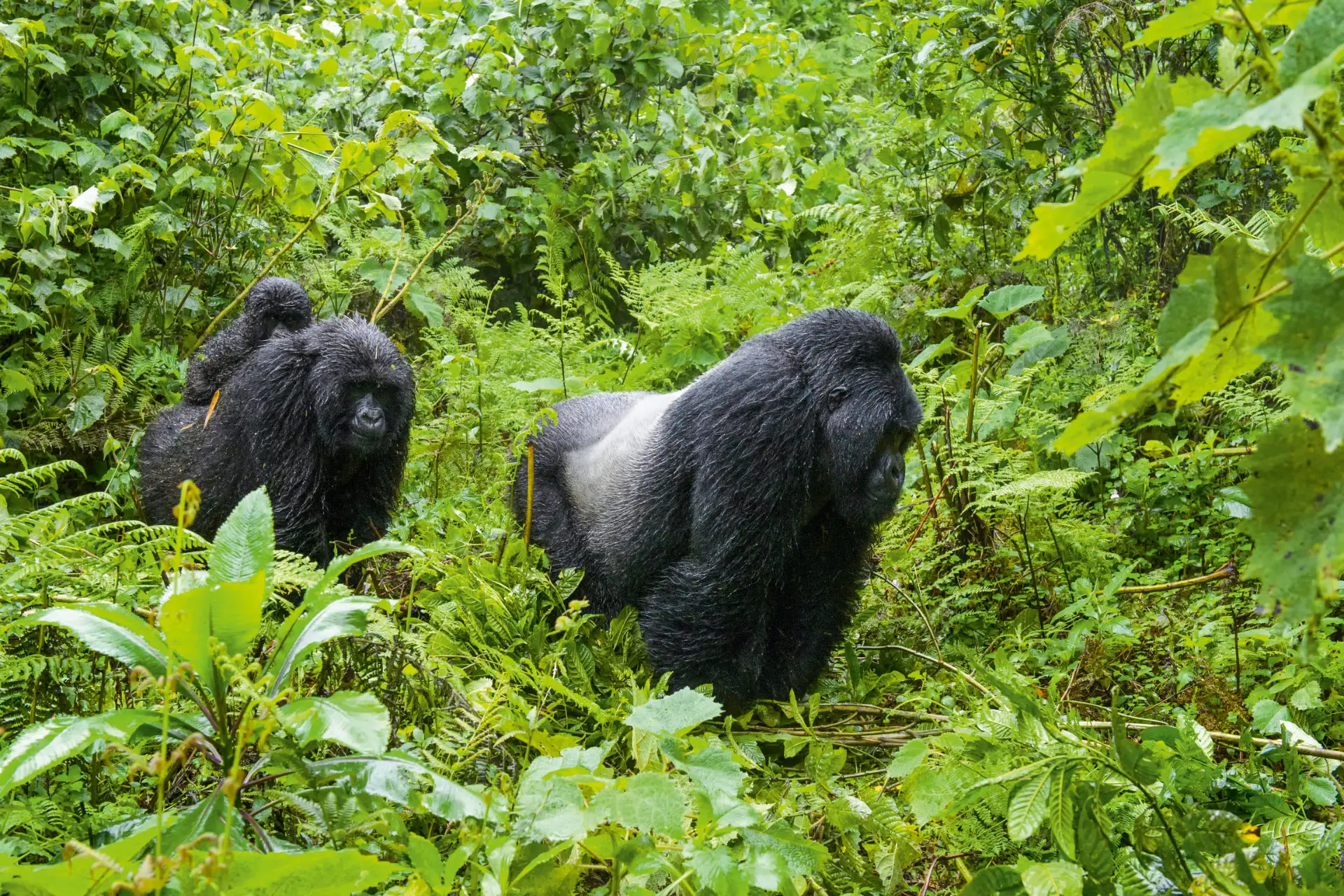
Home of the Gorillas launches its business! Users around the world are able to download a subscription-based app to interact with mountain gorillas. This enables them to generate a sustainable, non-trekking revenue stream for gorilla conservation.
11 December 2020
Acceleration
A total of 15 winners of the innovation challenge are announced after a rigorous judging process involving a review by a diverse panel.
15 October 2020
Acceleration
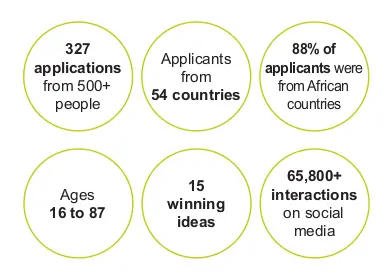
More than 300 applications were submitted to the innovation challenge by individuals and teams from across the continent of Africa and around the world. There were 54 nationalities represented (a majority of them in Africa), and a vast age range from 16 to 87.
10 September 2020
Acceleration
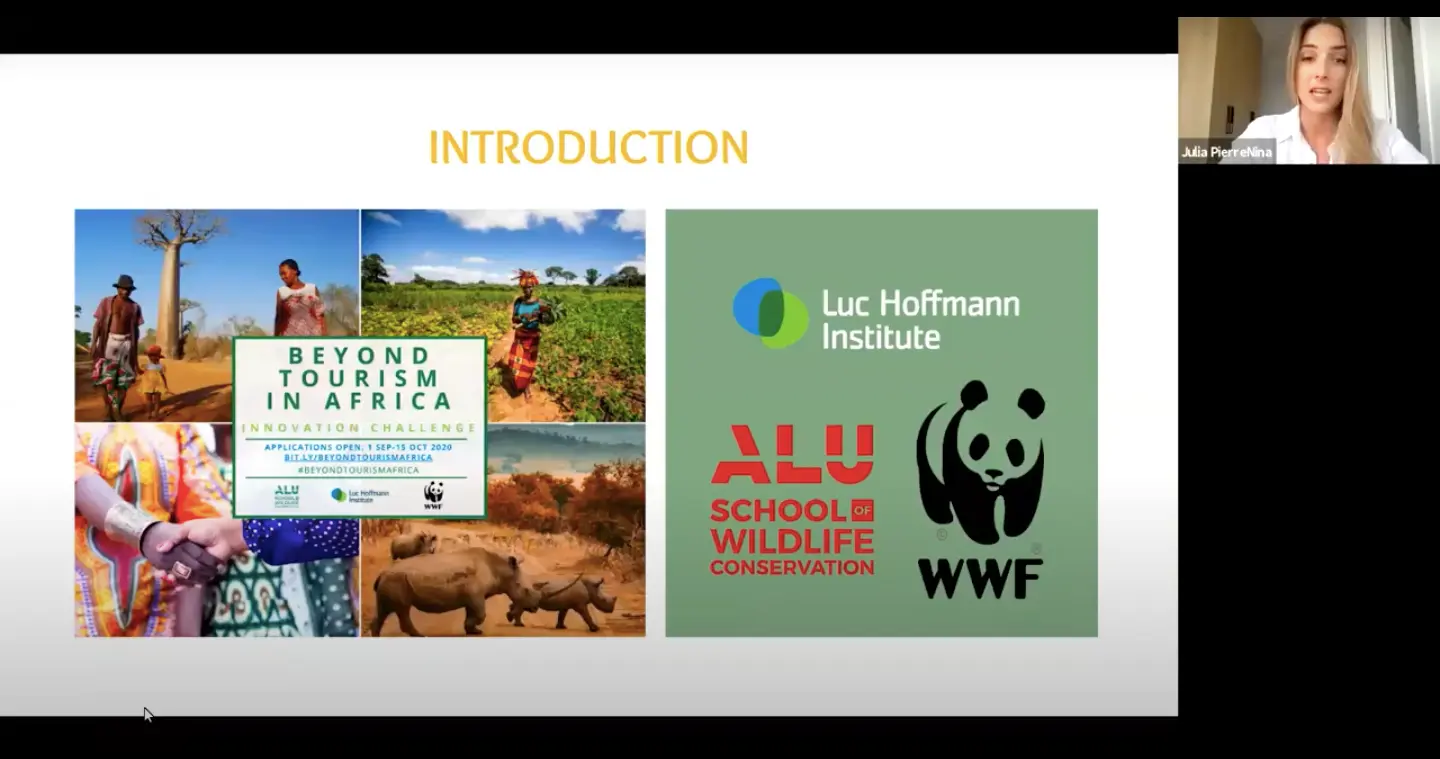
‘GOING BEYOND TOURISM IN AFRICA: Diversifying Community Livelihoods from Wildlife’ webinar is held, featuring an informational session about the innovation challenge and live Q&A, as well as short inspirational talks by Alice Ruhweza (Director, WWF Regional Office for Africa), Gautam Shah (Founder, Internet of Elephants) and Fred Swaniker (CEO and Founder of the African Leadership Group).
September 2020
Acceleration
The Luc Hoffmann Institute, the African Leadership University’s School of Wildlife Conservation and the WWF Regional Office for Africa launch the ‘Beyond Tourism Innovation Challenge’ to reach out to new thinkers, tangential sectors and especially young innovators.
January 2020
Incubation
The Luc Hoffmann Institute publishes an analysis of over 130 incentives for community-based conservation.
October 2019
Incubation
The Luc Hoffmann Institute publishes a thought piece by WWF-Norway’s Melissa de Kock about her work with the institute on finding and nurturing future business models for community-based conservation, with an initial focus on Africa.
September 2019
Incubation
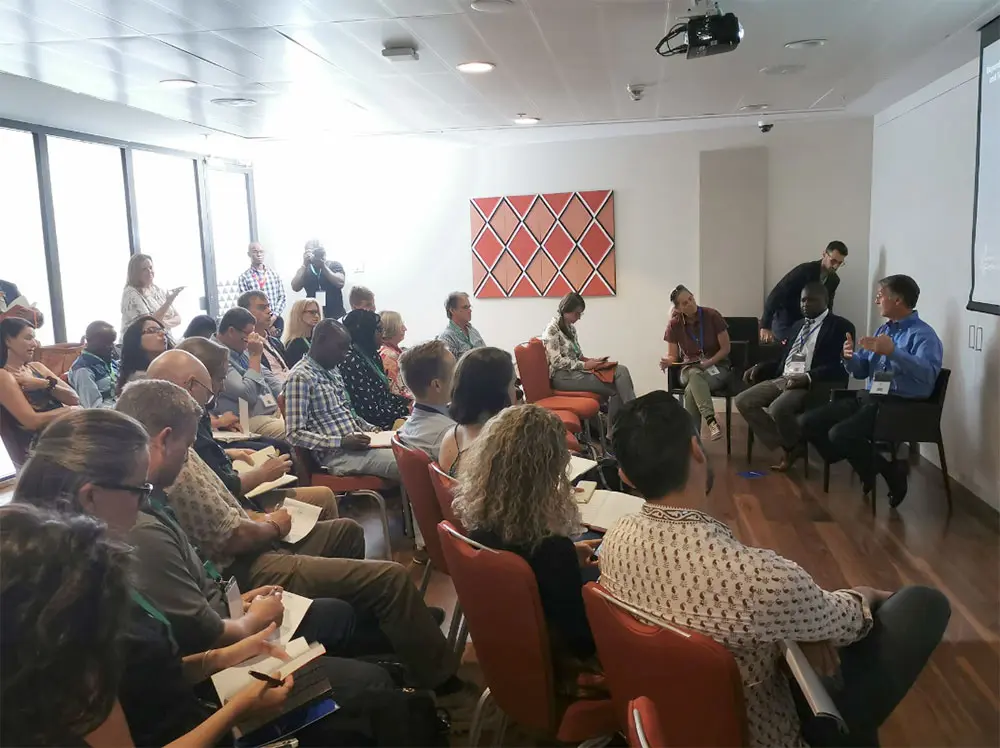
The Luc Hoffmann Institute and WWF-Norway engage with and challenge innovators directly at the Business of Conservation Conference in Africa. Ideas and leads are gathered to include in an upcoming analysis publication.
May 2019
Ideation
The Luc Hoffmann Institute and WWF-Norway commission a study by the International Institute for Environment and Development (IIED) and the International Union for the Conservation of Nature’s Sustainable Use and Livelihoods (IUCN SULi) network to explore models for supporting wildlife conservation on community lands with a focus on southern and eastern Africa.

March 2019
Ideation
Melissa de Kock, Senior Advisor at WWF-Norway for Conservation, Climate and Communities, suggests that the Luc Hoffmann Institute incubate an idea based on her work supporting community conservation in southern Africa. With climate change impacting wildlife and shocks to the tourism industry caused by disease outbreaks, it is becoming more urgent to “look beyond tourism and hunting for community benefits” to retain communities’ commitment and tolerance for wildlife management.