Biodiversity Revisited
Comprehensively reviewed the concepts, narratives, governance, science, systems and futures underpinning biodiversity science since the emergence of the term in the 1980s. (2018-2020)

If the decline in biodiversity is a problem, why have efforts to conserve it been ineffective?
Is there a more inherent problem in how ‘biodiversity’ is conceptualised and managed that undermines actions? Biodiversity Revisited is the first comprehensive review of the concepts, narratives, governance, science, systems and futures underpinning biodiversity science since the emergence of the term in the 1980s. The initiative aspires to spark – in future generations of researchers – a new and more interdisciplinary set of pathways for research toward regenerating just and diverse life on Earth, and has resulted in an innovative research and action agenda.
Biodiversity Revisited is a Luc Hoffmann Institute initiative in collaboration with WWF (opens in a new tab), Future Earth (opens in a new tab), ETH Zurich Department of Environmental Systems Science (opens in a new tab), University of Cambridge Conservation Research Institute (opens in a new tab) and the Centre for Biodiversity and Environment Research at University College London, (opens in a new tab) and exists thanks to generous funding from the NOMIS Foundation (opens in a new tab), the MAVA Foundation (opens in a new tab) and WWF International (opens in a new tab). The journal Nature Sustainability (opens in a new tab) endorses the initiative.
People involved

Programme timeline
2020
Update
In 2020, engagement grew across the media – especially digital and academic – building on existing Biodiversity Revisited narratives. As a Nature Sustainability article published in August 2020 gained traction in social media communities, Biodiversity Revisited’s principles and messages found new and different audiences. #BiodiversityRevisited has been mentioned thousands of times on Twitter to date, with journal citations including in Cambridge University’s Environmental Conservation further fuelling online conversations as well as a feature in the NOMIS Foundation’s SPARKS magazine. #BiodiversityRevisited
1 July 2020
Acceleration
The Biodiversity Revisited research and action agenda is published, rethinking the approach to biodiversity research for the coming years, with justice and diverse voices at the centre of our efforts.
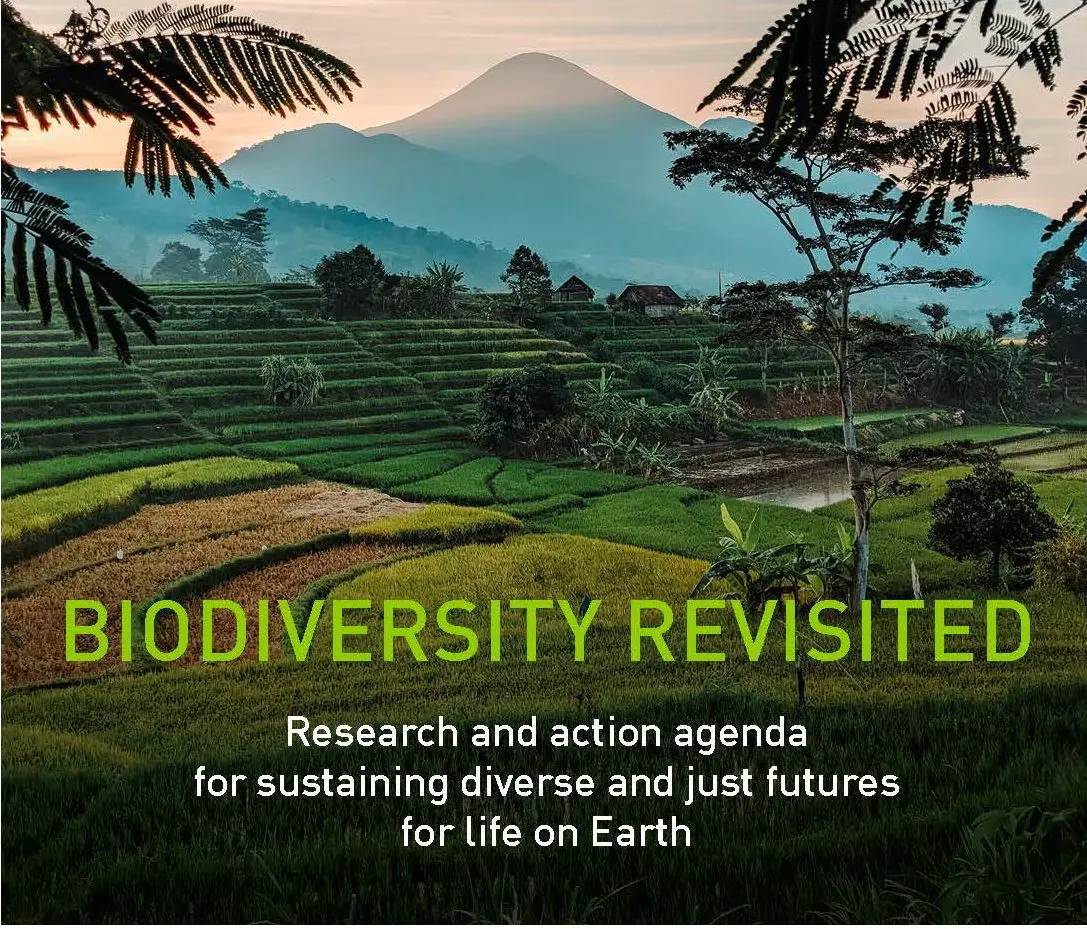
11 June 2020
Acceleration
A panel of three emerging, cross-sectoral leaders come together virtually with Melanie Ryan, Head of Programme, to discuss the development of the Biodiversity Revisited initiative as part of the WWF Fuller Science for Nature series.
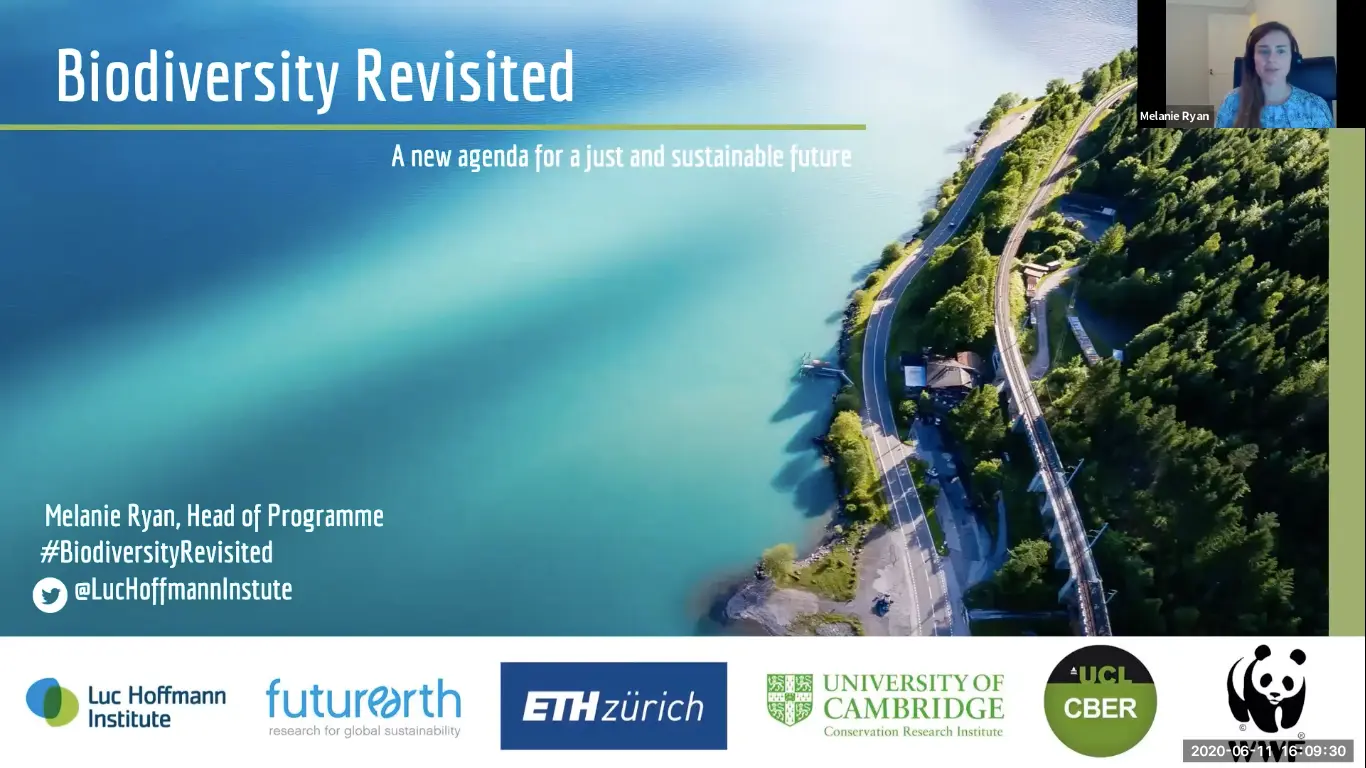
February 2020
Acceleration
The essay compilation Seeds of Change is published based on foundation questions for the discussions at the Biodiversity Revisited Symposium in September 2019. The essays explore new concepts, narratives, science, governance and systems for a diverse and just future for life on Earth.
23-24 February 2020
Acceleration
At the World Biodiversity Forum, 20 members of the Biodiversity Revisited initiative, including many early career essay contest winners, meet at The Rockefeller Foundation Bellagio Center to advance the development of the research agenda.
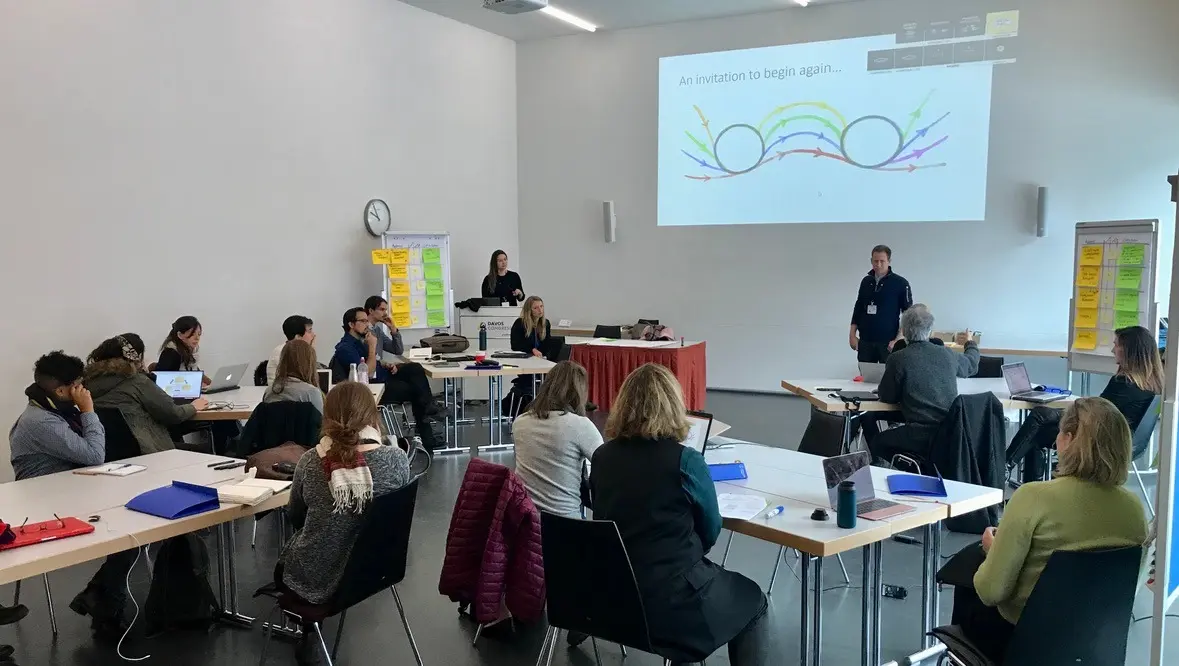
February 2020
Acceleration
A core group of 18 members of the Biodiversity Revisited initiative meets at The Rockefeller Foundation Bellagio Center to begin drafting an innovative, five-year research agenda in an environment that facilitates deep, creative thinking.
June – October 2019
Acceleration
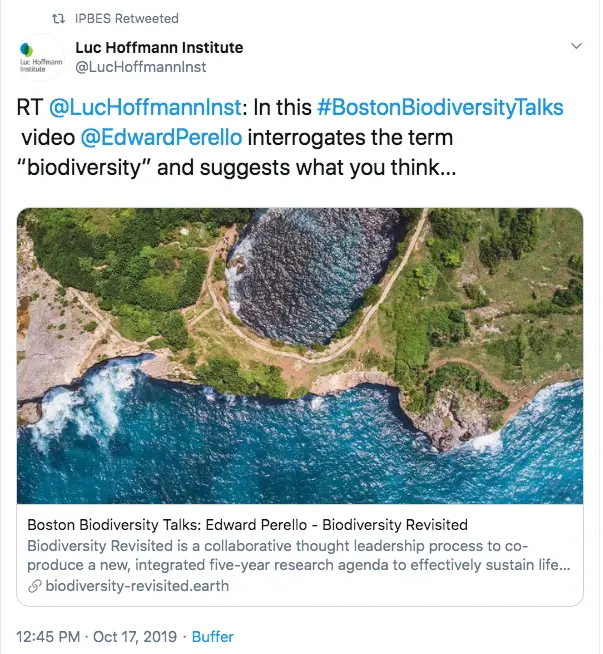
The #BiodiversityRevisited conversation skyrockets on social media. Luc Hoffmann Institute Twitter followers triple from 1000 to almost 3000 followers.
18 September 2019
Acceleration
An article by journalist John Vidal appears in The Guardian, citing the Biodiversity Revisited Symposium and pressing for innovation and change in approaches to nature conservation.
September 2019
Acceleration
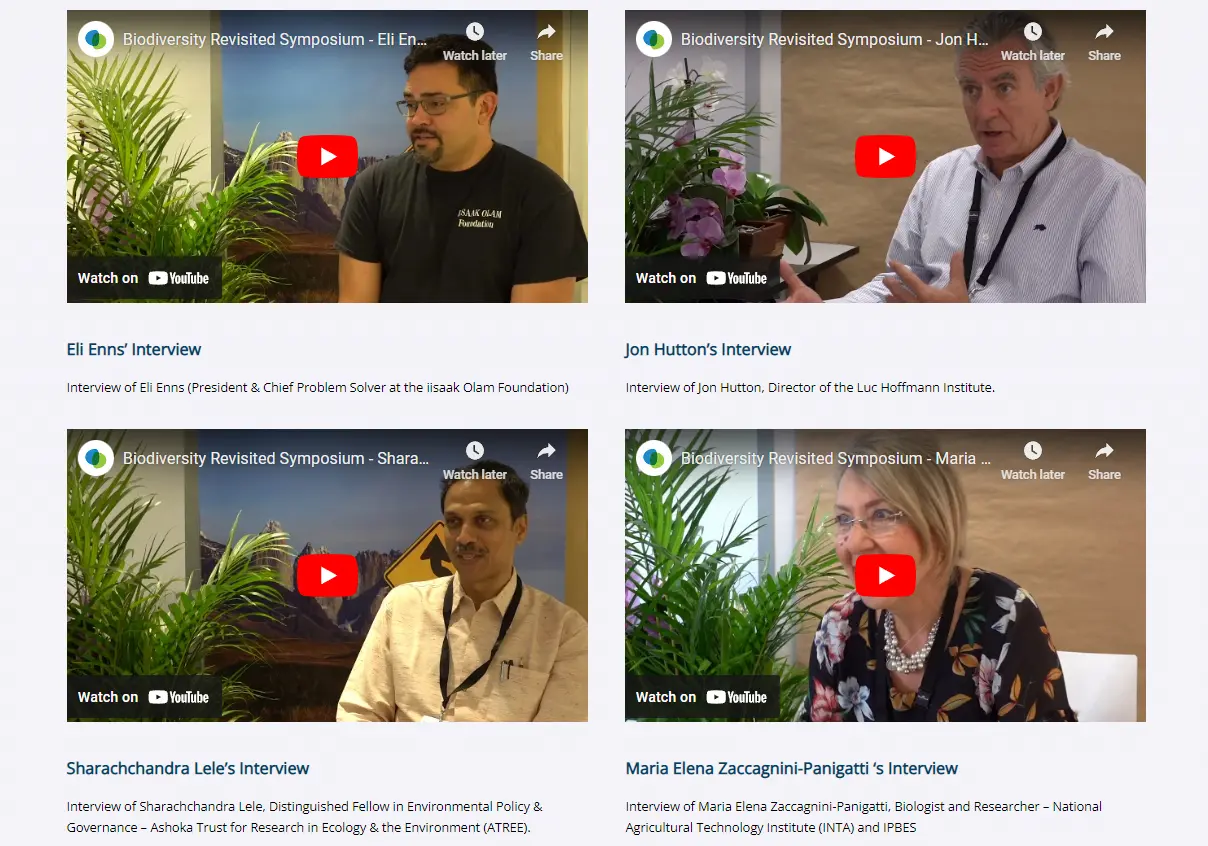
Biodiversity Revisited Symposium participants share their thoughts on the future of biodiversity conservation in short video interviews.
September 2019
Acceleration
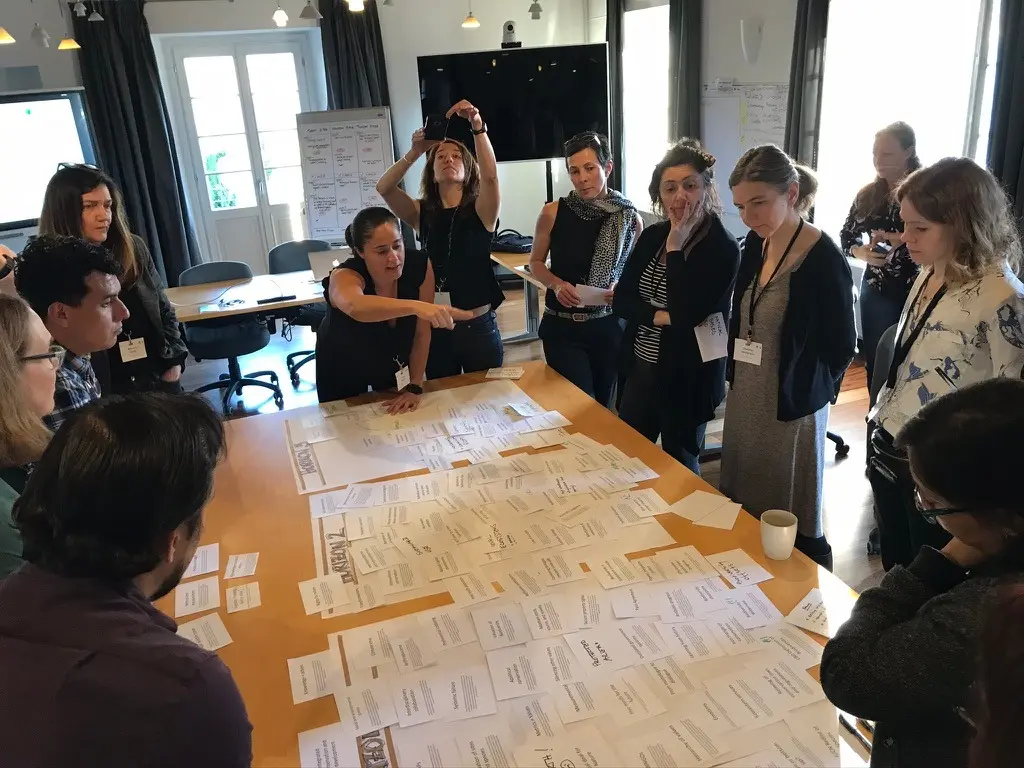
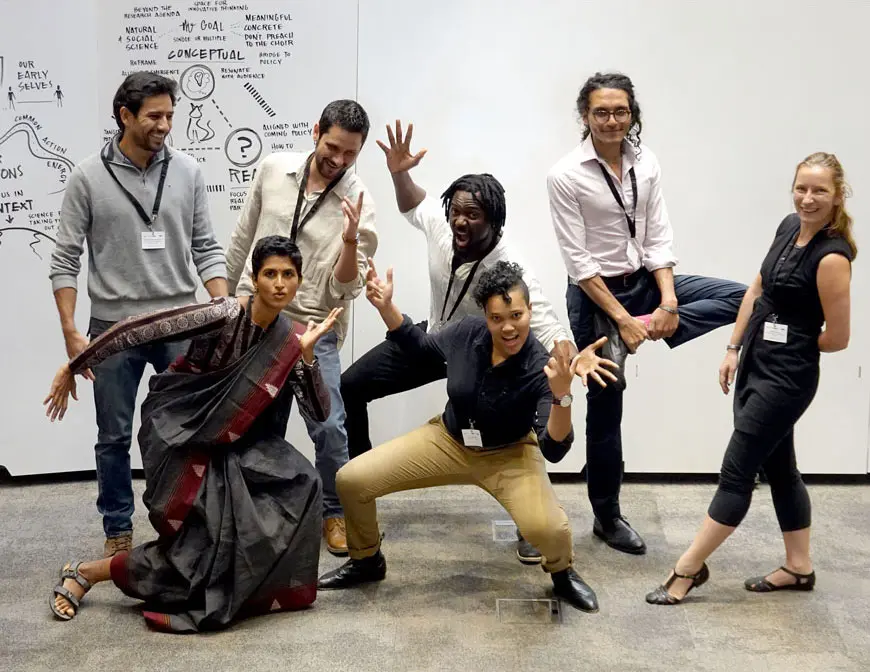
The Biodiversity Revisited Symposium takes place in Vienna, bringing together interdisciplinary thinkers including journalists and scientists from the natural and social sciences. This picture shows the early career essay competition winners who joined the symposium.
July 2019
Incubation
Provocative thought pieces are sourced from around the world.

June 2019
Incubation

May 2019
Incubation
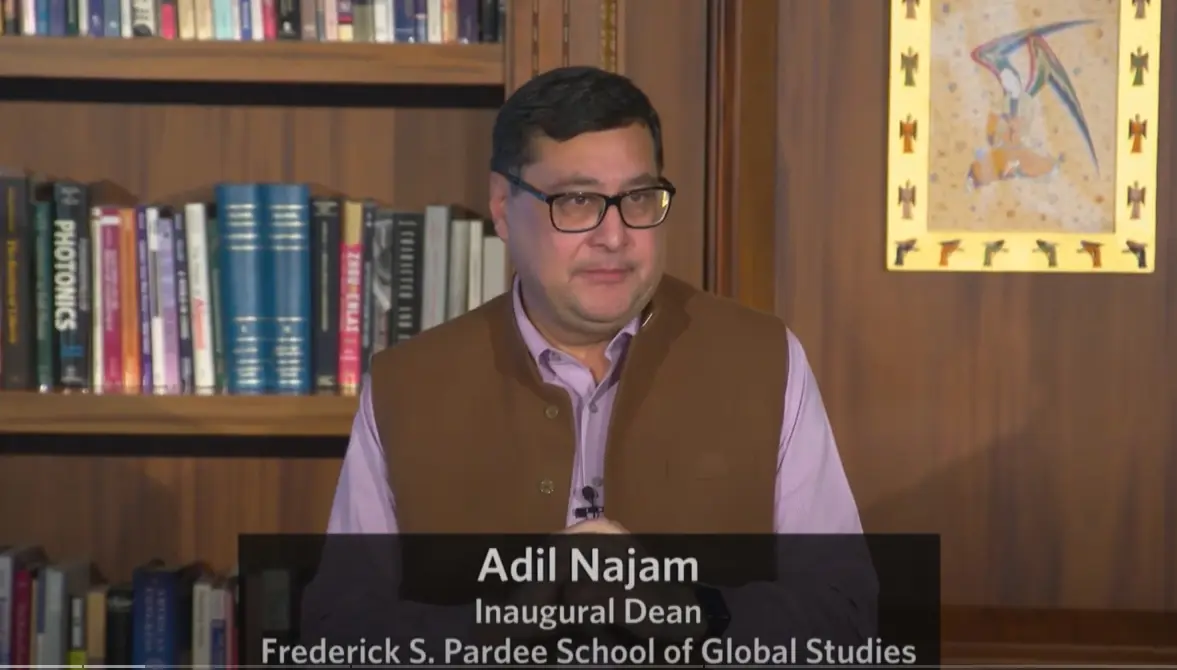
“Biodiversity Revisited is an exciting project. It offers an urgently needed opportunity to reframe the research agenda and the debate. In a time of growing global commitment to action for nature, it could not be more timely,” says Jim Leape, William and Eva Price Senior Fellow at Stanford Woods Institute for the Environment; Co-director, Center for Ocean Solutions.
May 2019
Incubation
Expanding the debate – the Boston Biodiversity Talks take place.
March 2019
Incubation
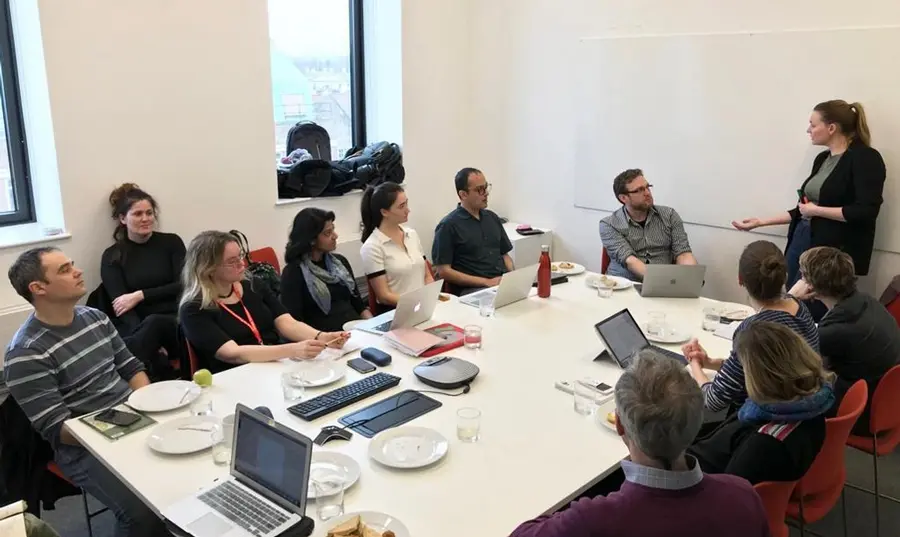
Cambridge consultation: first response to the Biodiversity Revisited proposition from an international test group of early-career and diverse professionals
Late 2018 – early 2019
Incubation
The team, governance, themes and approach to Biodiversity Revisited are designed. A robust governance is put in place for oversight and the #BiodiversityRevisited conversation thread is born on social media.

2018
Ideation
“What’s wrong with biodiversity?”
The Biodiversity Revisited idea is born.