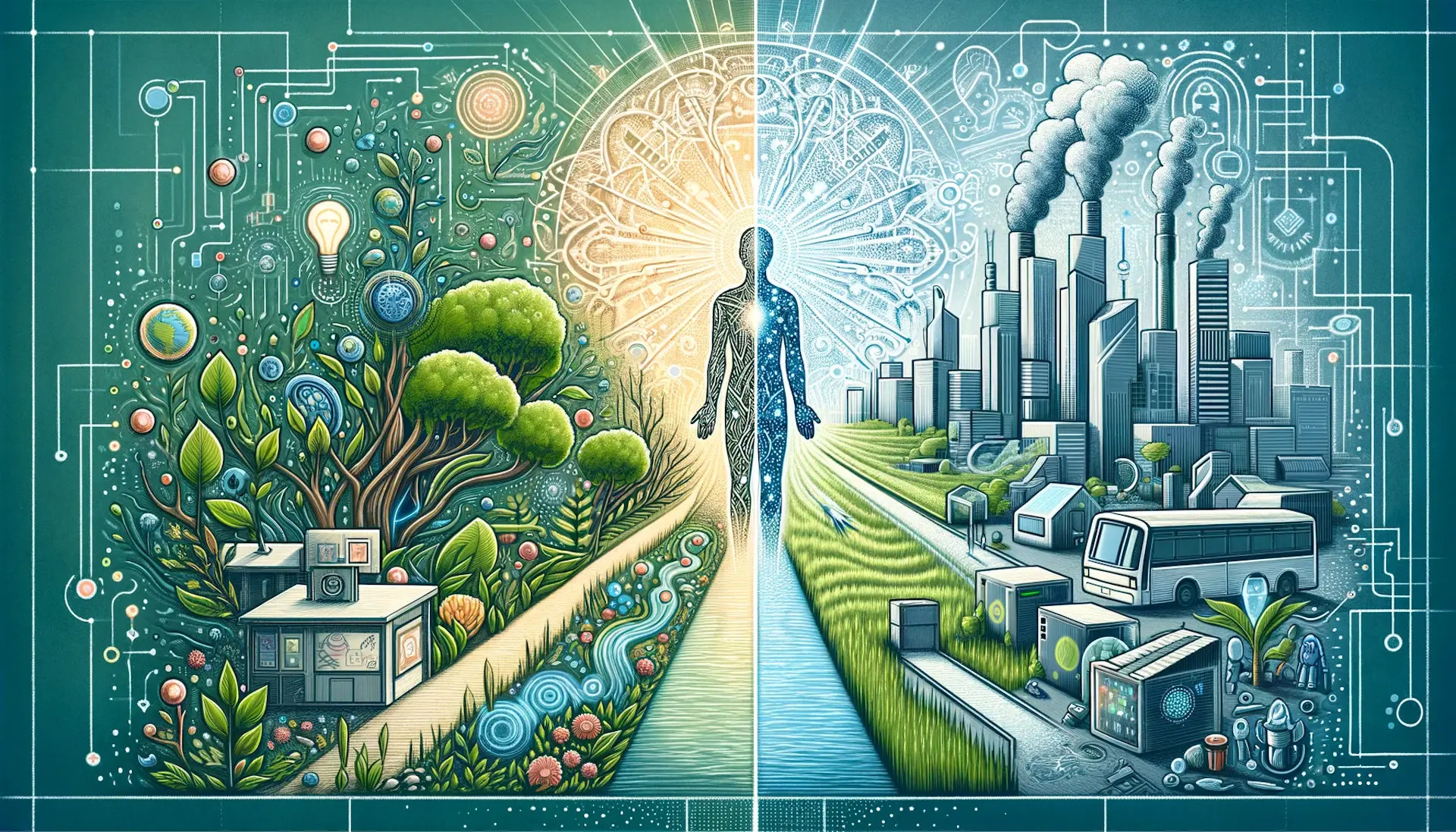
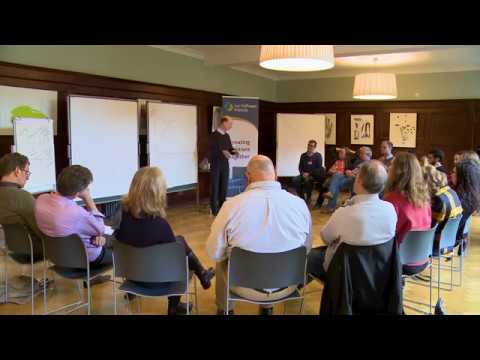
‘Three Horizons’ is a model for creating a shared vision for biodiversity conservation and outlining the steps needed to achieve it, co-created by Bill Sharpe of the International Futures Forum. In this video the Luc Hoffmann Institute team and partners hear more from Bill about the ‘Three Horizons’ approach.
Creative Futures for Nature
A horizon-scanning and research programme widening whose knowledge shapes the futures we imagine.
What is Creative Futures for Nature?
An ongoing inquiry into plural, relational, and justice-centred conservation futures.
Futures thinking isn’t about predicting what’s to come; it’s about actively creating it.
Creative Futures for Nature centres marginalised perspectives and Indigenous knowledge. The programme challenges dominant narratives, explores inclusive futures for conservation, and co-creates alternative visions for a more inclusive and just planet.
The Gap
Futures thinking as a tool
Widening our field of vision
Enabling meaningful cross-cultural dialogue
The Gap
Much of foresight practice works to anticipate and manage uncertainty based on assumptions about time, control, and whose knowledge counts, limiting our capacity to imagine futures where all life on Earth thrives.
Futures thinking has deep roots in ancient cultures, but the version that informs nature conservation remains predominantly Western-centric, and it rarely draws on Indigenous communities, local knowledge holders or more-than-human relationships.
Watch
The Three Horizons framework explained by Bill Sharpe
People Involved
Anaïk Anthonioz BlancTeamSwitzerland

Gustavo Nogueira de MenezesCollaboratorSpain
Lakshmi VenugopalTeamIndia

Sasha SebrightTeamUnited Kingdom
Sudha IyerTeamIndia