Exploring Responses to Corruption in Natural Resource Management and Conservation Practice
Developed anti-corruption responses by connecting conservation practitioners with existing corruption expertise from non-conservation sectors. (2020-2021)
Corruption and conservation
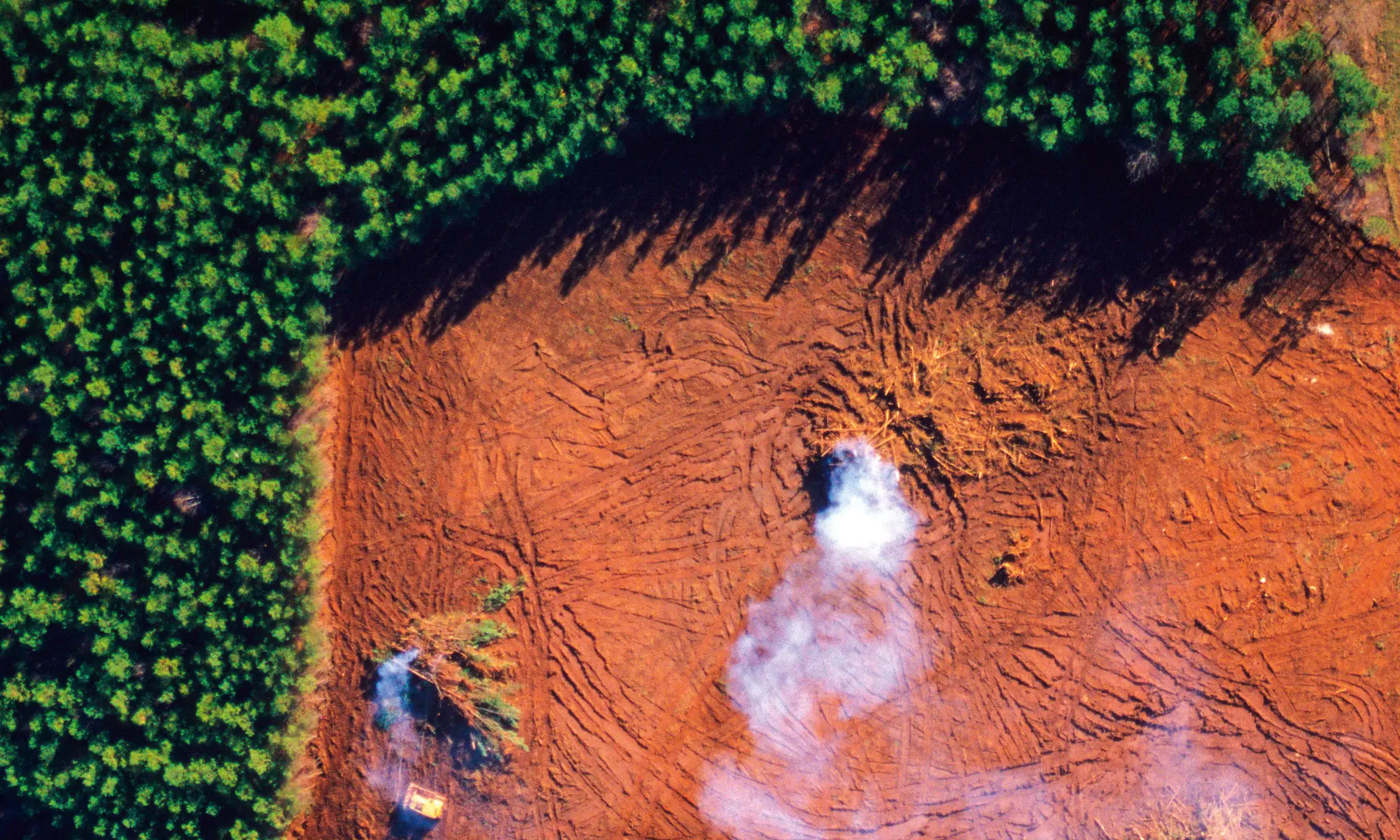
Corruption undoubtedly plays a role in degrading nature, undermining conservation efforts, distorting good governance and disrupting communities around the world. Corruption is dynamic – it changes and develops over time and no two situations look exactly alike. There is therefore no single solution. This initiative aims to highlight how rethinking relationships between and across sectors, organisations and geographies could foster strong and collective action and enact systemic change.
For this initiative, the Luc Hoffmann Institute partnered with the TNRC project consortium, led by the World Wildlife Fund US and in consortium with U4 Anti-Corruption Resource Centre - CMI and TRAFFIC.
Drawing on the ongoing project Targeting Natural Resource Corruption (TNRC) (opens in a new tab), the Luc Hoffmann Institute is partnering with the TNRC project consortium to incubate anti-corruption responses by connecting conservation practitioners with existing corruption expertise from non-conservation sectors. By opening up dialogue and sharing cross-sectoral learning on corruption, its impact on natural resource and conservation outcomes, and what is known about addressing it, this initiative aims to enable conservation policy and programmatic leaders to question, explore and adopt fresh and effective approaches to corruption in global conservation practice.
This initiative brings together a group of leaders from within conservation and other key sectors to explore how corruption impacts conservation and what conservation practitioners might learn and adopt from other fields that have been testing anti-corruption strategies for decades – fields such as international development, peace-building, infrastructure development and governance. It is envisioned that this process will increase connection and capacity, allowing for new and more effective anti-corruption approaches across conservation and natural resource management.
Programme timeline
26-28 October 2021
Incubation
A virtual symposium is held as part of the ‘Exploring Responses to Corruption in Natural Resource Management and Conservation Practice’ initiative. This key milestone in the wider project collaboration brought together thought and action leaders originating from 27 countries to incubate new responses to the impact of corruption on nature and people through shared knowledge and collective action.
October 2021
Incubation
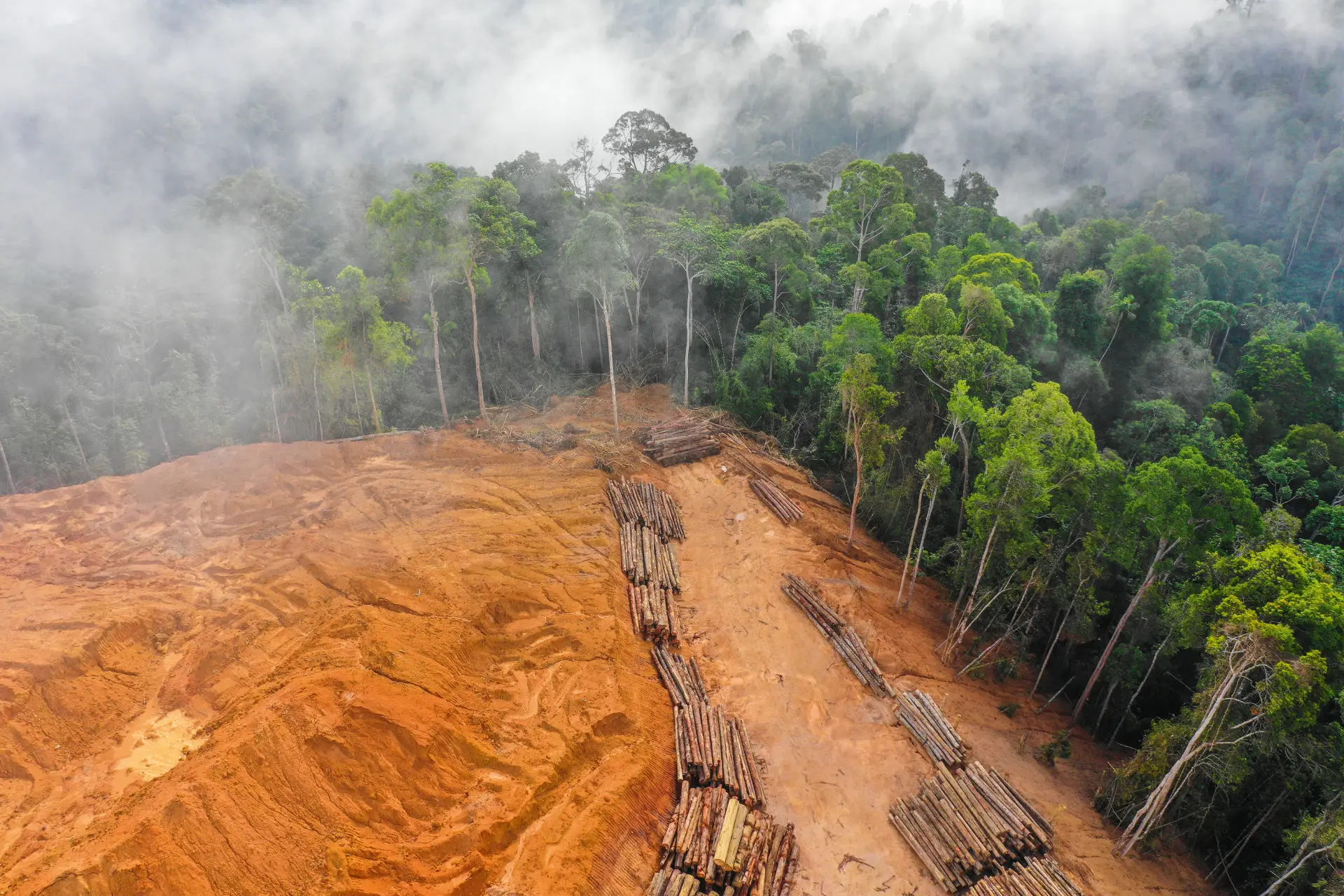
Isis Alvarez, former Livestock Campaign Coordinator and Senior Gender Advisor at the Global Forest Coalition, and Natalia Muñoz Cassolis, Consultant on Illegal Wildlife Trade at WWF and to the Transparent Governance of Natural Resources (TGNR) project, share their thoughts in an interview with the Luc Hoffmann Institute.
2021
Incubation
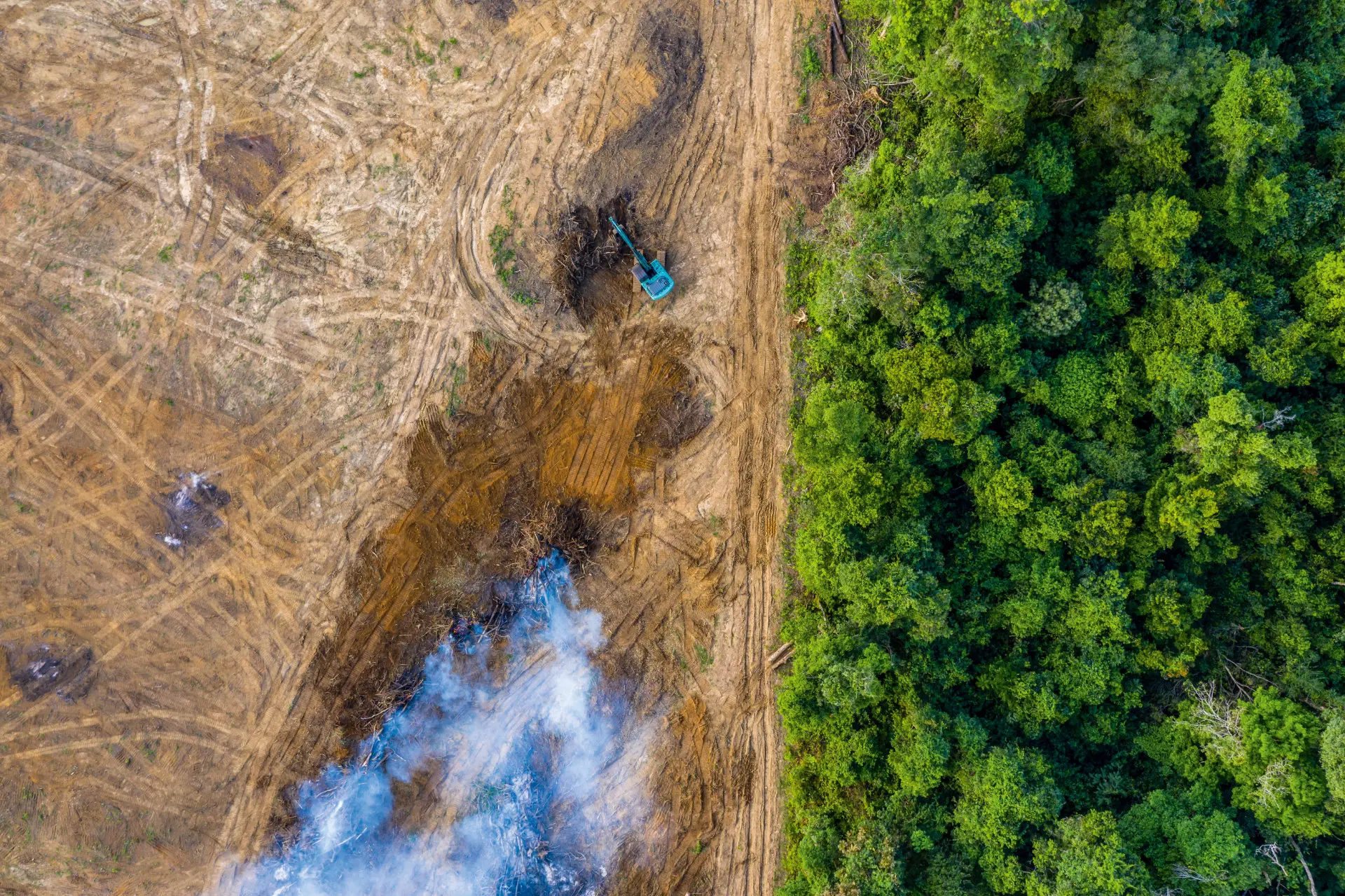
Laode M. Syarif, Executive Director of Partnership for Governance Reform (KEMITRAAN) in Indonesia and Senior Lecturer at Hasanuddin University, Faculty of Law, writes a thought piece on the impacts of corruption on conservation in Indonesia.
11 August 2021
Incubation
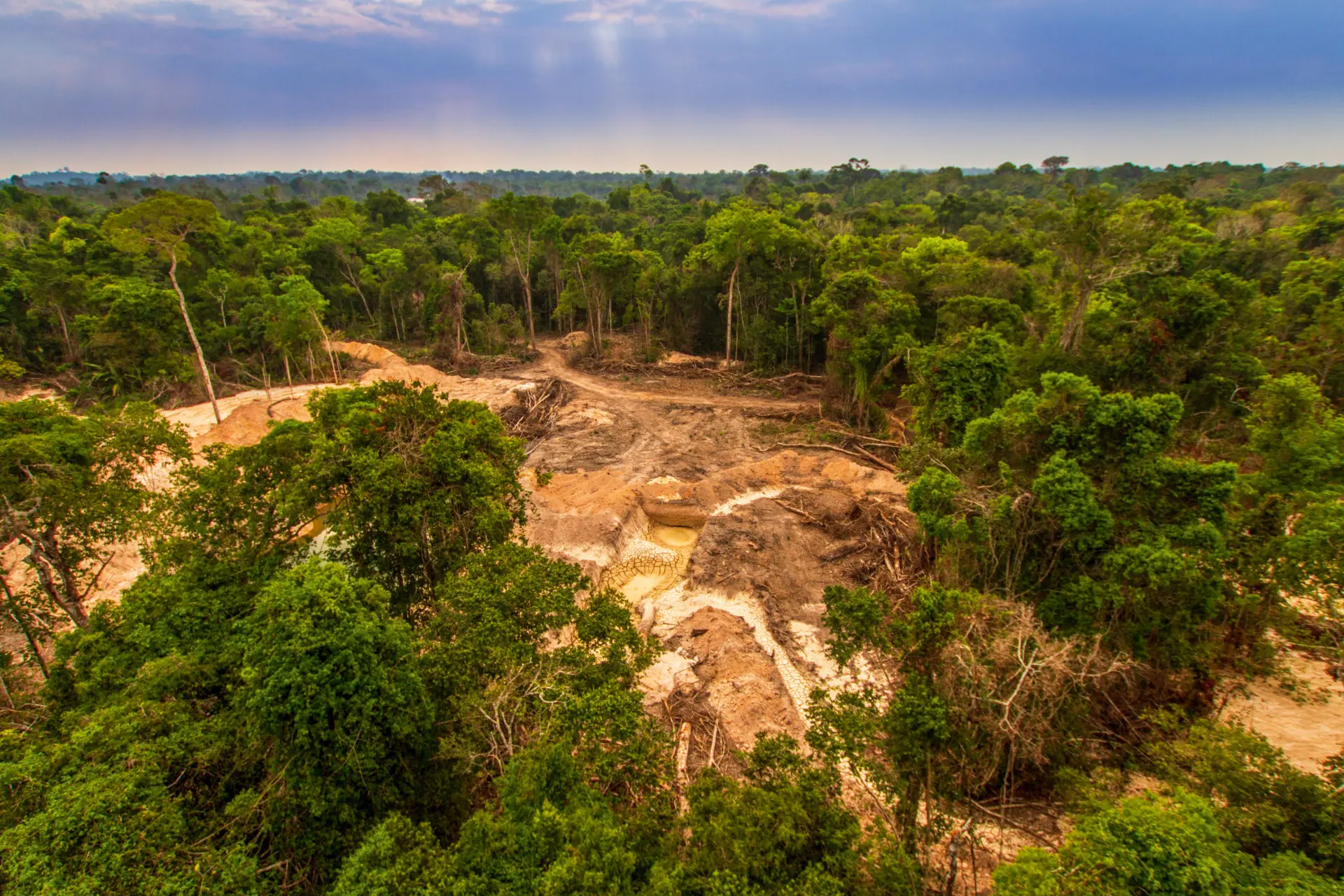
Elizabeth Hart, Chief of Party, Targeting Natural Resource Corruption (TNRC) and Aled Williams, Senior Advisor at U4 Anti-Corruption Resource Centre, write a thought piece exploring how knowledge sharing and new alliances between the conservation and anti-corruption communities have the potential to drive more effective anti-corruption responses for the conservation sector.
13 May 2021
Incubation
Co-creation is expanded through a virtual Sounding Board meeting, where sixteen individuals are drawn from project partners and other key influencers to define themes, definitions and priorities, and to bring diverse perspectives together as well as highlight other key areas for designing an impactful symposium.
September 2020
Incubation
A co-creative and inclusive approach is adopted. The collaboration agrees to explore the variety of ways in which individuals and organisations from diverse sectors are currently framing and acting in response to corruption.
June 2020
Ideation
The institute engages in conversation with peers from Targeting Natural Resources Corruption (TNRC) to incubate anti-corruption responses in conservation and natural resource management by catalysing dialogue and cross-sectoral learning, and fostering new networks.
March 2020
Ideation
Rob Parry-Jones, Head of the Wildlife Crime Initiative at WWF International and c/o IUCN Asia Regional Office approaches the Luc Hoffmann Institute to consider a collaboration on a symposium to explore new and more effective approaches around anti-corruption learning.