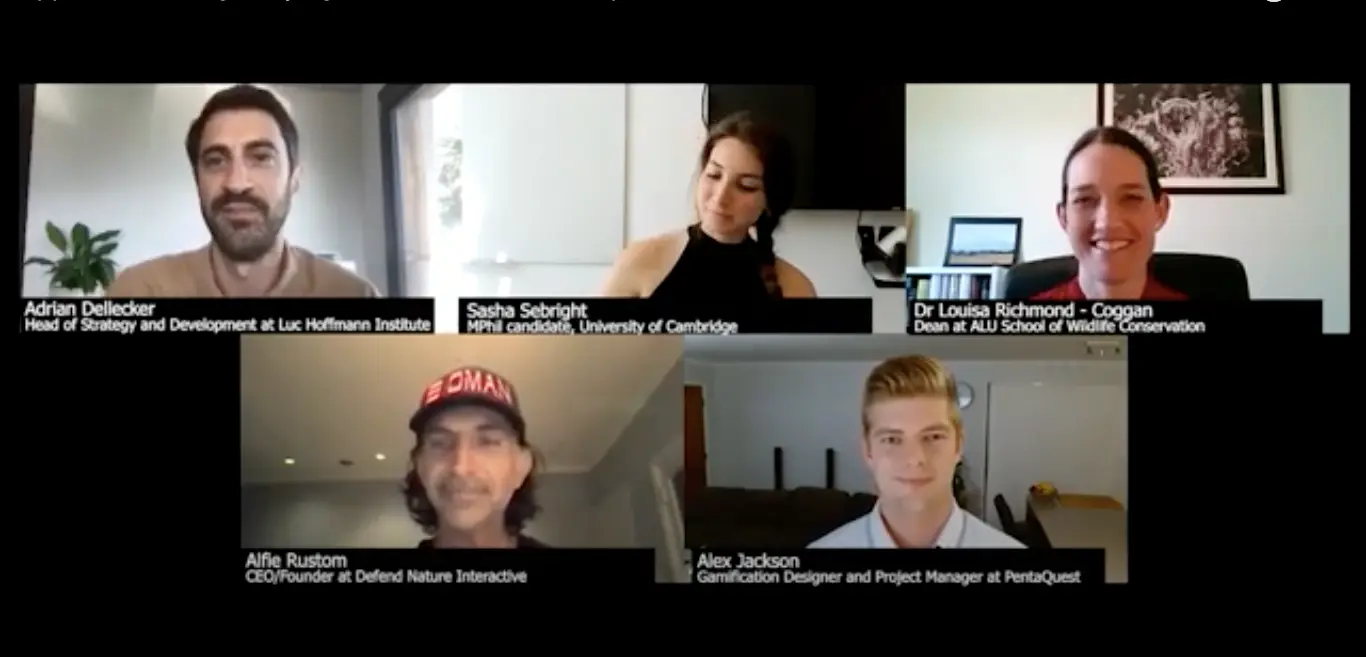
A lively expert panel discusses the findings of the research report, ‘Using Gamification in Nature Conservation’. Held on 7 September 2021 and moderated by Adrian Dellecker, then Head of Strategy and Development at the Luc Hoffmann Institute.
Gamifying Nature Conservation
Explored whether gamification techniques could revolutionise the way people interact with and fund conservation efforts. (2019-2021)
Overview
How could gamification techniques revolutionise the way people interact with and fund conservation efforts?
Half of the global population lives in urban areas, largely disconnected from the natural world. The problems facing the planet can feel overwhelming and impossible for individuals to influence. As a result, it is becoming increasingly hard to engage people with and fundraise for conservation. But new technologies and data are available that can track and replicate wild animals and the landscapes in which they live. By using these technologies to tell animals’ stories and by harnessing successful marketplace models and gamification techniques, can we create a brand new revenue stream for wildlife conservation?
The Luc Hoffmann Institute and Internet of Elephants teamed up to explore these questions in a venture lab.
Watch
Opportunities in gamifying nature conservation
People involved

Adrian DelleckerCollaboratorSwitzerland

Rafael MaresCollaboratorUnited Kingdom
Programme timeline
October 2021
Could games play a role in inspiring young people to conserve nature?
Maike Gericke, co-founder of innovation studio Scrypt and creative head behind Tiramisu, writes a thought piece examining whether games could increase wildlife awareness, empathy and understanding among young people in a fun and entertaining way.

September 2021
Gamifying conservation: What could go wrong?
Sasha Sebright, MPhil in Conservation Leadership candidate at the University of Cambridge, working in collaboration with the Luc Hoffmann Institute and UNEP-WCMC, writes a thought piece exploring the possible unintended adverse consequences of gamifying nature conservation.

September 2021
Video call with five panellists: Adrian Dellecker of the Luc Hoffmann Institute, Sasha Sebright of the University of Cambridge, Dr Louisa Richmond-Coggan of the ALU School of Wildlife Conservation, Alfie Rustom of Defend Nature Interactive, and Alex Jackson of PentaQuest
‘Opportunities in gamifying nature conservation’ webinar is held, featuring an expert panel discussion on the findings of the research report, ‘Using gamification in nature conservation’, and a live Q&A.
September 2021
Using gamification in nature conservation
The Luc Hoffmann Institute publishes ‘Using gamification in nature conservation’ by gamification expert PentaQuest, and Sasha Sebright, an MPhil candidate at the University of Cambridge. The report examines how storytelling and gamification can derive value from, and for, wildlife. It highlights some current and past initiatives, theories and lessons learned from these efforts.
July 2021
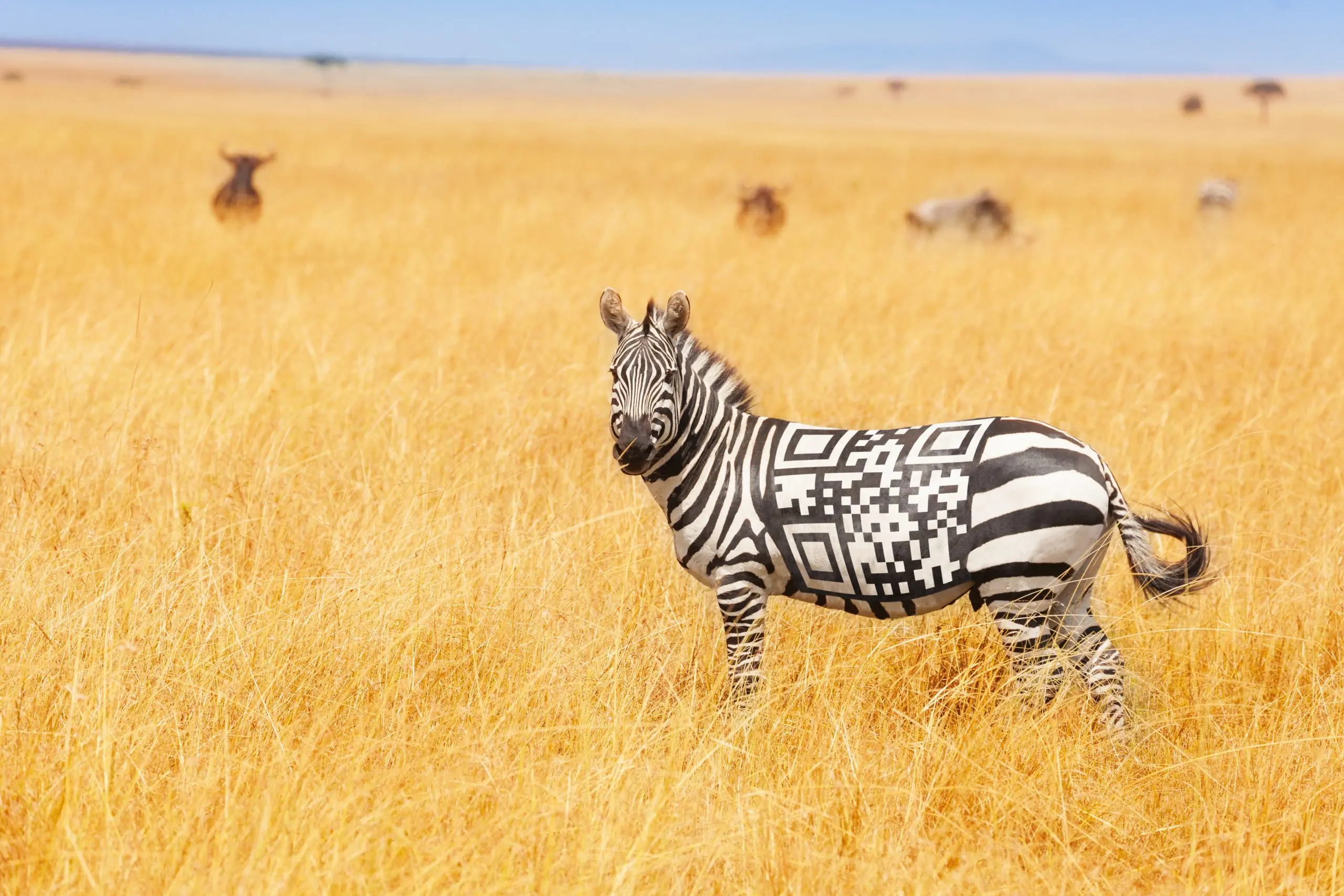
Is wildlife data gamification the key to engaging a new audience in conservation?
Rafael Mares, Wildlife Data Scientist at Internet of Elephants, writes a thought piece on how harnessing wildlife data through gamification techniques might boost engagement and support for conservation efforts.
June 2021
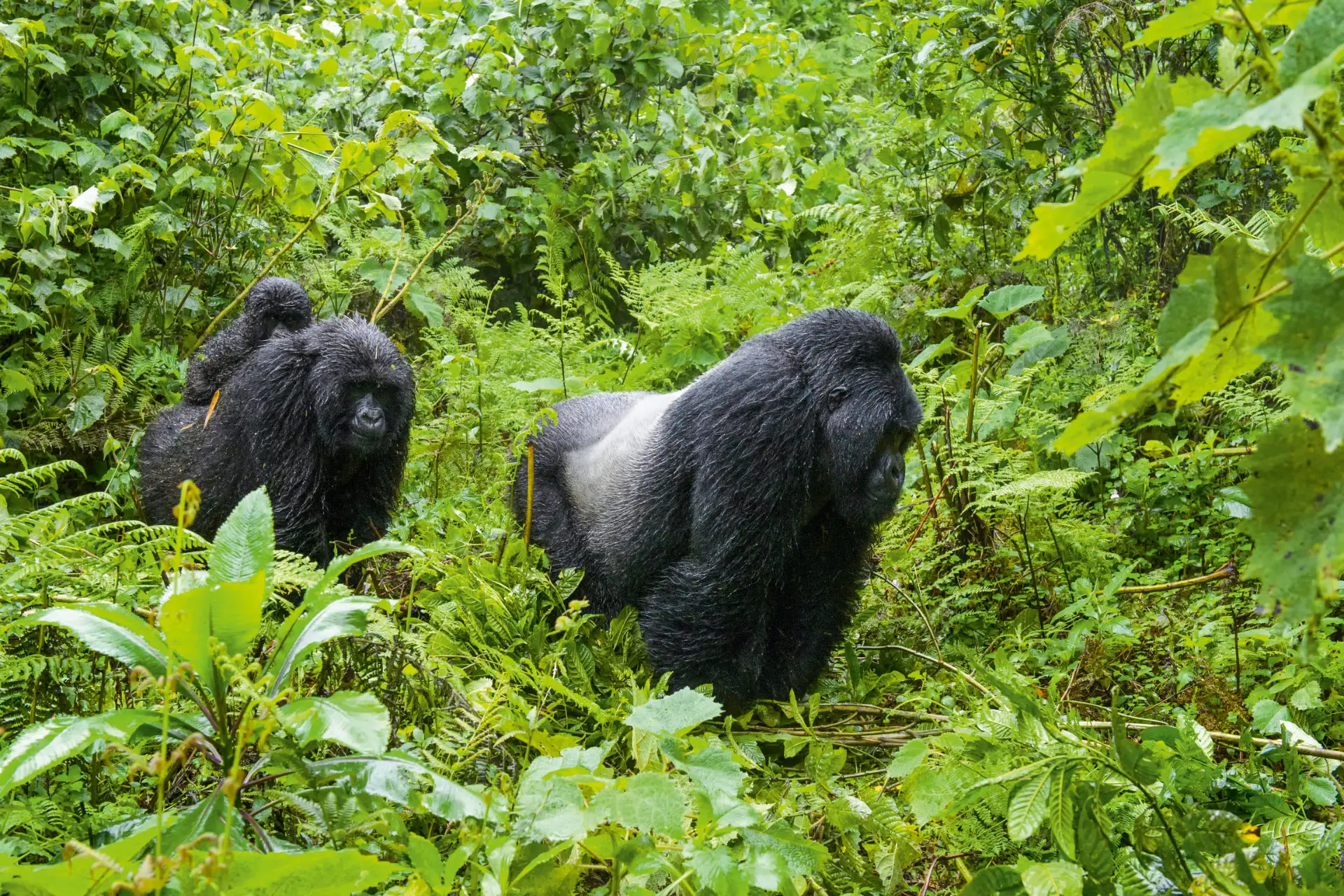
Can we redesign conservation funding?
Together with Internet of Elephants, the institute hosts a webinar that delves into the obstacles facing fundraising today, and asks if games and gamification could generate new revenue streams for conservation.
June 2021
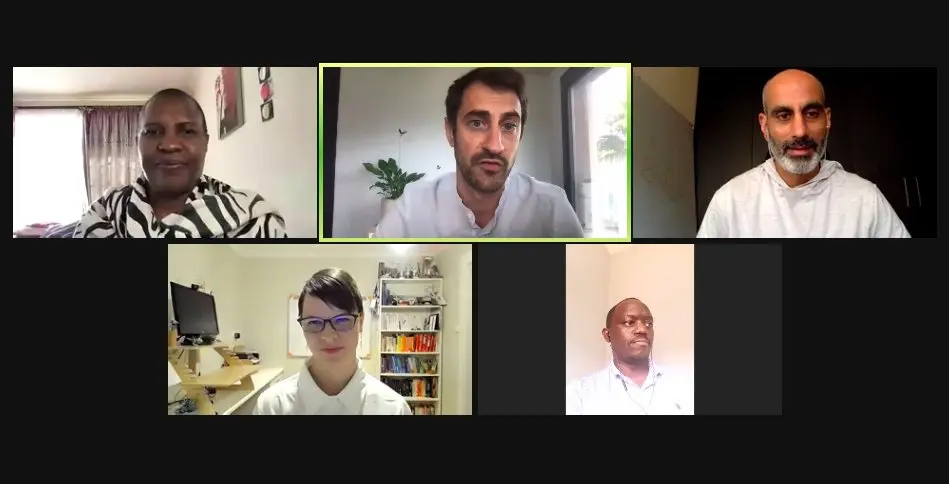
Can gamification help bridge the human-nature empathy divide?
Sasha Sebright, MPhil in Conservation Leadership candidate at the University of Cambridge, working in collaboration with the Luc Hoffmann Institute and UNEP-WCMC, writes a thought piece exploring how gamification could help foster human empathy for nature.
December 2020
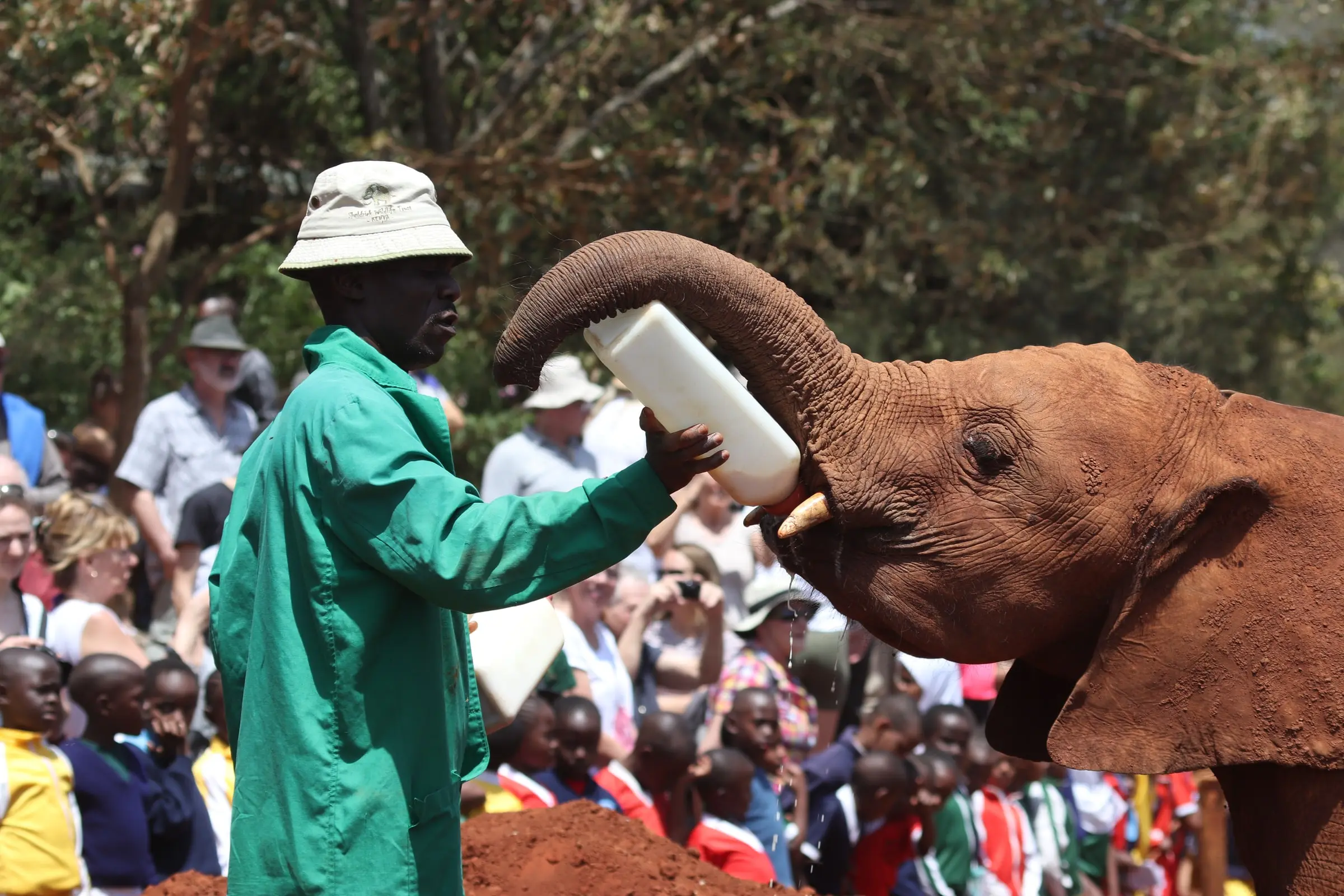
How gamification could revolutionise conservation
Adrian Dellecker, Head of Strategy and Development at the Luc Hoffmann Institute, writes a thought piece exploring the potential power of gamification to create change within nature conservation.

July 2020
Ideation
After looking more deeply into business and governance models and theories of change, the Luc Hoffmann Institute and Internet of Elephants launch Gamifying Nature Conservation. The project aims to further research and test the potential for gamification in the conservation sector, to engage and mobilise new audiences, as well as raise new revenue for on-the-ground conservation organisations.

November 2019
Ideation
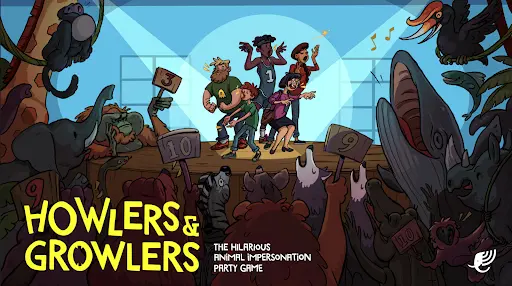
The Luc Hoffmann Institute partners with Internet of Elephants to explore a business model that turns conservation data (in this case, acoustic recordings of the sounds of animals in the wild) into a new revenue stream for conservation. A game prototype, ‘Howlers & Growlers’, is designed to entertain and amuse an audience by challenging them to imitate the sound of real animals, with a goal of raising users’ awareness of nature conservation issues.