Navigating Conflict Over Iconic Wildlife
This initiative is the nucleus around which a consensus for the value of a standard for human-wildlife coexistence can take shape among academics, conservation practitioners, and communities. The pilot and strong relationships that have been forged have paved the way for accelerated progress towards funding for the creation and uptake of a global standard.

How can we better ensure that neither biodiversity conservation nor livelihoods are negatively impacted by conflicts over iconic wildlife?
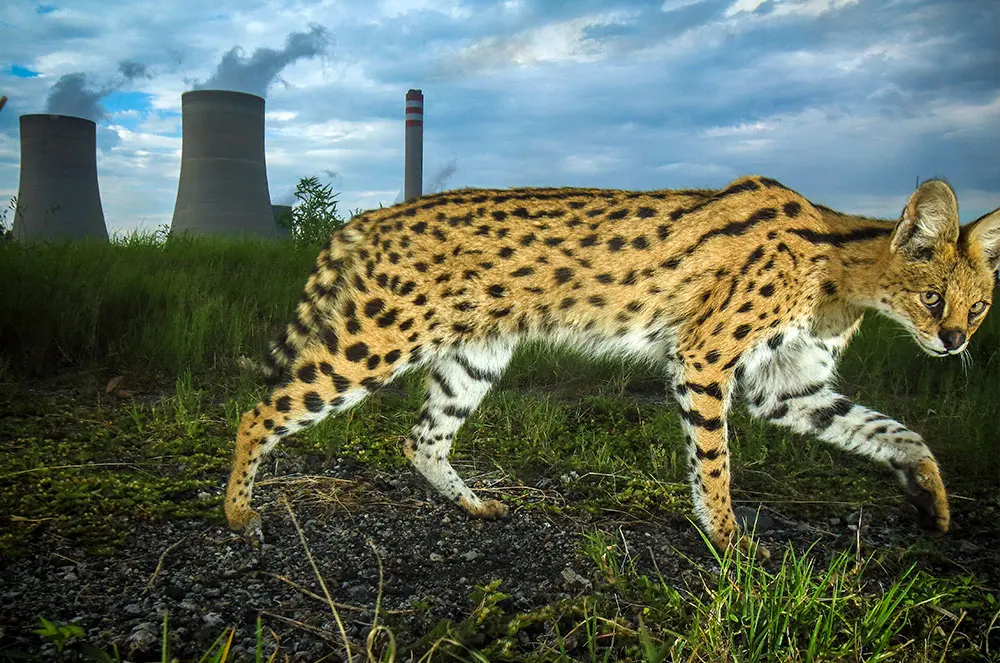
As human populations expand and natural habitats shrink, people and wildlife increasingly clash over food and habitat. These interactions drive conflicts between different interest groups with strongly held positions, creating some of the most intractable conservation challenges. Working to address deep-seated human-wildlife conflicts requires innovative ideas and approaches.
To safeguard species and community livelihoods, the institute is working with Griffith University, the University of Aberdeen and the International Union for the Conservation of Nature Species Survival Commission (IUCN-SSC) Human-Wildlife Conflict Task Force to create an overarching standard for addressing conflicts over biodiversity. For this initiative, the Luc Hoffmann Institute also partnered with the Namibia Nature Foundation.
Programme timeline
February 2021
Acceleration
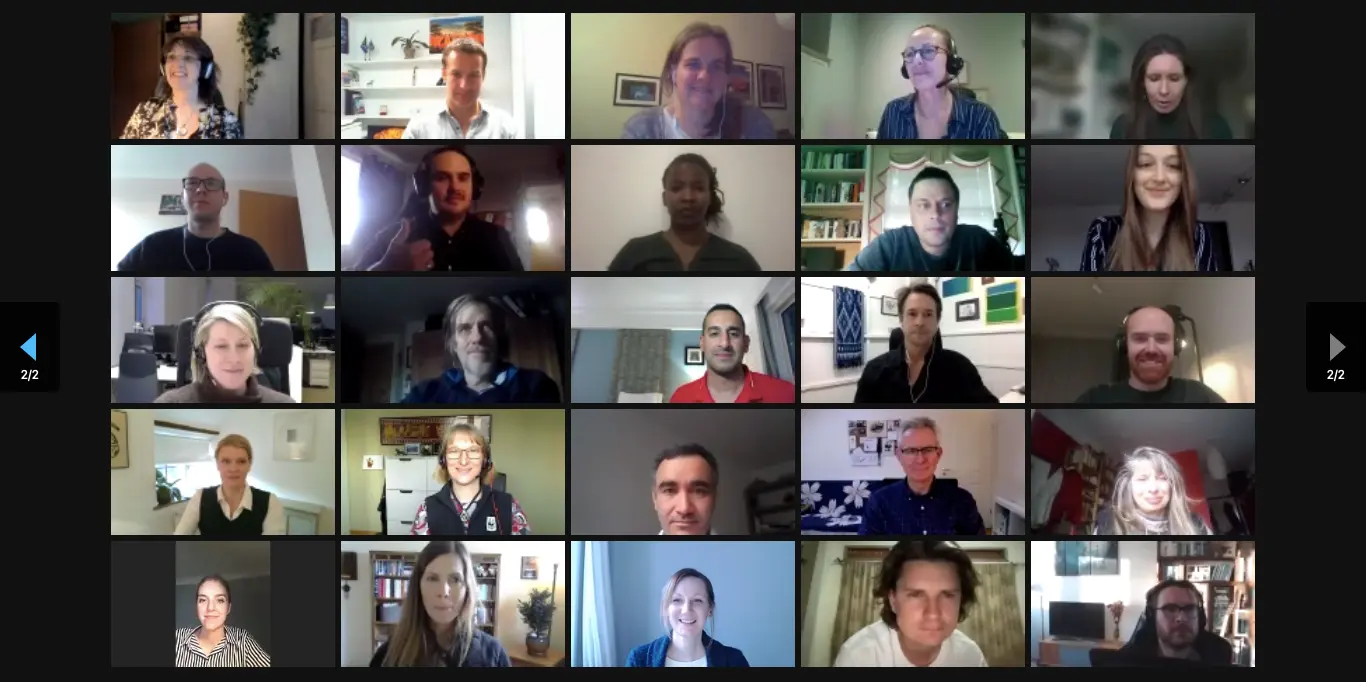
After a drawback brought by the pandemic, the Luc Hoffmann Institute resumed work on the initiative to bring stakeholders together for a virtual convening in February. A group of 33 scholars, practitioners and innovators met to discuss the nearly two-year engagement in the initiative, reflect on reports produced about existing standards and identify ways the initiative can be continued to achieve lasting impact.
March 2020
Acceleration
The Luc Hoffmann Institute issues a new analysis on ‘The state of knowledge and practice on human-wildlife conflicts’. Compiled by leading specialists in the field of HWC, it points the way to developing a standard to guide and improve approaches to HWC globally.
2019
Incubation
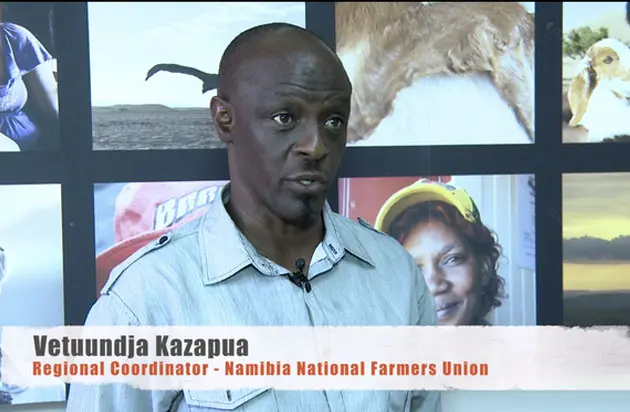
The Luc Hoffmann Institute and Griffith University convene stakeholders and community groups in Namibia and introduce an innovative approach to discussing and solving conflicts.
2019
Incubation
The Luc Hoffmann Institute commissions a systems analysis study on “The state of knowledge and practice on human-wildlife conflicts”, driving exploration on a global standard.

2018
Ideation
The Luc Hoffmann Institute, together with Griffith University, holds workshops to formulate a vision of “institutionalised good governance in human-wildlife coexistence in wildlife conservation”.