Luc Hoffmann Institute Fellow, Dr Kien van Nguyen, has devoted his work and research to better understanding and advancing change in the Mekong River basin, particularly in Vietnam. Here he shares his perspectives on the emerging changes in the region and how conservation fits into the picture.
Navigating the Nexus
Understanding the food and water trade-offs generated by hydropower development.
Overview
The challenge
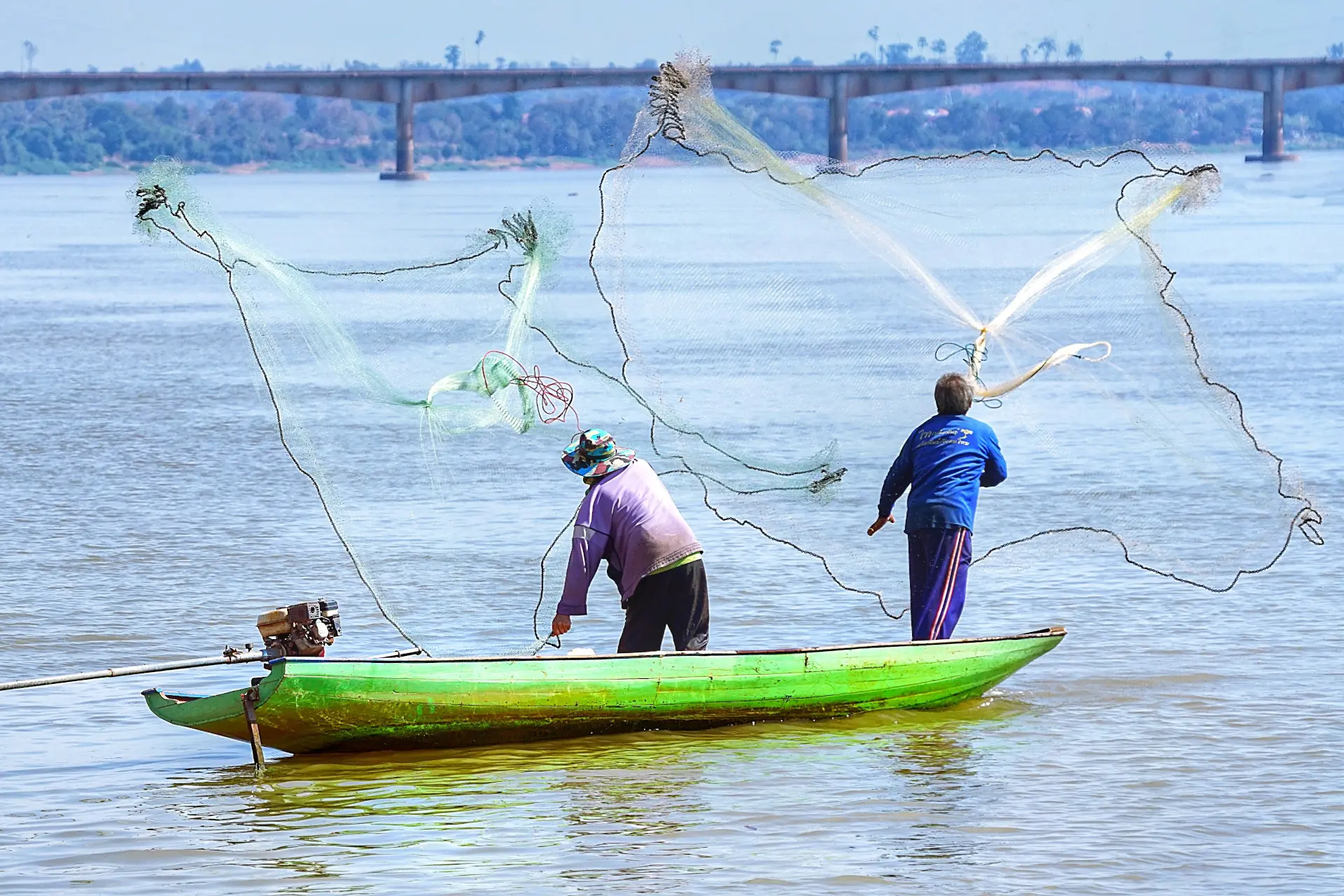
The Mekong River basin is one of the richest areas of biodiversity in the world and home to some 60 million people who rely on the river system’s abundant resources for healthy, affordable nutrition and for their livelihood.
The health of this system is crucial to their future security, and to the economic development of the six countries that share the Mekong region: Cambodia, Laos, Vietnam, Thailand, China and Myanmar. With so much at stake, decisions about how best to manage the region’s natural resources and develop its economies need to be carefully made and driven by evidence.
Economic growth, social equity and national security depend on healthy ecosystems. Yet ecosystem health and the issues that policy-makers care most about are rarely clearly connected. The result is that choices are often made without effective consideration of environmental consequences and this can undermine progress towards achieving society’s goals.
By 2030, 88 hydropower dams will be built in the Mekong river system. Research suggests the scale of development will result in a net loss of fish protein available to local and international consumers of 23-38%.
Approach
The response
The Navigating the Nexus project in which the Luc Hoffmann Institute is a partner has provided new empirical information on these food-energy-water trade-offs (often referred to as the Nexus) and climate change impacts in the Mekong River basin.
Two important phases of work were completed in this two-year project. One was to establish a conceptual understanding of the food-energy-water nexus within the basin. The second was to explore the relatively overlooked connection between changing water availability and flow and the nutrition and livelihood impacts on vulnerable farmers in Cambodia and Vietnam.
Outcomes
The impact
Taking a case-study approach, this research has produced new evidence on the socio-economic impacts of high-yield rice production in the Mekong Delta and the consequences of intensifying rice production in Cambodia. It has also produced critical new information on groundwater availability in Cambodia.
WWF partners and the Greater Mekong Programme have confirmed that the research will contribute to the body of evidence on the negative impacts of mainstem damming of the Mekong River. The project has provided LHI Fellow, Kien van Nguyen, a platform for continued professional and academic development that supports his ongoing engagement with provincial governments and local communities on the sustainable development of the Mekong Delta. He has also been able to network with like-minded individuals in Cambodia identified through the LHI Linked Indicators for Vital Ecosystem Services (LIVES) project.
One expected output of the project is to obtain an environmental grant from Mitsui & Co. Ltd., to support the maintenance of floating rice, a traditional, small-scale system of rice production that uses fewer chemicals but generates high economic return while maintaining biodiversity in the Mekong Region.
Watch
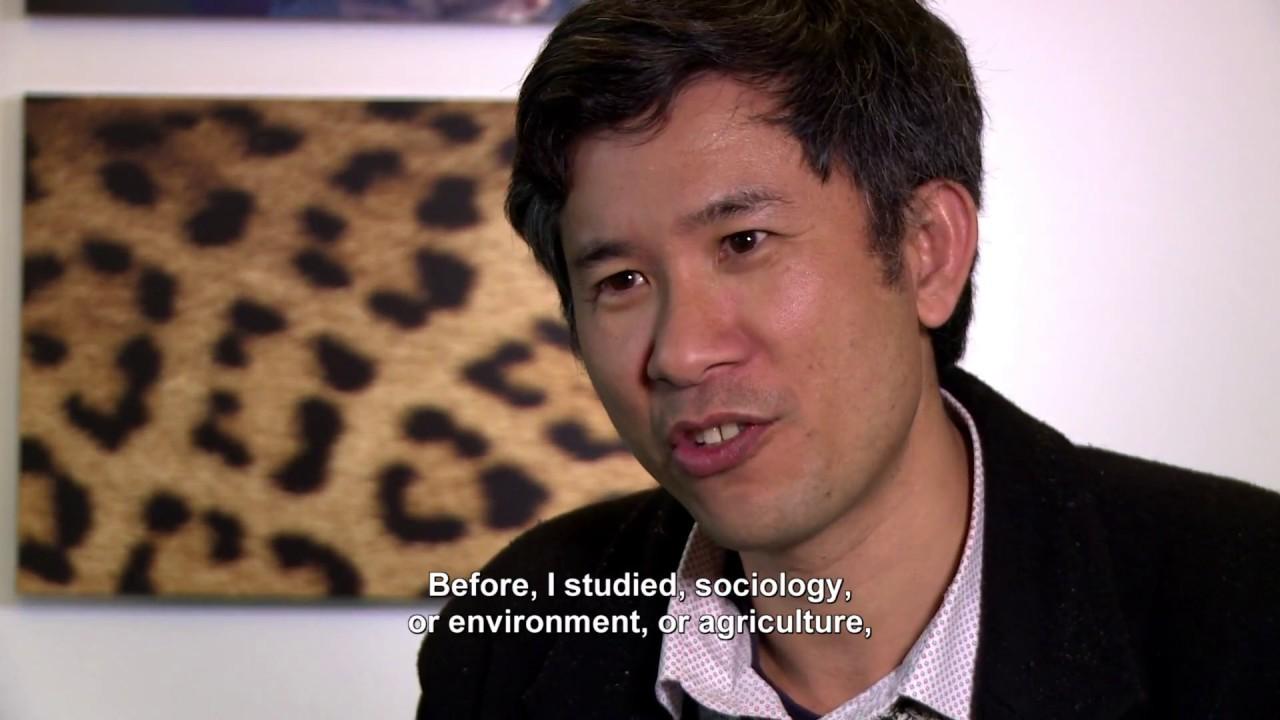
Dr Kien Van Nguyen – Luc Hoffmann Institute Fellows Video
People
Who was involved
Project partners
Australian National University (opens in a new tab) (ANU), WWF (opens in a new tab), An Giang University (opens in a new tab), Luc Hoffmann Institute.
Project leaders
Dr Jamie Pittock (ANU), Stuart Orr (WWF International), Dr Marc Goichot (WWF Greater Mekong), Dr Kien van Nguyen (ANU/An Giang University, Vietnam), Dr Louise Gallagher (University of Geneva).
Project development
The project proposal was received from WWF International and ANU in 2013/2014. It was evaluated and recommended by a WWF panel before being accepted into the LHI portfolio.