Luc Hoffmann Fellow, Dr John Garcia-Ulloa, is working in collaboration with a range of stakeholders along the palm oil supply chain in the hope that people will be able to make new and informed choices about the impact of oil palm consumption on biodiversity and the landscape. He reflects on how programmes like those at the Luc Hoffmann Institute can help focus on the way in which science contributes to making change in these scenarios.
Oil Palm Adaptive Landscapes (OPAL)
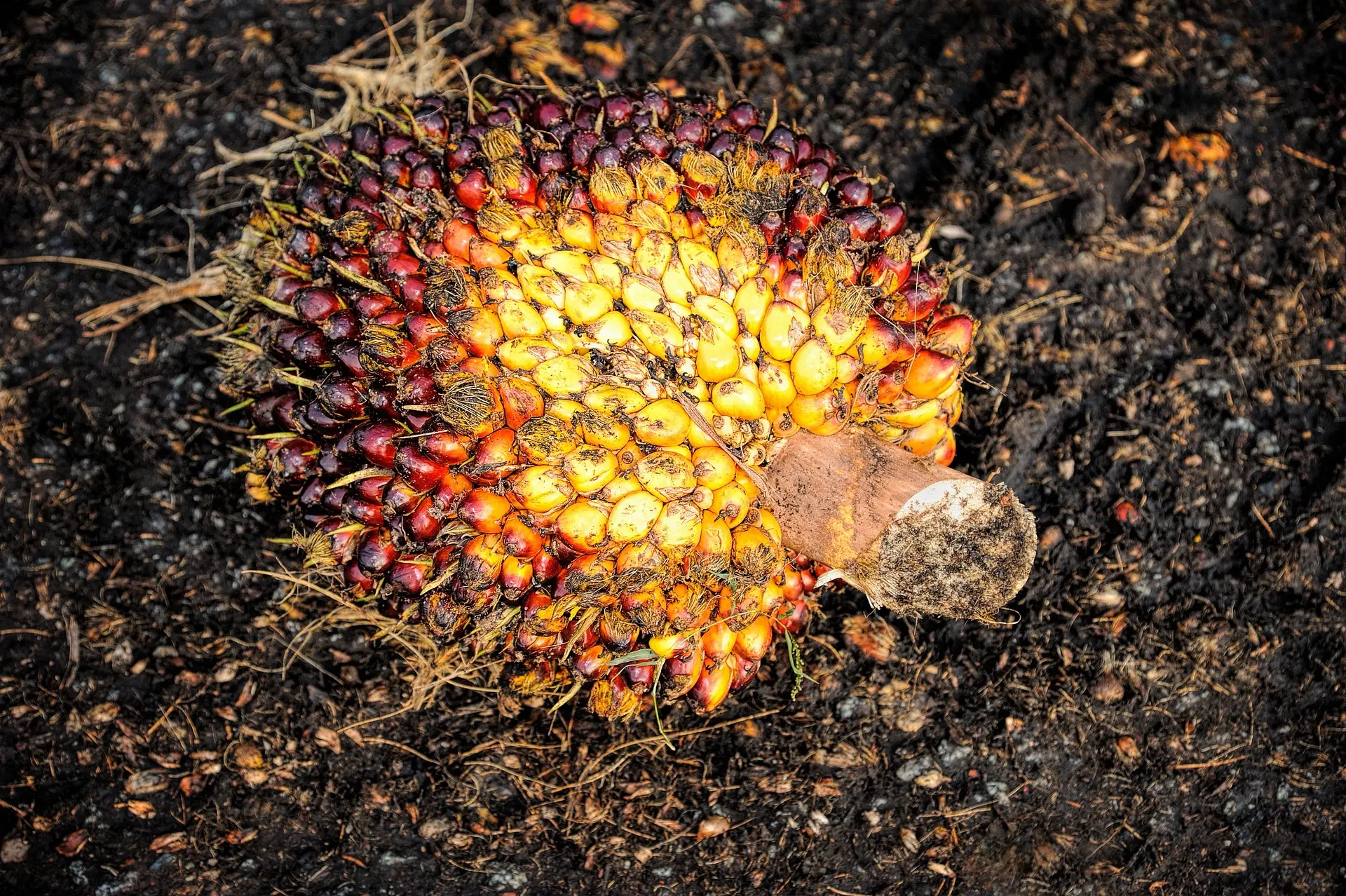
Palm oil from fruits of the oil palm tree is an ingredient in many food and cosmetic products. Recent expansion of oil palm plantations across the tropics has caused deforestation and biodiversity loss and has been linked with the displacement of people from traditionally managed land.
Overview
Improving the management of oil palm landscapes across Asia, Africa and Latin America
Palm oil from fruits of the oil palm tree is an ingredient in many food and cosmetic products. Recent expansion of oil palm plantations across the tropics has caused deforestation and biodiversity loss and has been linked with the displacement of people from traditionally managed land.
The expansion of palm oil provides significant income for producer countries, corporations and smallholders, but at a significant social and environmental cost within and beyond the landscapes in which oil palm is grown.
Stakeholders and decision-makers need to devise and adopt green development approaches that better balance development and conservation. This means a better understanding of the social, economic and ecological processes that shape environmental outcomes and the impacts these outcomes have on society.
Approach
The response
Oil Palm Adaptive Landscapes (OPAL), an ETH Zurich-led project in which the Luc Hoffmann Institute (LHI) is a partner, has been investigating global and local priorities in selected palm oil landscapes. These are in Central Sumatra and East Kalimantan in Indonesia, Southwest Cameroon, and Orinoco (Llanos Orientales) and the Caribbean region of Colombia.
The overall aim is to improve the management of oil palm landscapes across Asia, Africa and Latin America through:
- Understanding the socio-political, economic and ecological drivers shaping landscape transformation associated with palm oil development under different management systems and their environmental and livelihood outcomes.
- Developing models of palm oil landscapes that merge social and economic perspectives using ‘participatory group modelling’, and building future scenarios that cover different management and policy options.
- Linking science to practice by embedding research in policy dialogues and decision-making processes.
Outcomes
The impact
The project has created a large consortium of partners who are working together. These range from ETH Zurich to local universities such as Bogor University, and Javeriana University, and practitioners such as CIFOR, CIRAD, WWF Colombia, WWF Cameroon and the Luc Hoffmann Institute.
Each group of partners at the local level have convened relevant stakeholders. In Colombia, Javeriana University, NES Naturaleza and WWF Colombia convened a group of 14 key stakeholders from 11 public and private institutions to begin the process of developing the PARDI model relating to oil palm plantations in the Llanos (Orinoco Basin) region.
In Cameroon, the modelling work has been used to understand the constraints and drivers that shape palm oil transformation inefficiencies. Based on information from experts, OPAL developed a palm oil supply chain role-playing game (CoPalCam) to explore plausible scenarios of future sustainable oil palm development. This was tested with experts and then validated with local producers. It was also used to engage the inter-ministerial committee regulating the palm oil sector as well as experts from UNEXPALM (union of palm oil producers) during a workshop in April 2016.
The role-playing games, created with local stakeholders, provide platforms where conflicts can be identified and discussed, and solutions negotiated. They have promoted multi-stakeholder dialogues for regional land use planning of the palm sector in Colombia’s Orinoco region. The Cameroonian Ministry of Agriculture and Rural Development is using the games to help create farmer cooperatives. In Indonesia, the games are being used to visualise and negotiate conflicts between oil palm growers and downstream fishing communities. The games are also being used to explore oil palm sustainability with partners in Switzerland, ranging from representatives of retail companies and conservation organisations to schoolchildren in Zurich. At all these levels, incremental change in understanding and action is facilitated by representing oil palm production scenarios as games through which people can interact, learn and, ultimately, negotiate better solutions.
Watch
Dr John Garcia-Ulloa – Luc Hoffmann Institute Fellows Video
People
Who was involved
Project partners
ETHZ (opens in a new tab), CIFOR (opens in a new tab), WWF-CARPO, WWF-Colombia (opens in a new tab), WWF Indonesia
Project leaders
Jaboury Ghazoul, Claude Garcia and Paolo Burlando (ETHZ), Pablo Pacheco (CIFOR), Ludovic Miiaro (WWF-CARPO), Sofia Ricon (WWF-Colombia), Irwan Gunawan and Putra Agung (WWF Indonesia), Malika Virah-Sawmy (Luc Hoffmann Institute).