Securing the Future of Nature-based Tourism in Africa: A Collaborative Platform
Amplified existing fundraising efforts and supported those who depend on eco-tourism during the COVID-19 pandemic. (2020)
Tourism after the pandemic
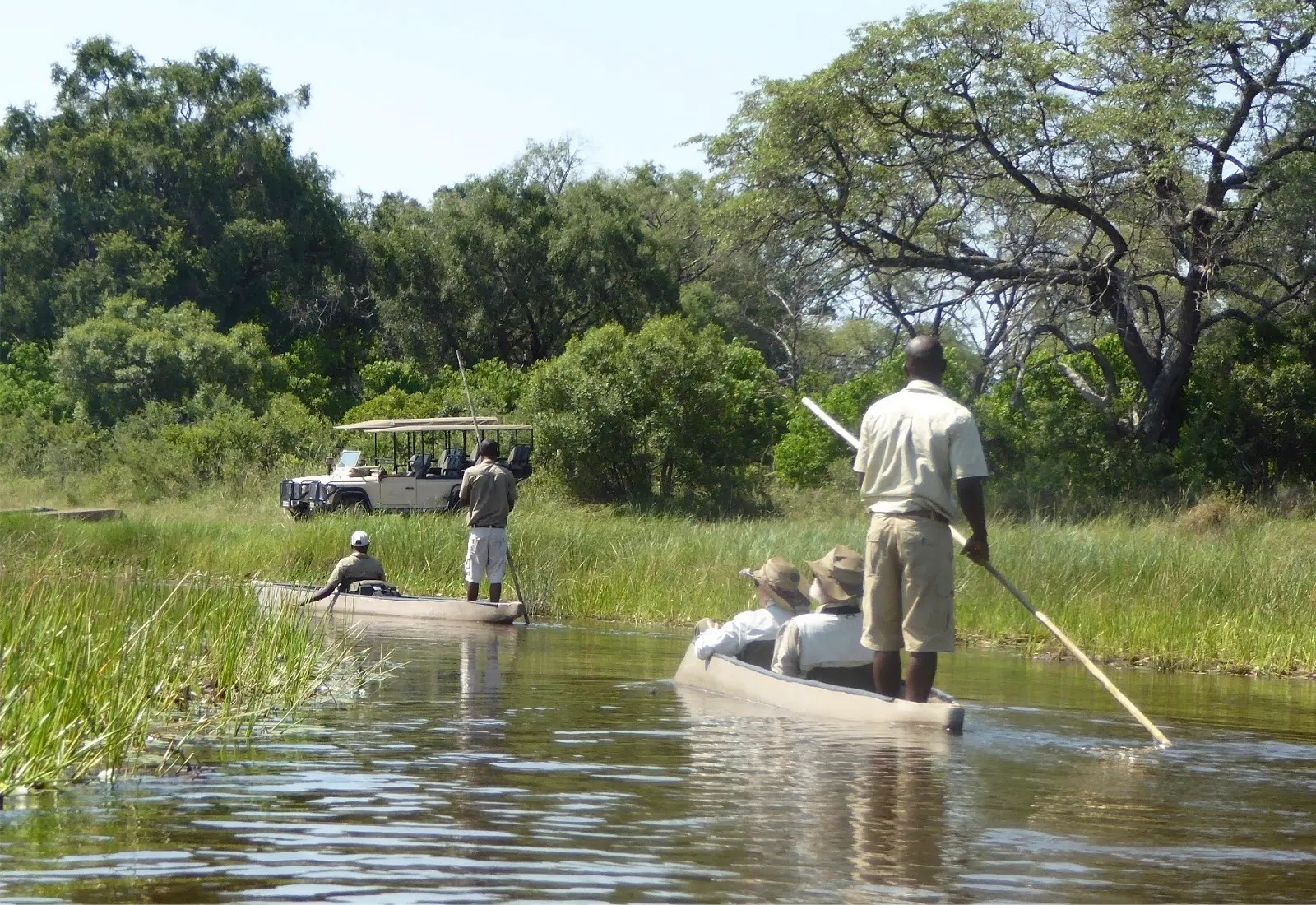
The Covid-19 pandemic created multiple disruptions to how society works: the near-total suspension of global travel was one of these. Where global tourism revenues helped to deliver biodiversity conservation and local livelihoods, the pandemic dramatically altered the trajectory of many local economies.
It is no exaggeration to say that the collapse of wildlife tourism threatens to compromise decades of development and conservation work in nature-rich and emblematic parts of Africa. It also made the frailty of nature conservation and livelihoods dependent on nature-based tourism increasingly apparent. How can we regain what we have lost while building a more resilient future, looking beyond tourism, for people and nature conservation in Africa?
For this initiative, the Luc Hoffmann Institute partnered with the World Wide Fund for Nature, The International Union for Conservation of Nature (IUCN), Maliasili, Vizzuality, Wilderness Safaris, the Regional Centre for Mapping of Resources for Development (RCMRD), The Nature Conservancy, Resource Africa, United Nations Development Programme (UNDP), The Lion's Share, The Global Environment Facility (GEF), Boundless Southern Africa, the African Wildlife Foundation, Fauna & Flora International, and Cordio East Africa.
African Nature Based Tourism Platform
After the Luc Hoffmann Institute successfully incubated the project in 2020, WWF-US hosted the platform with the Global Environment Facility (GEF) as lead funder. Since launching in November 2021, the African Nature Based Tourism Platform has facilitated access to relief and recovery funding for communities, nature-based tourism enterprises, and conservation areas in 11 countries in southern and eastern Africa.
Programme timeline
2020
Incubation
The Luc Hoffmann Institute and WWF-US work on the project document for the GEF, in this final stage of incubation for the Collaborative Platform. WWF-US submits this to the GEF in December 2020. The WWF Regional Office for Africa is confirmed as the host secretariat for the project.
September 2020
Incubation
Commitments of USD 5,269,281 in co-financing received from: the MAVA Foundation, African Safari Foundation, Fauna & Flora International (FFI), the Frankfurt Zoological Society, Maliasili, Resource Africa, Royal African Safaris, The Nature Conservancy (TNC) and the UN Development Programme (UNDP). This funding serves to immediately unlock the GEF-allocated funds.

August 2020
Incubation
The Luc Hoffmann Institute, in collaboration with WWF-US, designs a detailed concept for submission to the GEF for consideration. This intensive process involves the establishment of a clear theory of change and a draft schematic plan to implement the whole initiative. Additional stakeholder consultations take place to develop and strengthen the Collaborative Platform.
July 2020
Incubation
USD 1.9m funding is secured from the Global Environment Facility (GEF) for implementation by WWF-US. WWF-US becomes the formal executing agency for the grant, but consultations are underway with African-based organisations to identify a host that will provide the Secretariat and lead the Platform.

June 2020
Incubation
The Luc Hoffmann Institute invests USD 175,000 into the design process for the Collaborative Platform. The institute works with WWF-US, the Global Environment Facility (GEF) and a range of stakeholders to develop a Medium-sized Project (MSP) proposal for funding to support the further development.
May 2020
Ideation
Watch the video from the 20 May 2020 convening
May 2020
Ideation
On May 20th, the Luc Hoffmann Institute holds an online convening with more than 70 interested parties, to engage with the idea of a Collaborative Platform to address tourism systems in Africa impacted by the COVID-19 pandemic. Following this, the institute mobilises 120+ external key actors in personal consultations.
May 2020
Ideation
The institute shares an outline of the Collaborative Platform concept on 12 May.
2020
Ideation
Luc Hoffmann Institute Advisory Council member Bill Adams writes a piece in his Thinking like a human blog called “COVID-19 and Conservation”, which questions how conservation will be impacted and reimagined in the aftermath of the pandemic.