Trade, Development and the Environment (TRADE) Hub
Ultimately, the TRADE hub aspires to deliver impacts that change the way trade in wild species and agricultural commodities is undertaken in order to benefit both nature and people.
How can we make the global trade of goods with high biodiversity impact more sustainable?
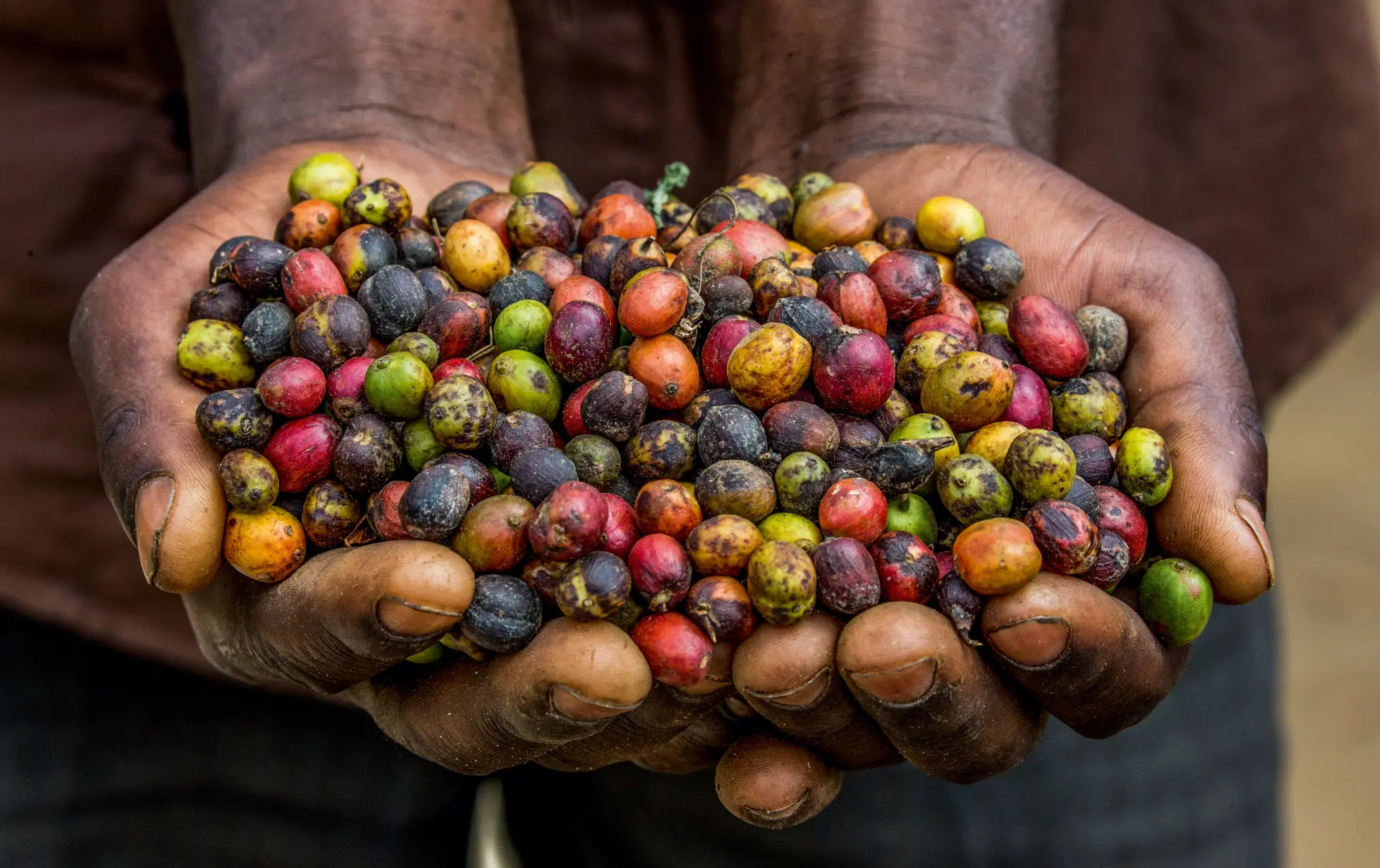
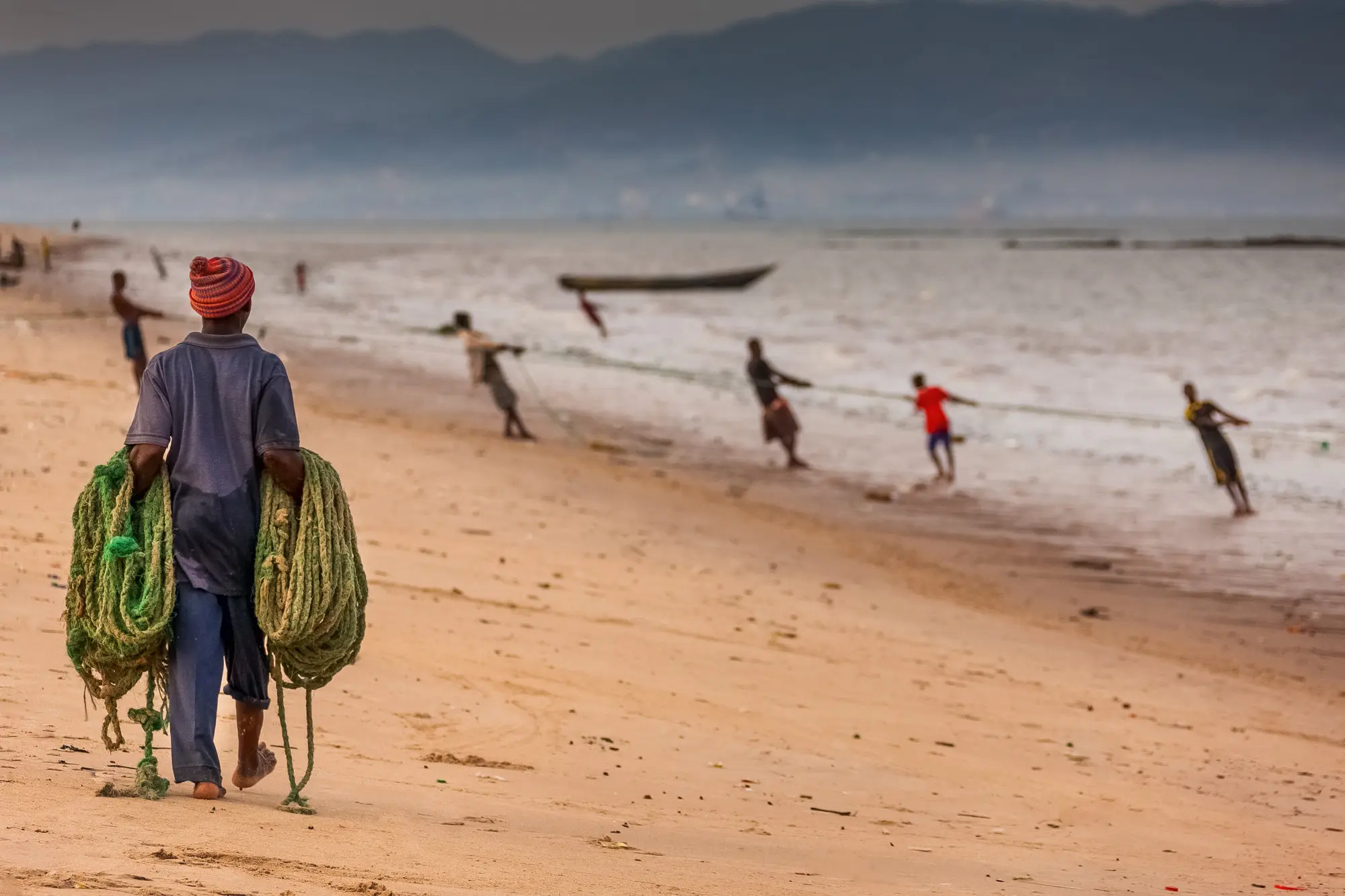
The trade in wild and farmed species has great potential for creating long-term jobs and boosting economic growth, particularly in developing countries. However, overhunting, overfishing and overfarming can lead to population crashes, habitat destruction, and impaired livelihoods for local people.
The TRADE Hub brings together over 50 organisations (industry, trade agencies, academia, governments and civil society) from 15 different countries, all studying various stages of the supply chain and able to reveal damaging links and constructive pathways for sustainable change.
The Luc Hoffmann Institute played a vital role in the co-design and development of the global theory of change that guided the first five years of the initiative’s work programme. The TRADE Hub investigates the trends and impacts of trade in wildlife, wild meat and agricultural goods, tracing their trade globally including Brazil, Cameroon, China, Democratic Republic of Congo, Gabon, Indonesia, Republic of Congo, and Tanzania. Mapping a plant or animal’s journey, all the way from its origin, through trading companies and to the consumer, reveals the full impact of trade on people and the natural world.
The results of the trade mapping will feed into recommendations on how to sustainably produce, trade and consume wild products and goods, as well as help companies to understand their full environmental impact. In addition, a modelling tool will be produced that predicts how shifts in trade routes affect both people and nature. Countries, companies and decision makers can use the model and help to make trade a positive force for sustainable development. The Trade Hub is financed by the UK Research and Innovation’s Global Challenges Research Fund (UKRI GCRF) and led by the UN Environment World Conservation Monitoring Centre.
For this initiative, the Luc Hoffmann Institute partnered with the Asian Institute of Technology (opens in a new tab) and the UN Environment Programme World Conservation Monitoring Centre (UNEP-WCMC) (opens in a new tab).
TRADE Hub
Co-designed and supported by the Luc Hoffmann Institute and led by the UN Environment Programme World Conservation Monitoring Centre, the Trade, Development and the Environment Hub launched in 2019, bringing together 50 organisations from 15 countries in a new global research hub, and £20 million for conservation. It aims to make trade sustainable for people and nature by mapping supply chains, revealing damaging links and uncovering ways to make lasting change.
Programme timeline
July 2019
Acceleration
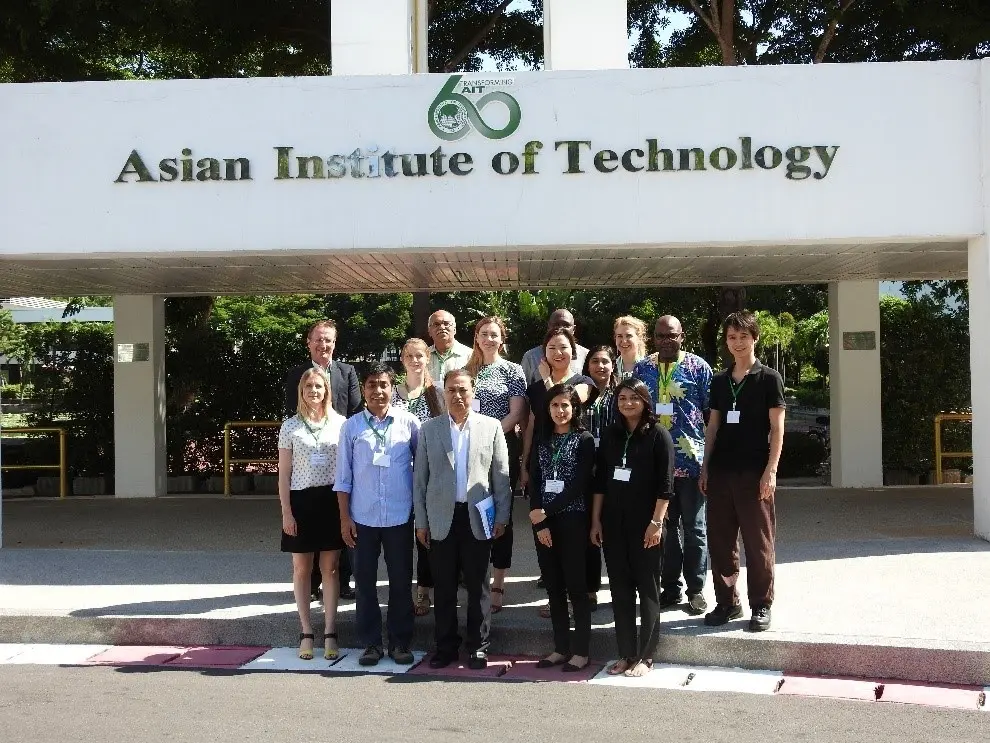
The Thailand Department of Development and Sustainability holds a workshop at the AIT in Thailand to harmonise the theory of change, impact, log frame and risk register for TRADE Hub.
18-21 February 2019
Acceleration
Inception workshop Cambridge
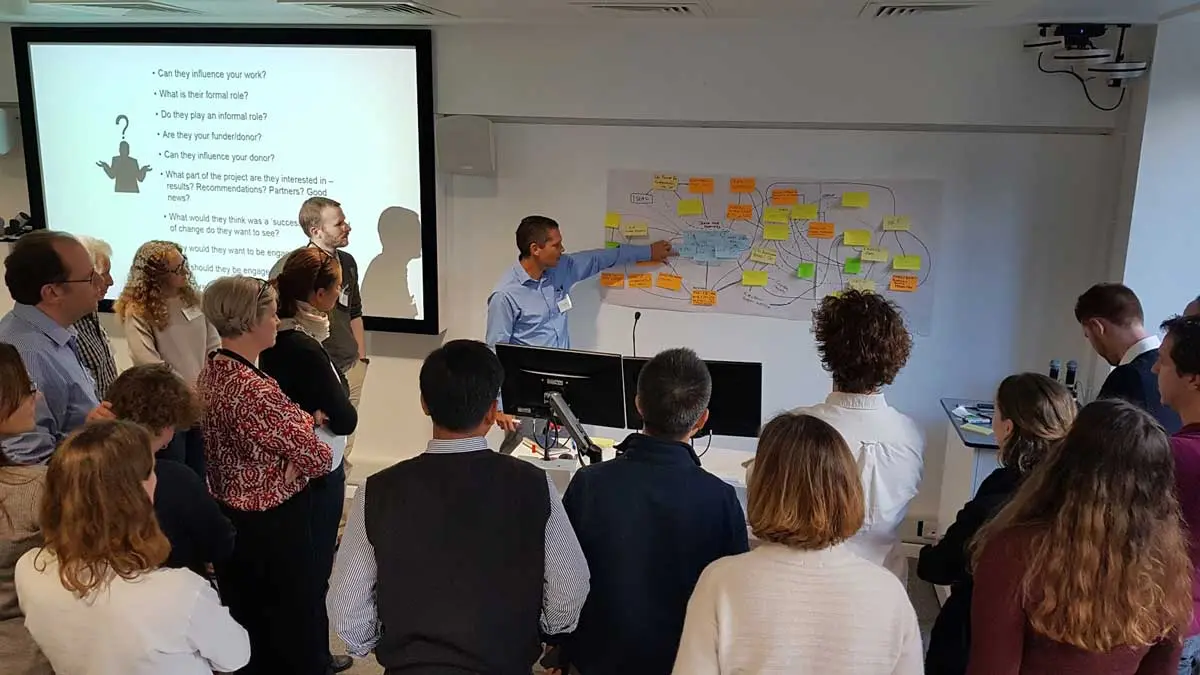
The Luc Hoffmann Institute further contributes to the project theory of change through several workshops (on stakeholder mapping, impacts, log frame development and risk registering). This inception workshop is led by the Luc Hoffmann Institute and the Asian Institute of Technology (AIT).
January 2019
Acceleration
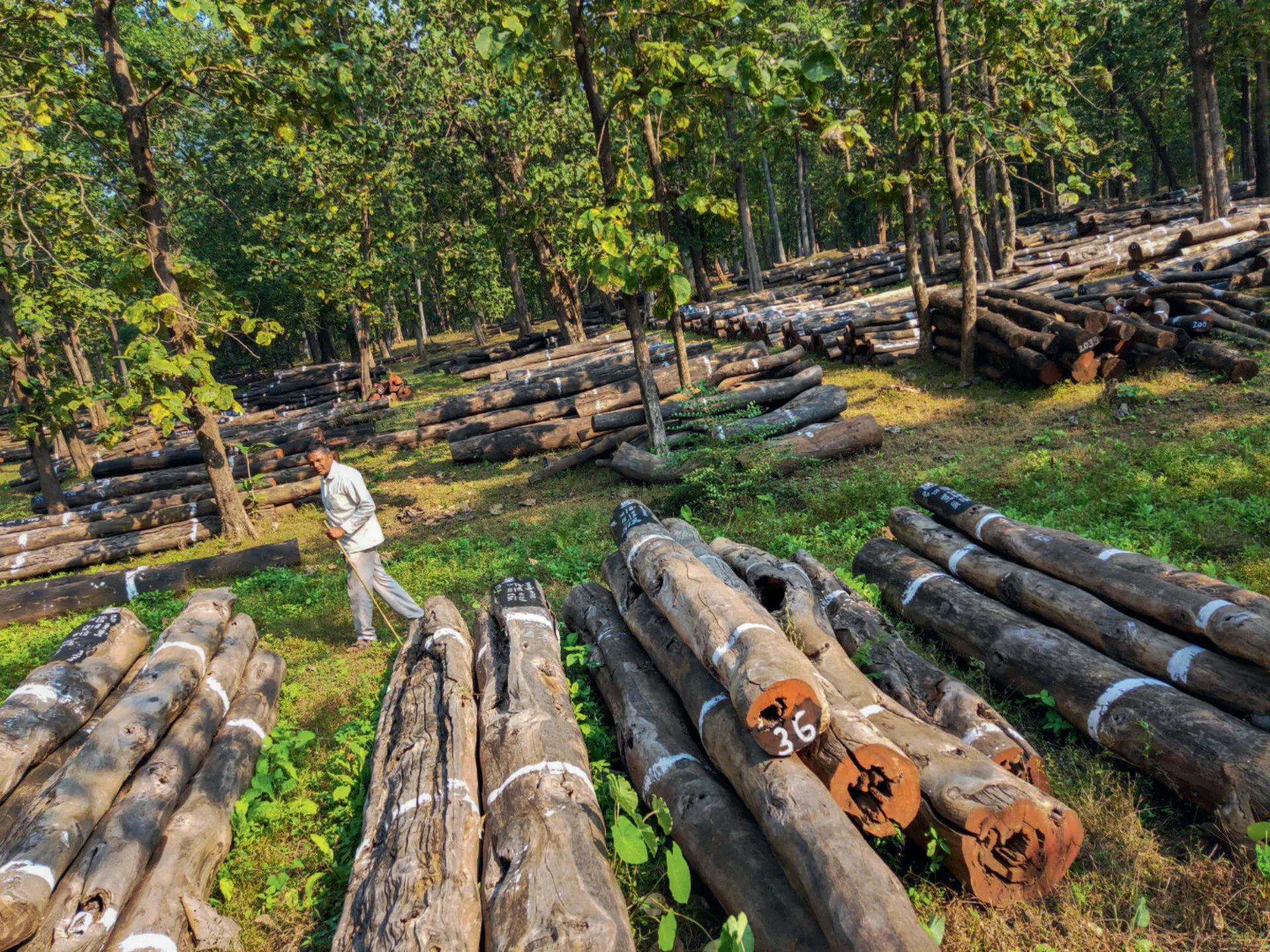
The UKRI-GCRF decides to fund the UKRI-GCRF TRADE Hub, led by the UN Environment Programme World Conservation Monitoring Centre (UNEP-WCMC), GBP 20 million. A new global research hub of 50 partners in 15 countries is created to map goods with high biodiversity impacts in view of making trade sustainable. The institute helped the TRADE Hub to improve its plans, goals and strategies and played a major role in leveraging the GBP 20 million grant.
October 2018
Acceleration
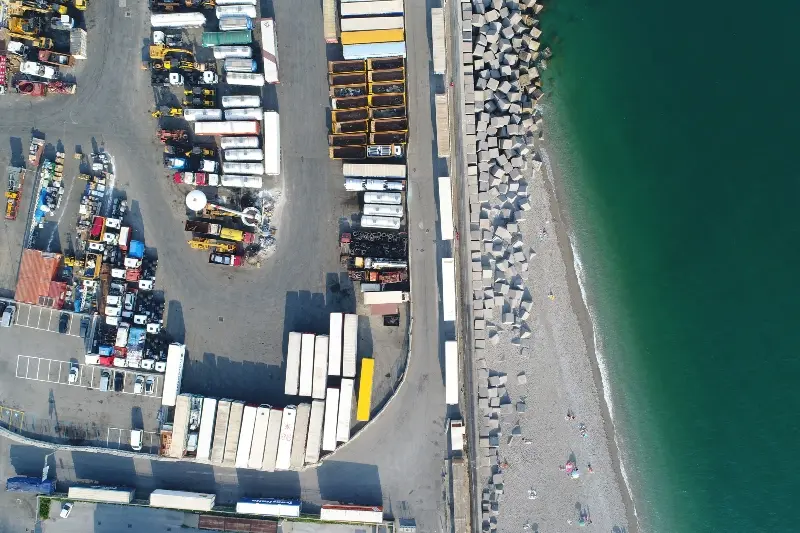
The Luc Hoffmann Institute defends the project proposal with other TRADE Hub leads in front of a global panel of over 15 interdisciplinary experts and the funder (GCRF). In a blog thought piece, Melanie Ryan, Head of Programme (ad-interim) at the Luc Hoffmann Institute, describes the day.
23-27 April 2018
Incubation
First workshops occur to co-design the theory of change for TRADE Hub, gathering inputs from partners from each of the 15 TRADE Hub countries face-to-face, via surveys, and via videoconference. This is part of the core design for proposal submission to the UK Research and Innovation, Global Challenges Research Fund (UKRI-GCRF) in May 2018. The proposal is to map the journey of a range of global commodities, their interdependencies with the wellbeing of communities and how patterns of trade influence positive or negative outcomes around the world.
February 2018
Ideation
Based on a successful collaboration with the Luc Hoffmann Institute in the Development Corridors Partnership, the United Nations Environment World Conservation Monitoring Centre (UNEP-WCMC) invites the institute to lead a theory of change and impact design initiative for TRADE Hub.