Explored how innovative approaches and ways of thinking in both philanthropy and conservation can lead to positive system changes for both people and nature.
(2020–2023)
How can we collectively reimagine integrated, innovative, and impactful pathways for conservation NGOs in a rapidly changing world?
The Future of Conservation NGOs, concluded in 2023, was one of Unearthodox's three projects under the umbrella theme 'The Future of Conservation' (2021-2023). These projects culminated in the Unearthodox Learning Festival in October 2023. For insights and information on each exploration, please visit our Resource Library.
As the climate crisis intensifies and biodiversity loss accelerates, the work of nature conservation organisations is becoming increasingly urgent. The scope of conservation, too, is widening. The conservation agenda – traditionally determined by environmental drivers – is now confronted by the human and social rights agenda.
There is a growing recognition of the interconnectedness of the issues – that the ecological crisis is also a social crisis, a humanitarian crisis.
Context
Keeping pace with a changing world
In recent years, conservation NGOs have come under increasing criticism and pressure, raising questions about organisational culture, racism, colonial legacy, power distribution between Global South and North, and existing funding models. These issues are not unique to conservation NGOs, but they are particularly relevant in light of the urgent need for conservation action.
Further, the context in which nature conservation organisations operate is also rapidly changing. External trends, such as rapid digital transformation, the growing role of the private sector, and the spread of nationalism and urbanisation, are all affecting the work of conservation NGOs.
As the gap widens between the pace at which the world is changing and the pace of change within conservation NGOs themselves, how can we ensure that the conservation sector remains effective and relevant? What would a successful and impactful nature conservation world look like?
The Future of Conservation NGOs project is bringing together a diverse set of voices to reflect on these systemic patterns and their impacts on conservation effectiveness. It is envisioned that this process will help rethink the presence, role and structure of existing conservation NGOs and then co-create integrated and innovative future-relevant pathway(s).
Key themes
Four themes that shape conservation
As part of the Future of Conservation umbrella project (2021-2023), we identified four broad themes that impact conservation effectiveness. These form areas where we believe change is most needed.
Key themes
Power and Legacy
Interdependence and Inclusivity
Communication and Narratives
Operational and Funding Models
Shift mindset, decolonise, and rebalance
There is a need to address and dismantle discriminatory structures, rebalance power, move away from colonial conservation approaches, and address the consequent disparities in the distribution of financial aid and resources.
Sub-themes: Power Imbalance | Principles & Values | Education & Learning | Power & Funding | Mindset Shifts
Diversify, include, and integrate
The conservation sector must embrace a more inclusive approach to external collaborations, and engage with a diverse range of conservation players. The scale of the challenge – encompassing climate change, the ongoing sixth mass extinction of species, water scarcity, pollution, inequity, poverty and more – means that solutions require new and unexpected forms of cooperation among different actors.
Sub-themes: Partnerships & People | Interdisciplinarity & Interdependency
Challenge, listen, and reframe
Nature conservation’s dominant Global North narratives need to be questioned, challenged and reframed. We need to bring together not just different narratives but, crucially, different and plural voices embedded in shared knowledge, values and visions.
Sub-themes: Communication Methods & Tactics | Power & Communication | Changing Narratives
Simplify, cooperate, and reimagine
The conservation sector is constrained by both a traditional linear approach to solving problems and a short-term, project-based approach. This often leads NGOs to miss the big picture and struggle to obtain limited, short-term financing. With a multitude of interdependent and complex social, environmental and economic challenges, the conservation sector needs to reimagine and redesign its operational, financial and governance models.
There is a need to address and dismantle discriminatory structures, rebalance power, move away from colonial conservation approaches, and address the consequent disparities in the distribution of financial aid and resources.
Sub-themes: Power Imbalance | Principles & Values | Education & Learning | Power & Funding | Mindset Shifts
Winning ideas
The Future of Conservation NGOs Innovation Challenge
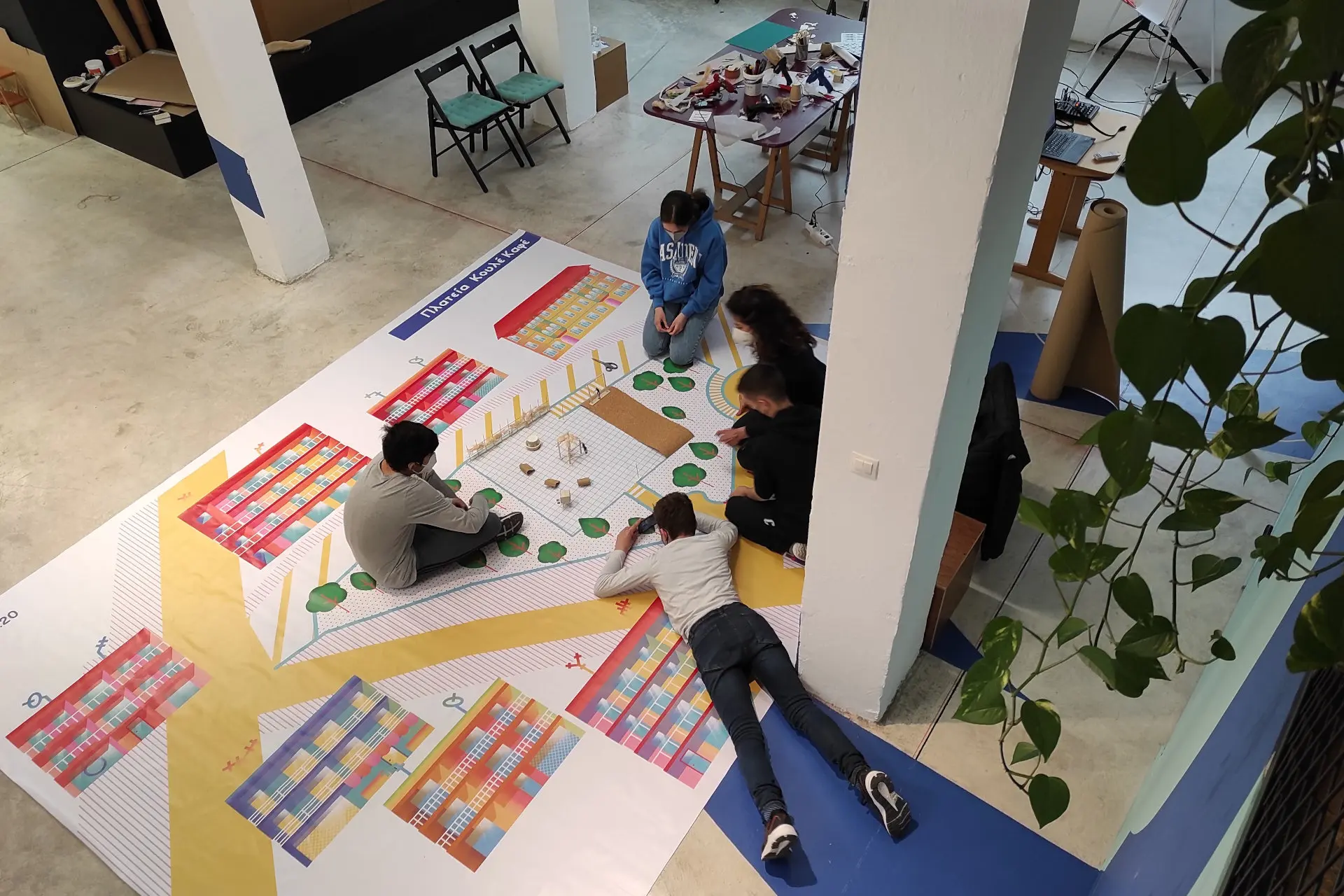
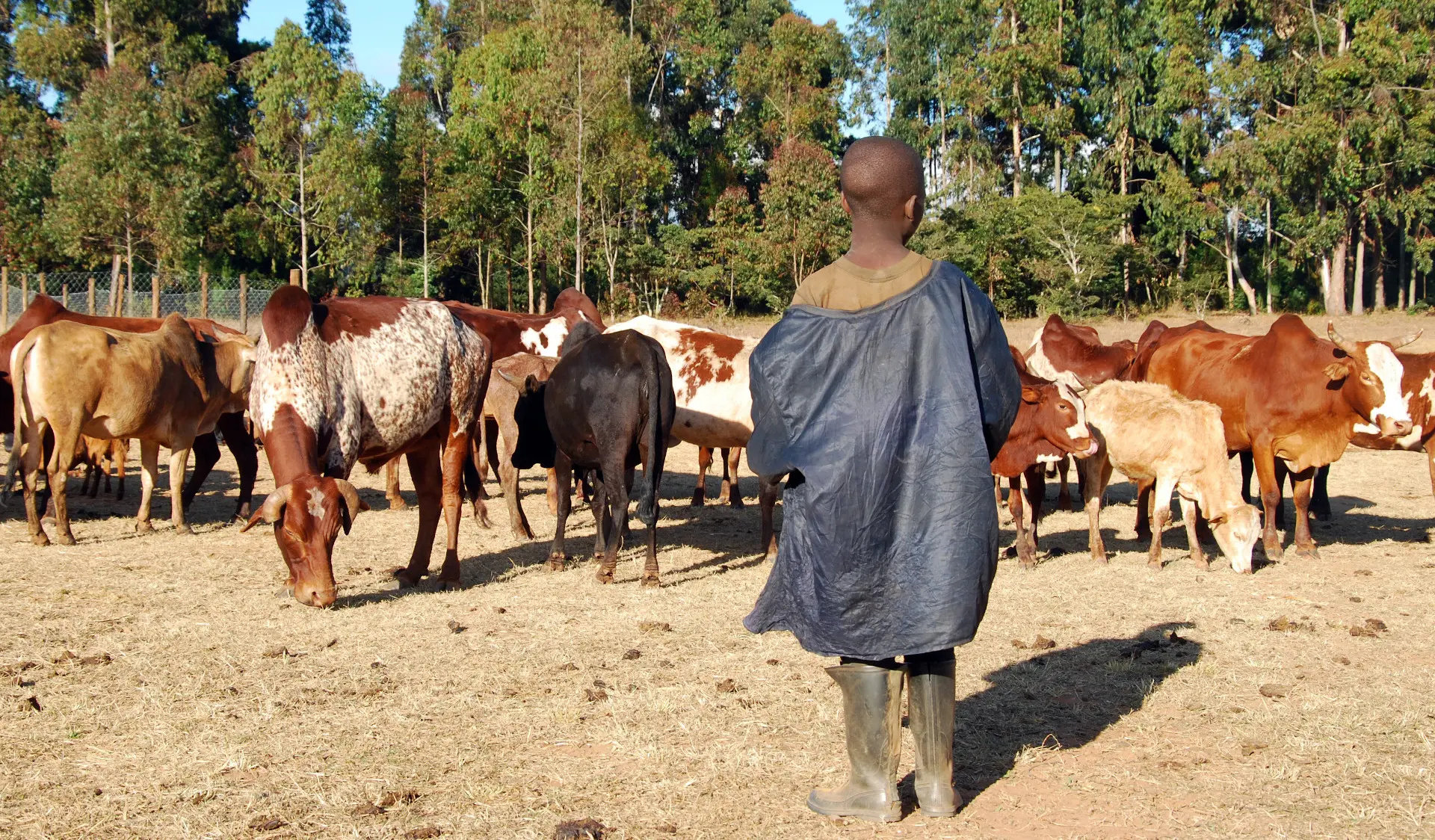
The nine winners of the innovation challenge are announced after a rigorous evaluation process involving a review by a diverse panel with a range of expertise. The winning ideas represent a wide array of conservation efforts – international, local, rural, and urban – from coastal communities in Maldives to the urban population in Greece.
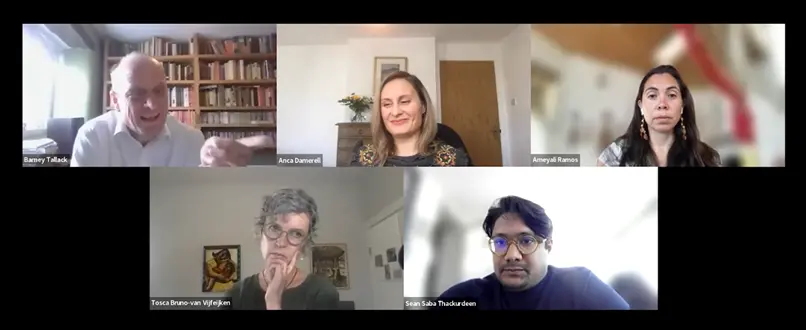
A lively panel of experts discusses the findings of the research report, Exploring possible futures for conservation NGOs. Held on 6 April 2022 and moderated by Anca Damerell, then Head of Programme at the Luc Hoffmann Institute.
Our Innovators
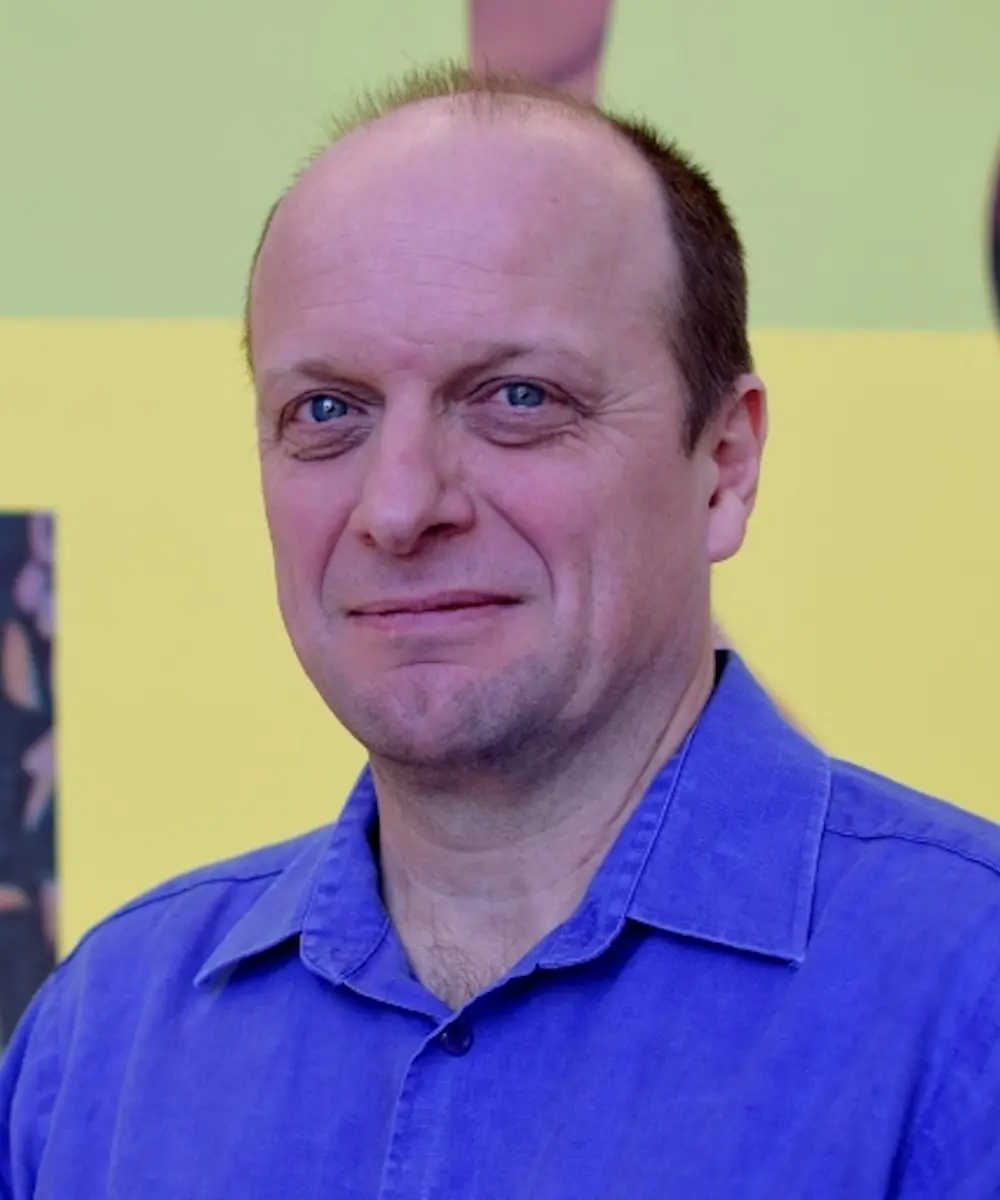
Ilias PapagiannopoulosInnovatorGreece
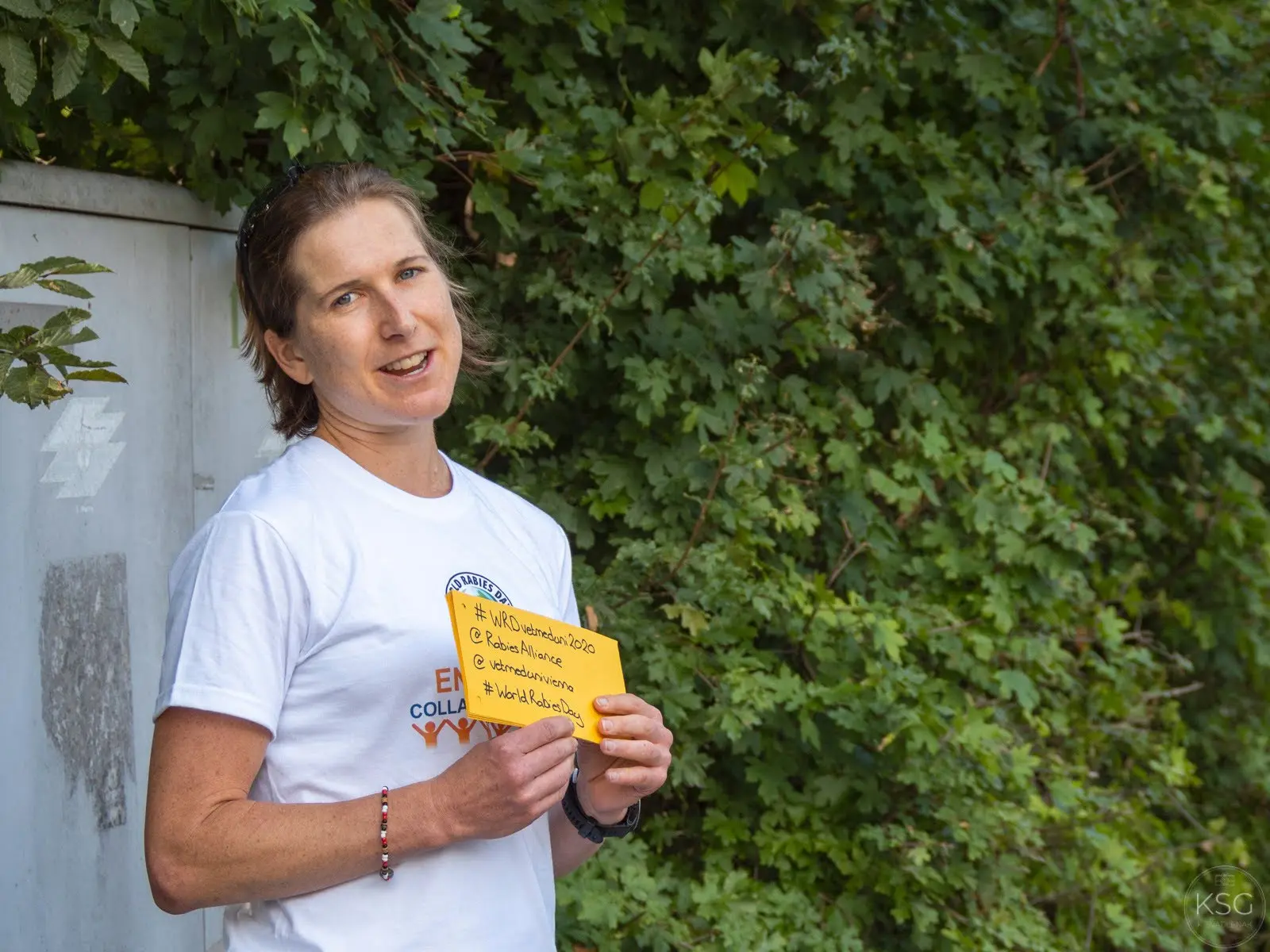
Anna HawInnovatorSouth Africa
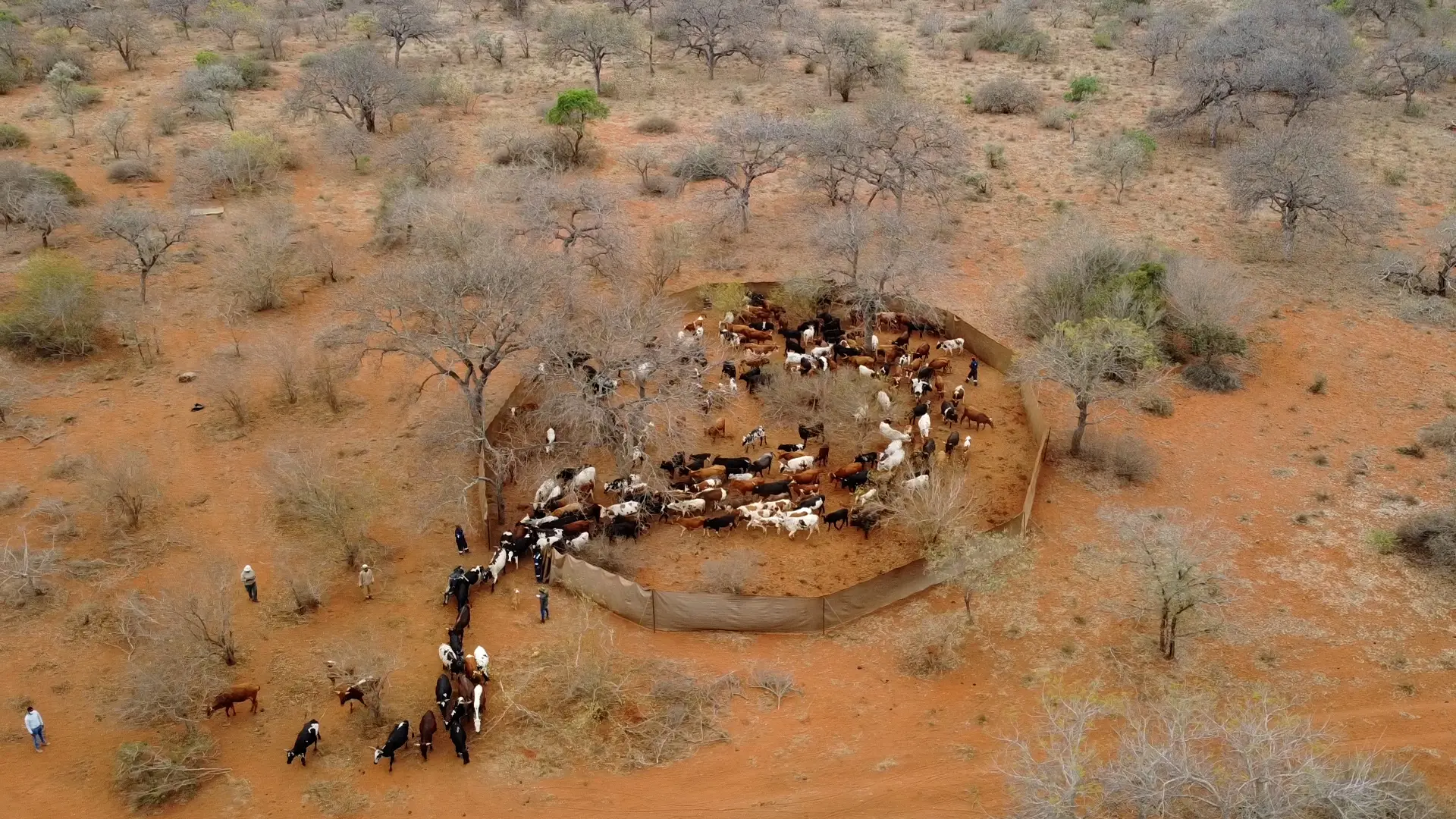
Herding for HealthInnovatorSouth Africa
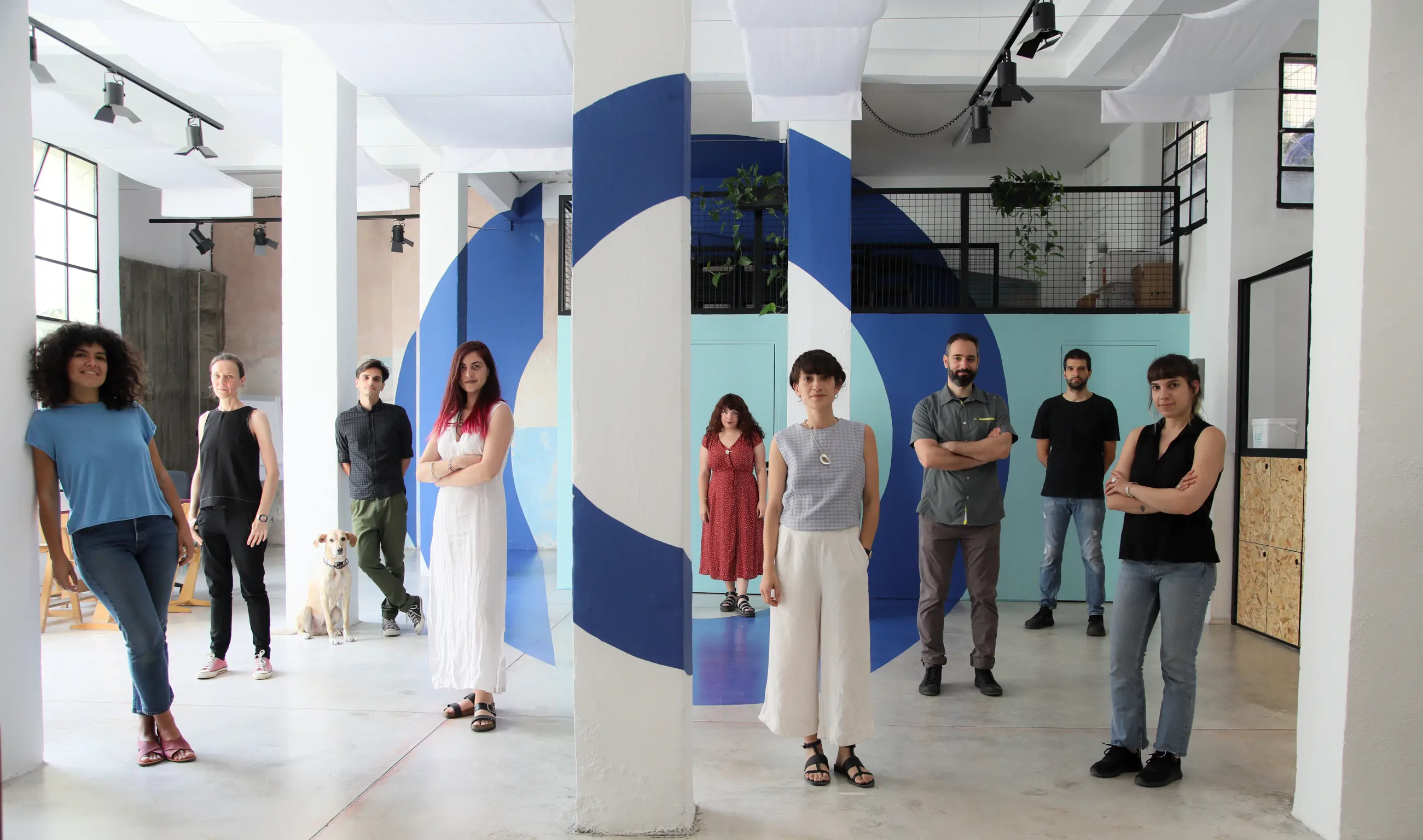
Kyklos | IncommonInnovatorGreece
Sofia Petridou InnovatorGreece
People involved
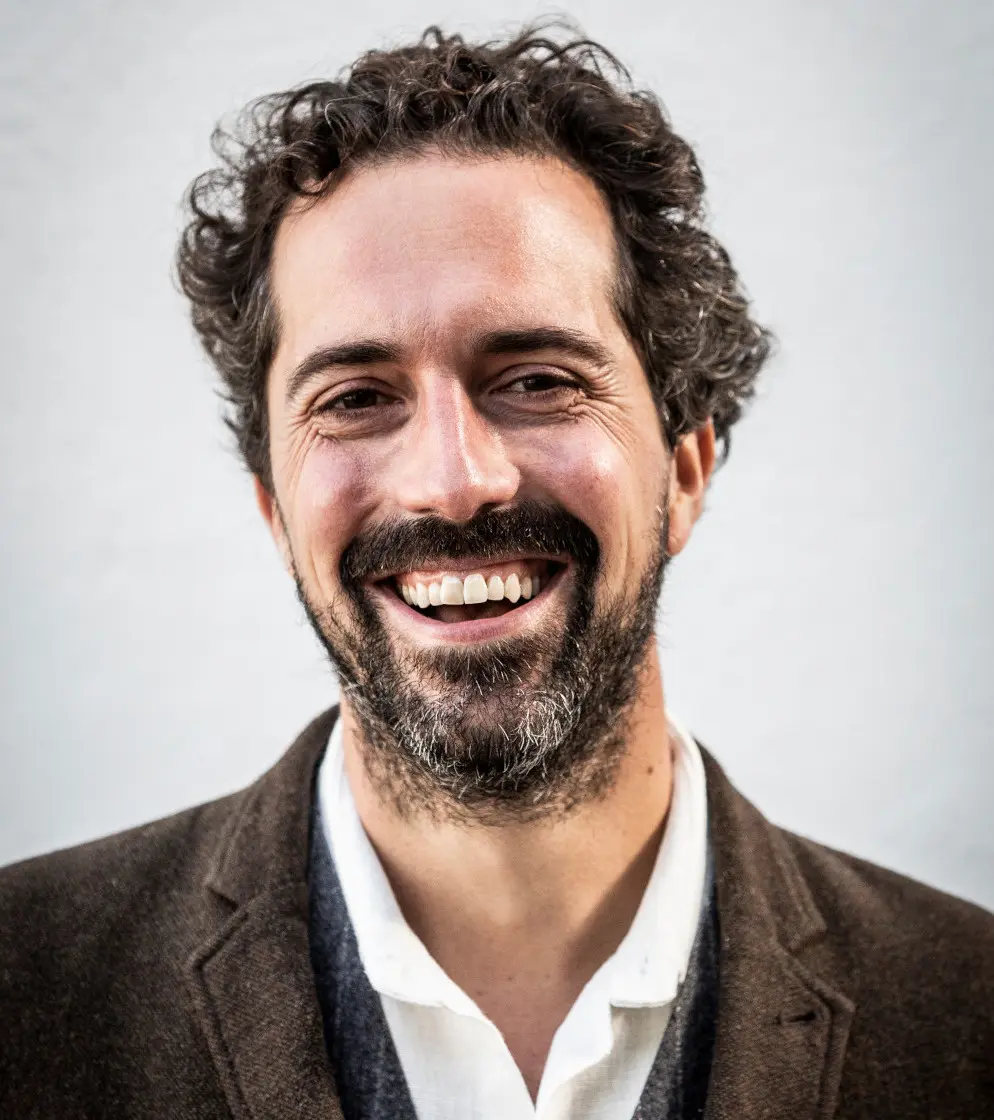
Barney TallackCollaboratorUnited Kingdom
Ilias PapagiannopoulosInnovatorGreece
Anaïk Anthonioz BlancTeamSwitzerland
Anna HawInnovatorSouth Africa
Bruno LaceyCollaborator
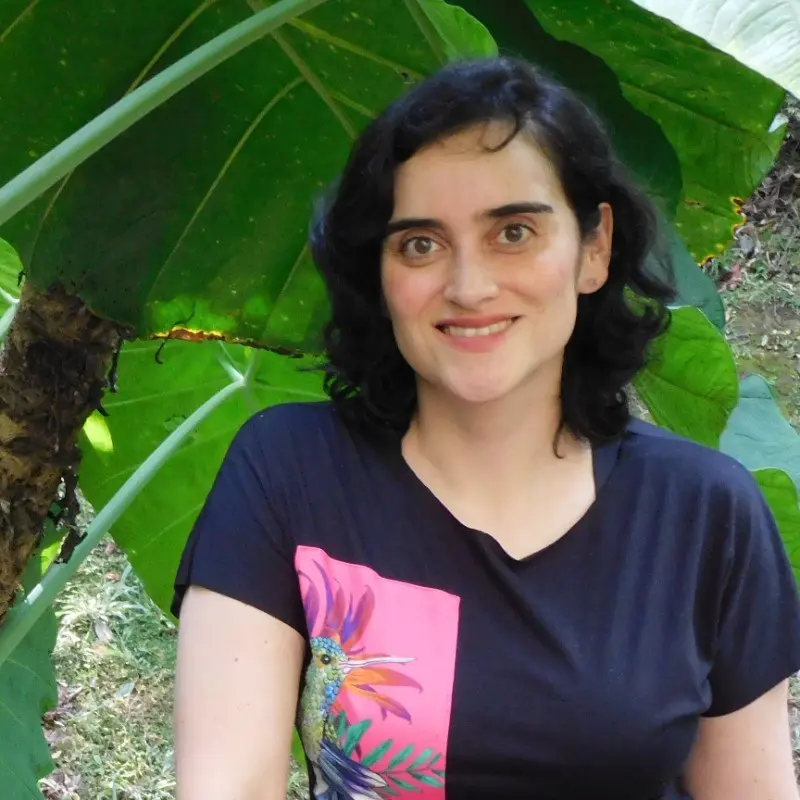
Carolina Soto VCollaboratorColombia
Eva RehseCollaboratorUnited States
Herding for HealthInnovatorSouth Africa
Jessica VillatCollaboratorFrance
Kyklos | IncommonInnovatorGreece
Lashanti JuppCollaboratorBahamas
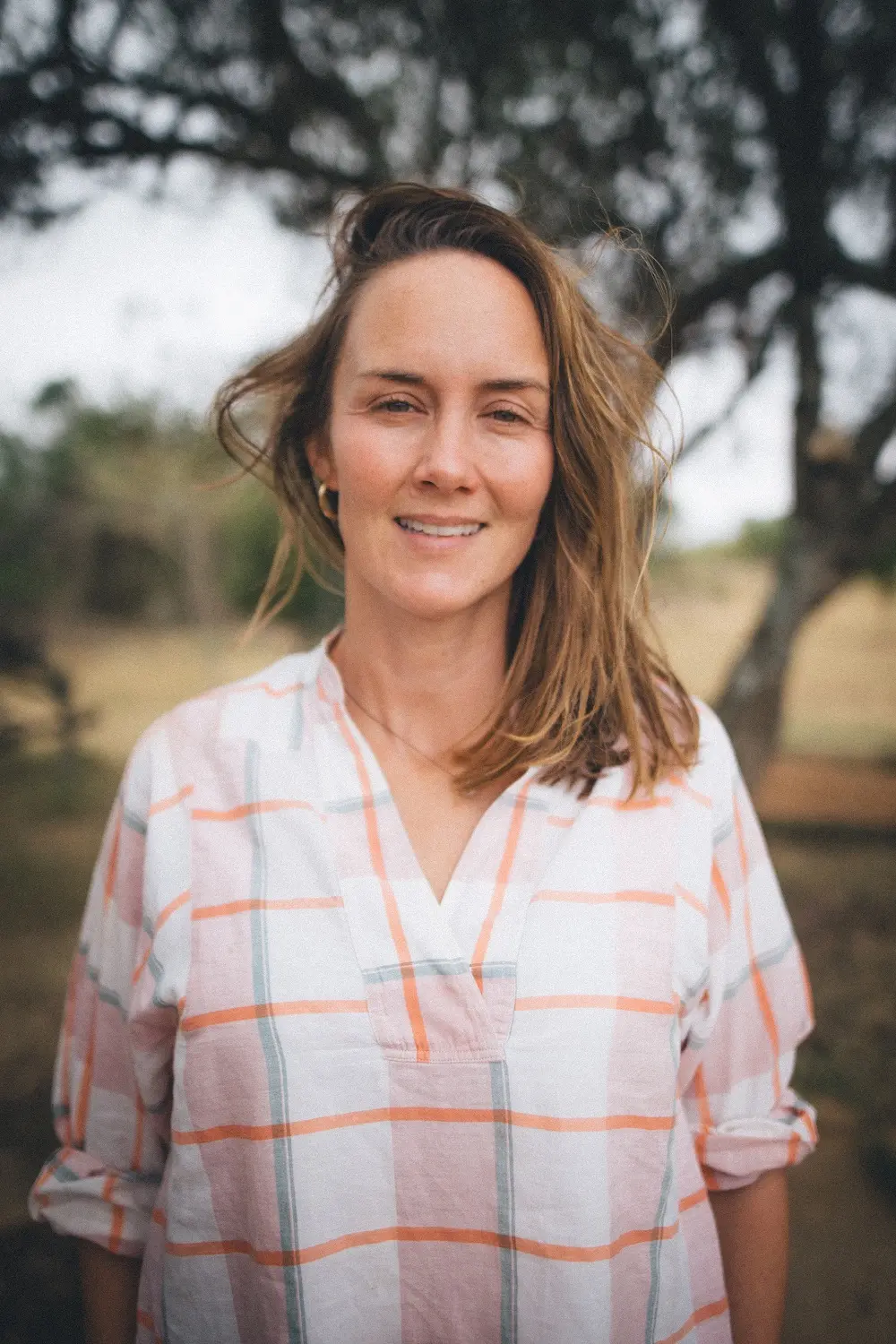
Lauren EvansCollaborator
Programme timeline
November 2023
Incubation
Bruno Lacey, Programme Manager for Impact Hub, ran the Future of Conservation NGOs Innovation Challenge incubation and co-learning programme alongside the Unearthodox team. He reflects here on being part of the process.
This Q&A with Samirah Siddiqui and Tasnim Elboute is the fourth in a series with our Future of Conservation NGOs innovation challenge winners. Project In/Visibility seeks to challenge the dominant conservation narratives by introducing new perspectives and lived experiences from the very heart of communities.
This Q&A with Lauren Evans is the third in a series with our Future of Conservation NGOs innovation challenge winners. Through her transformative work with Human Nature, Lauren Evans is spearheading a conservation revolution.
This Q&A with Ilias Papagiannopoulos and Sofia Petridou is the second in a series with our Future of Conservation NGOs innovation challenge winners. Team Kyklos is pushing boundaries by challenging the status quo in urban problem solving with an emphasis on circularity, equality and social inclusion.
This Q&A is the first in a series with our Future of Conservation NGOs innovation challenge winners. See how Anna Haw is challenging the status quo through the H4H initiative, a partnership programme between the Peace Parks Foundation and Conservation International.
In this insight piece Sudha Iyer, Communications Consultant for the Future of Conservation NGOs project, asks how the conservation sector can collaboratively build a future that is equitable and regenerative.
In this interview Eva Rehse, Director of Strategy and Global Collaboration at the Global Greengrants Fund, shares her views on understanding interconnectedness, embracing complexity and redesigning the future of conservation funding.
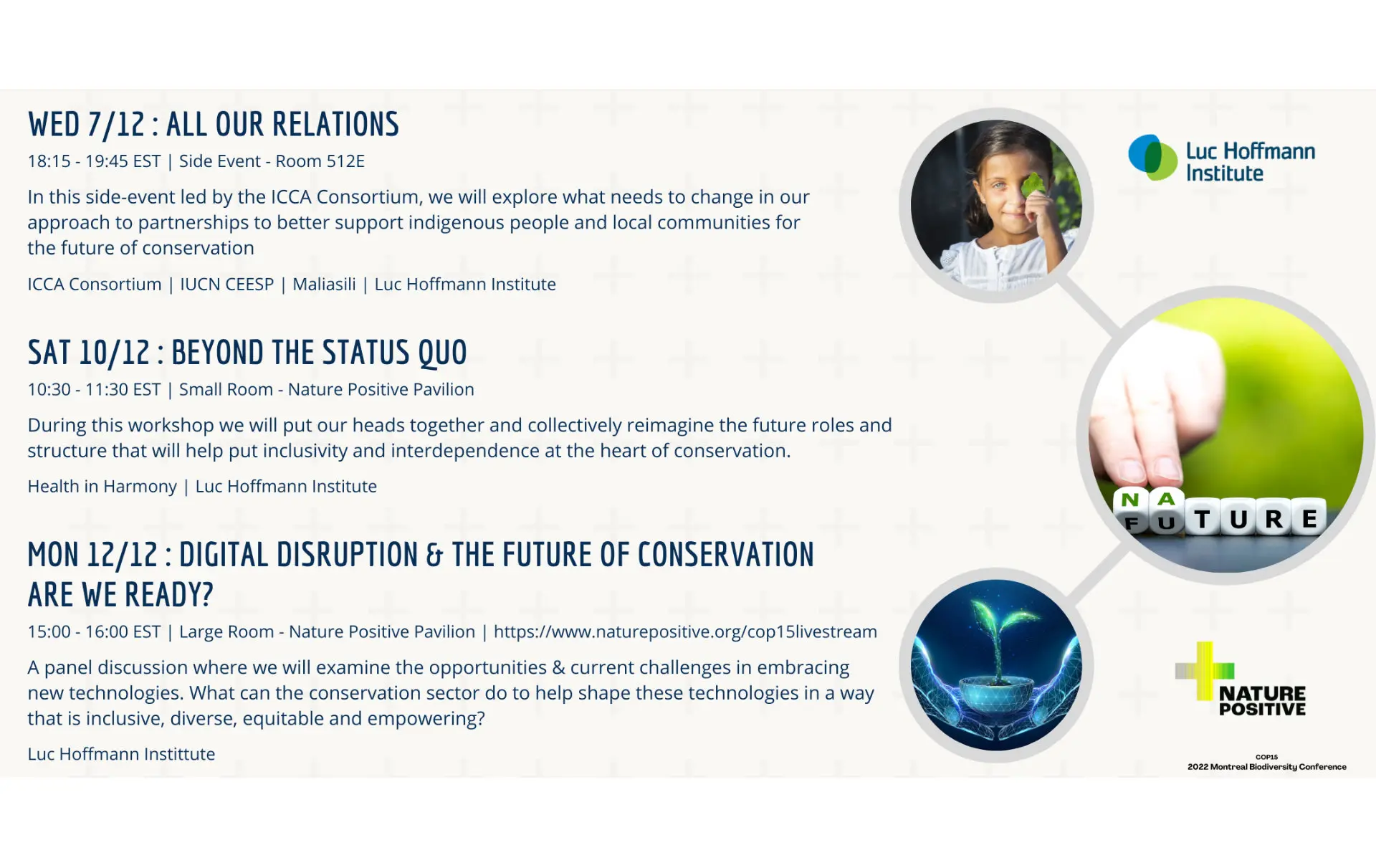
The Luc Hoffmann Institute participates in the United Nations Biodiversity Conference (COP15) in Montreal, hosting and co-hosting several events on the future of conservation and how to collectively find pathways to put inclusivity and interdependence at the heart of conservation.
November 2022
Ideation
In this insight piece, Saba Sean Thackurdeen, a conservationist and anthropologist, explores ideas on how the conservation sector can confront its uncomfortable colonial past and address it in its modern-day legacy.
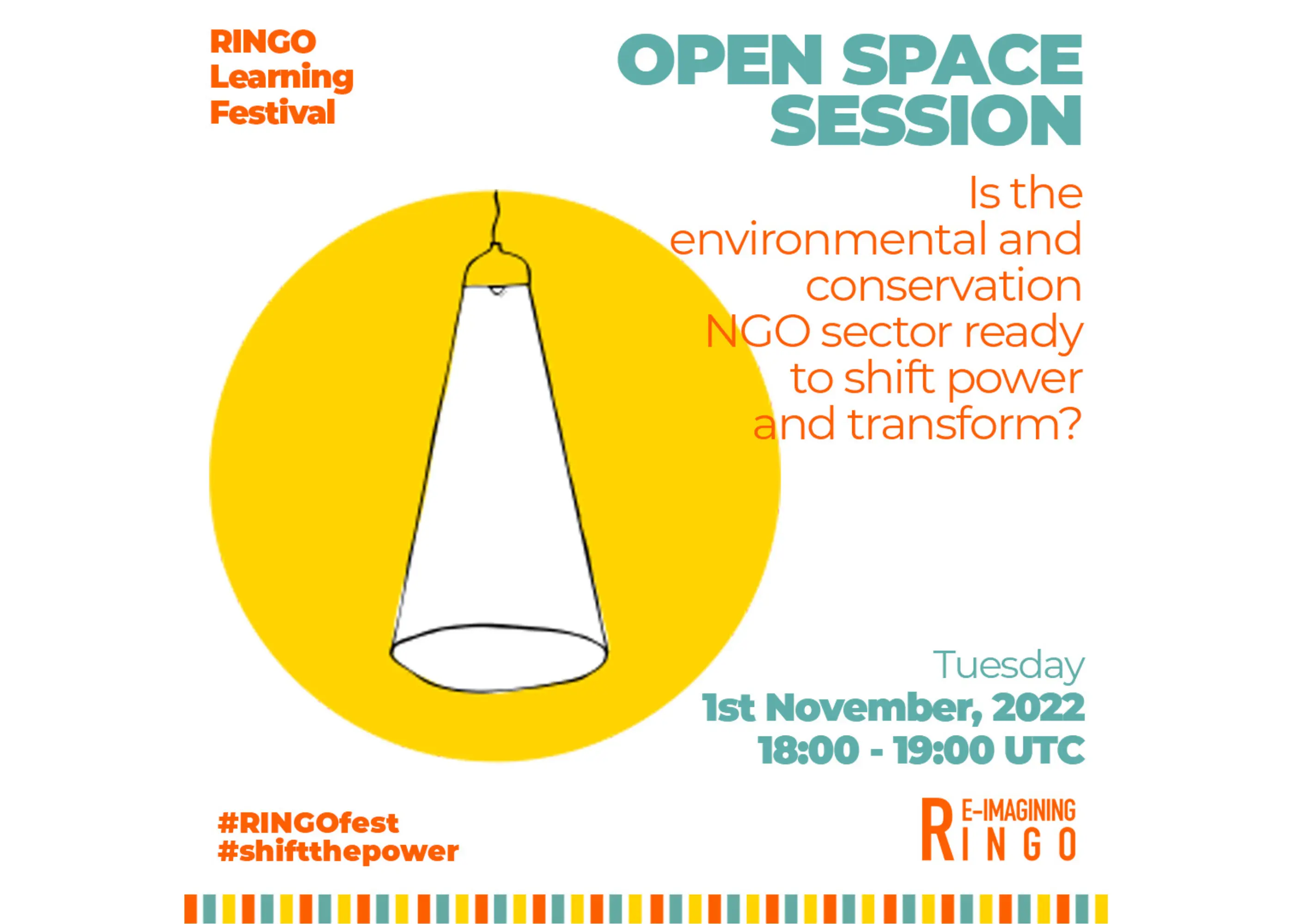
The Luc Hoffmann Institute participated in a learning festival hosted by the ‘Re-Imagining the INGO (RINGO)’ project. Along with Eva Rehse, Director of Strategy and Global Collaboration at Global Greengrants Fund, we asked, “Is the environmental and conservation sector ready to shift power and transform?”
July 2022
Ideation
The Luc Hoffmann Institute, together with the IUCN Commission on Environmental, Economic and Social Policy (IUCN-CEESP), Impact Hub and the winners of the Future of Conservation NGOs global innovation challenge collectively participate in an incubation and co-learning programme to further develop the winning ideas with the aim to operationalise transformative change.
June 2022
Ideation
Nine winners of our innovation challenge are announced after a rigorous evaluation process involving a review by a diverse panel with a range of expertise. The winning ideas represent a wide array of conservation efforts – international, local, rural, and urban – from coastal communities in Maldives to the urban population in Greece.
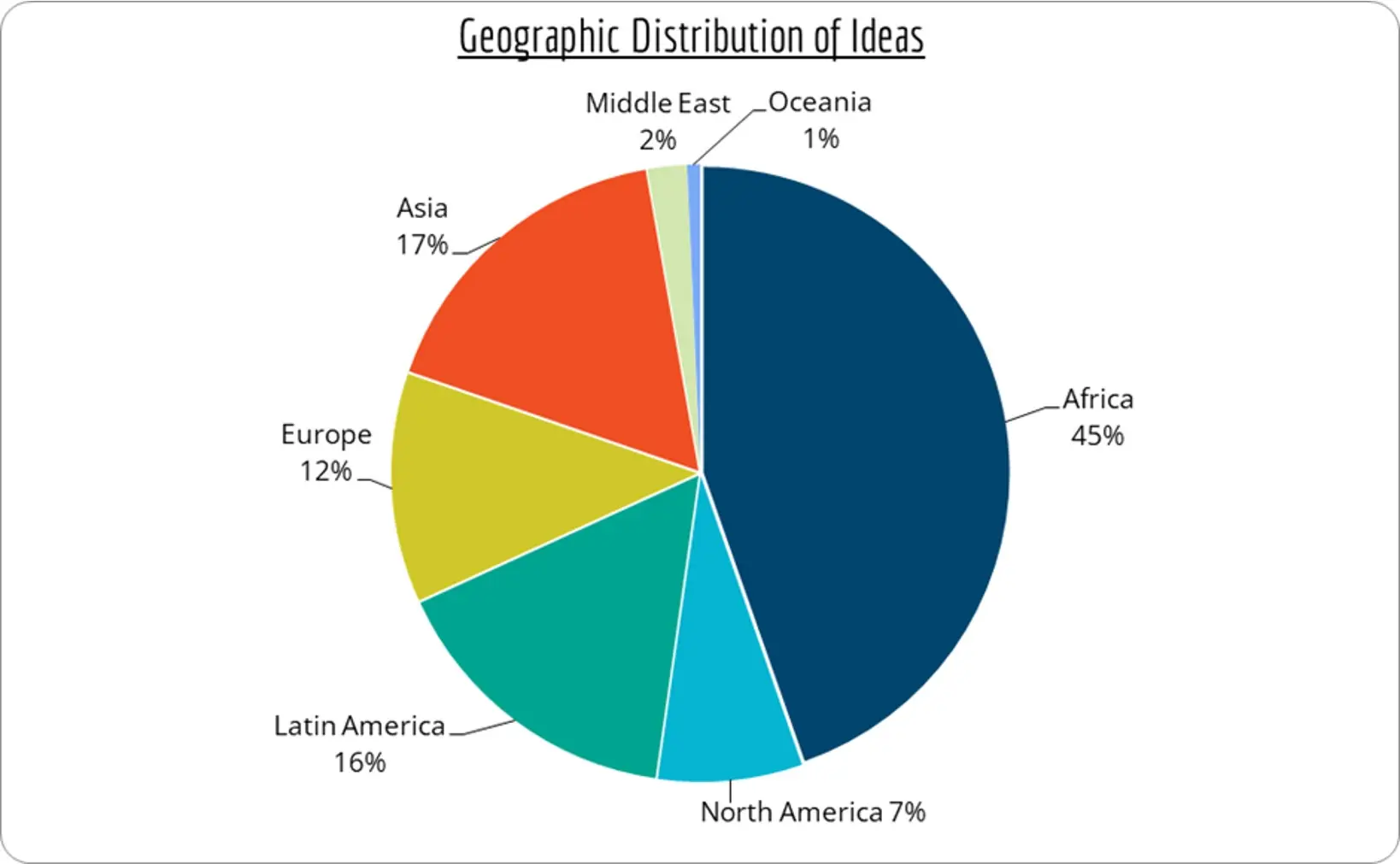
A total of 173 applications are submitted to the innovation challenge by individuals and teams from 58 different countries. This infographic shows the geographic spread of ideas.
May 2022
Ideation
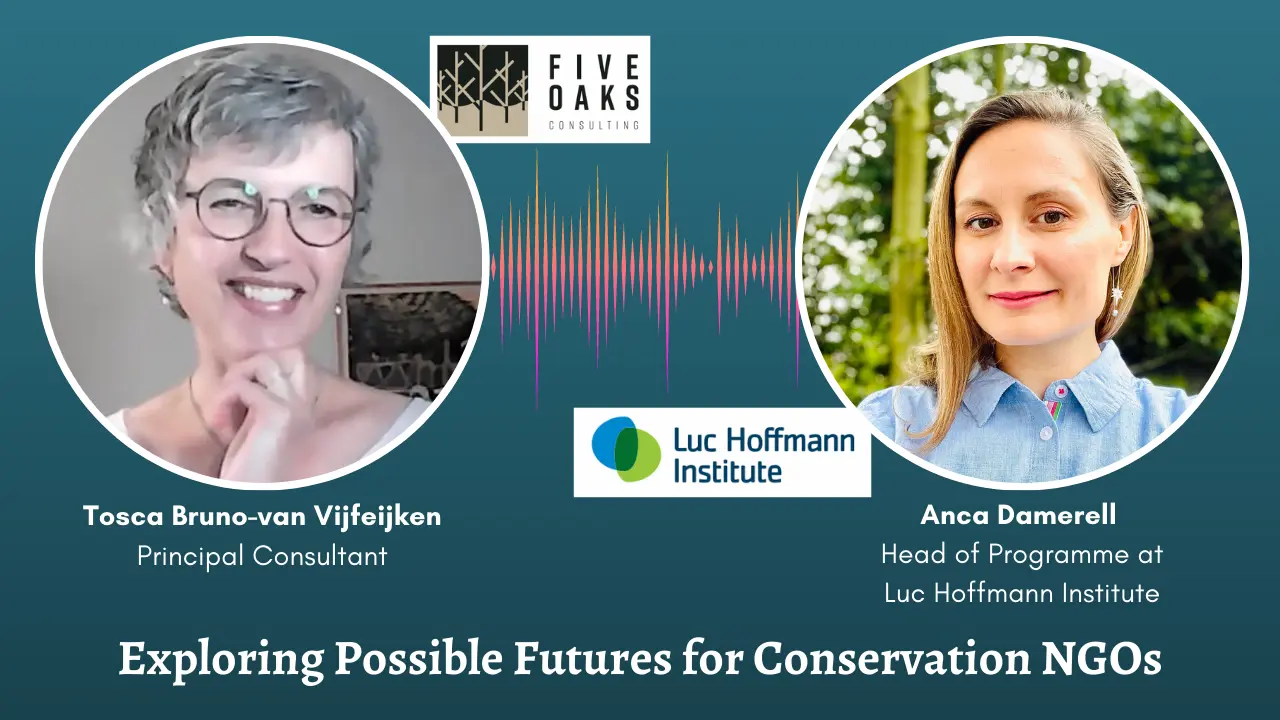
What is the future for conservation NGOs? Is there a future? If so, what kinds of roles, mandates, organisational cultures and capabilities do the conservation NGOs of the future need to embrace? Our Head of Programme, Anca Damerell, is a guest on the NGO Soul + Strategy podcast (episode #38) with Tosca Bruno-van Vijfeijken discussing what the future of conservation looks like.
The Future of Conservation NGOs Innovation Challenge seeks innovative ideas for transformative change. A webinar is co-hosted by the Luc Hoffmann Institute along with IUCN-CEESP and Impact Hub, featuring an informational session about the innovation challenge and live Q&A, as well as short inspirational talks by Martin Kalungu-Banda (Presencing Institute), Ameyali Ramos (Deputy Chair, IUCN-CEESP), Bruno Lacey (Global Associate, Impact Hub) and Anca Damerell (Head of Programme, Luc Hoffmann Institute).
How might we reimagine conservation work to effectively respond to and help shape a rapidly changing world? What are the trends impacting conservation work? What are the barriers to and enablers of change in conservation NGOs? Together with the authors of the analysis report “Exploring possible futures of conservation NGOs”, the Luc Hoffmann Institute hosts a panel discussion that delves into the findings of the report, examines these questions, and presents 15 potential roles for conservation NGOs, each one based on a possible future state of the world.
Applications open for a global challenge to drive innovation and support solutions that proactively address the deep-rooted issues facing conservation non-governmental organisations (NGOs) and help build a just, inclusive and regenerative future.
The Luc Hoffmann Institute publishes “Exploring Possible Futures for Conservation NGOs‘’, a report examining the trends impacting and shaping conservation work and the barriers to and enablers of change in the conservation sector. It presents 15 possible futures and related roles for conservation NGOs intended as a starting point for radical thinking and discussions.
Two virtual sessions on the topic, “What is the future of conservation NGOs?” are held, bringing together 41 conservation practitioners, academics, researchers, strategists, activists, fund managers, science communicators and supporters. The group shares insights, thoughtful deliberations and the intention to work together to reimagine the conservation sector.
A reflective journey on what the future of conservation NGOs could look like begins at the Luc Hoffmann Institute. The idea is inspired by various projects already incubated by the Luc Hoffmann Institute and their insights into some of the key challenges for the conservation sector, like the need to reimagine existing relationships and power structures as well as to find new engagement and funding models.