Anthology of Regenerative Futures
A Tapestry of Voices
- Programme
- Themes
Anthology of Regenerative Futures
A Tapestry of Voices
The Anthology of Regenerative Futures is a deep exploration of the concept of regeneration. The following four chapters of this Anthology weave together four different but interconnected explorations of what it means to live and act regeneratively. It is a collection of voices, stories and memories that reflect the many ways that regeneration is understood and practised around the world. Rather than attempting to define regeneration, the Anthology gathers lived experiences, questions, tensions and gestures that reveal regeneration as a relational and more-than-human process.
Foreword

If I were to begin this story where it truly began, I wouldn’t start at the beginning. I would start in the middle.
The middle is where the Earth shifts. Where what we thought we could hold starts to slip through our fingers. It’s where clarity dissolves, and something more human, more relational, begins to take shape.
This anthology was born in such a middle – a messy, transformational, often painful space. And I’ll be honest: when we first imagined holding this process from within an organisation, I didn’t quite realise how much unlearning it would ask of each one of us. Naively, I thought I could facilitate it. I thought I could support it, holding space from the sidelines without being drawn too far into it. I hadn’t yet understood that regeneration doesn’t just require new methods, it asks for a new self.
At Unearthodox, our vision is a world with diverse and equitable societies that value and actively regenerate nature. We work to drive systems change through social innovation by nurturing new ideas and collaborations so that nature and people can thrive together. This anthology is one small part of that work, and it has challenged us to live our values from the inside out.
Letting go and making space for the co-leads to shape this work, especially when our epistemologies were very different, was not just about redistribution or reparations. It was about trust. About surrender. About sitting with the discomfort of not knowing and not fixing, and letting myself be changed in real time.
Some moments asked more of us than we thought we could give. There were ruptures. There were unintended harms caused. But through it all, something essential held: the collective choice to stay. To stay with the emotions, with the tensions, with the plurality of truths. To stay with each other.
This kind of work can’t be measured in deliverables or diagrams. The real shifts – those of culture, mindset and relationship – don’t show up in a logframe. They happen in the silences between meetings. In the tremble of an apology, a text message, a feeling in the body that doesn’t sit right, in the sleepless nights, wondering and revisiting the thoughts. In the moment someone decides to listen instead of defend.
What we’ve come to understand is that regeneration is not something you define. As I heard it many times in this group, it is a birthright and something you cultivate and practise daily. And practice is messy when the origins are forgotten. It asks us to sit with discomfort. To learn a slower, more reciprocal language, one rooted in care and repair.
This anthology doesn’t offer answers. It’s not a set of takeaways. It’s a living weave of voices, offered across geographies, ancestries and ways of knowing. Each one is a glimpse into what regeneration feels like, what it costs and what it calls us towards.
To everyone who stepped into this work, whether as a contributor, co-lead or part of the internal team, I see you. I honour your courage. Thank you for the trust, the truth-telling and the staying. This would not have been possible without your willingness to hold discomfort, to be reshaped by the process and to carry each other through.
And to those encountering this work now, I invite you to ask not just what you learned from it, but how it moved you. How it might change you. How it might ask something new of you.
Welcome to the middle. The place where everything begins to shift.
Anca Damerell
Director of Innovation at Unearthodox
How to read this Anthology
This anthology invites readers to wander rather than follow a fixed, linear path. Its chapters offer multiple entry points into the wider conversation on regeneration, each presenting a unique lens, story, or way of knowing. Begin wherever you feel drawn, let intuition lead reason, curiosity guide your way. Rather than a linear report, this is a living body of reflections, inviting each reader to find their own path through its many voices and meanings. Take a breath and let the journey unfold.
Reader advisory
This Anthology includes narratives and case studies that explore histories and contemporary realities of conflict, displacement, and colonial legacies. Some accounts may evoke distress or discomfort, particularly for readers connected to the places or communities discussed. Examples include the story of Bougainville, Papua New Guinea, which reflects on the impacts of resource extraction and conflict; alongside other recent histories that continue to shape lived experiences today. We share these stories with care and respect, recognising their sensitivity and the resilience of the peoples and places they describe.
Responsible AI use statement
Unearthodox is committed to the responsible use of emerging technologies. Human authors were responsible for the creation and development of this Anthology while human editors and reviewers provided editorial and linguistic assistance for this Anthology. Some generative AI tools may have been used to support language, clarity or flow; any incidental AI assistance, if used, was subject to human oversight and review.
Introduction
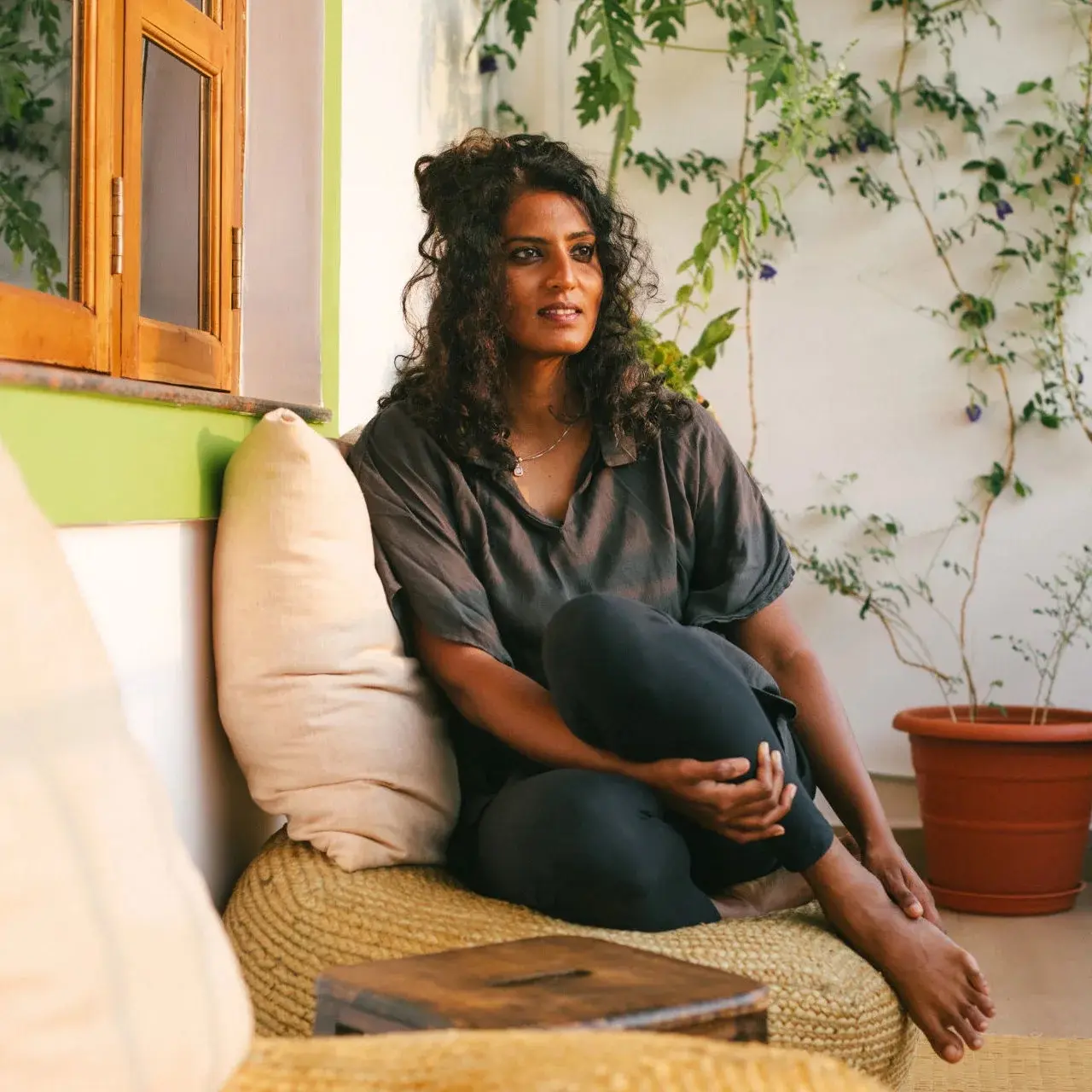
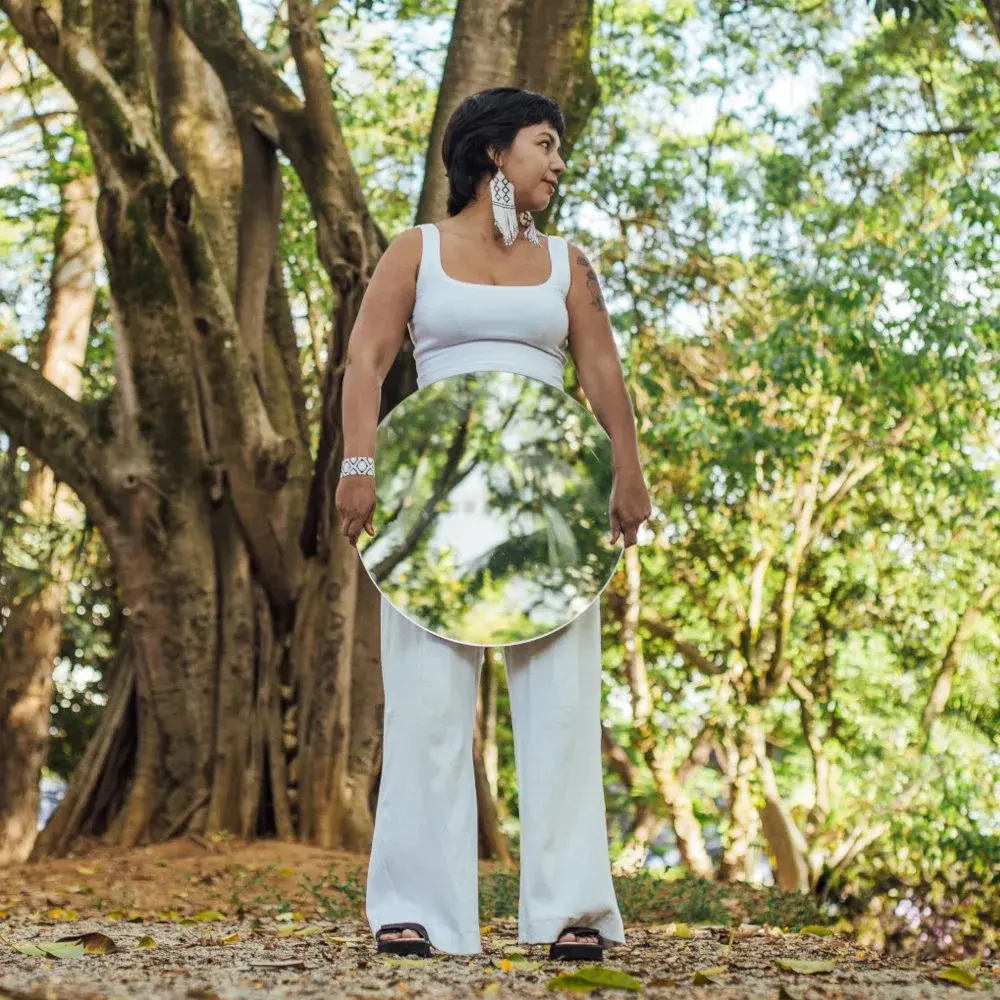
Encapsulating the ‘state of knowledge’ of regeneration into a conclusive report seemed innately dissonant with the very idea of regeneration. So when we stepped in as project leads, tasked with creating the vision and process, we were determined to embrace the idea of emergence and be vulnerable.
The journey that unfolded over the last 16 months has been emotionally and spiritually consuming, while being intellectually and physically challenging. Collaboration and plurality foster the extraordinary, and the reality of an evolutionary pathway involving multi-individual perspectives and ambitions brings with it many conflicts and crossroads. Fortunately, it also brings with it moments of enlightenment, and it triggers remarkable explorations.
We designed this process and project to offer encounters with manifold visions and sensibilities from around the world, rather than establishing fixed definitions and statements about regeneration and its practice. Our vision was to show reverence to the new paths that evolve as life continues, and we deeply believe that there is no finality to this inquiry, no cap, no comprehensive way of deciding the state of the knowledge, because it encapsulates universes’ worth of perspectives and truths. How do we ensure that this process opens up thousands of avenues for curiosity and wonder?
The anthology presented here is one of the outcomes of this process, in which ideas, knowledge systems and embodied ways of regeneration rise through different voices and lenses. It offers glimpses into what regeneration could be and where it could lead us.
Our own encounters with the impossible during the process of this project mirror the journey that each of us, engaged in the world of regeneration, is repeatedly faced with. And in enduring, we learn that the biggest tragedy of all would be to allow the fear of the unexplored to diminish our faith in the future.
The knowledge on regeneration is boundless, and we lose its purpose when we attempt to refine it into palatable capsules. It is a way of knowing that animates only when we espouse the myriad complexities that entwine the innumerable beings coexisting within this realm. The pages that follow serve as a path towards that wisdom.
Nisha Mary Poulose and Lua Couto
Acknowledgement: Nisha Mary Poulose and Lua Couto contributed as project co-leads during the development of the Anthology’s vision and thematic framework, and offered guidance on drafts. We acknowledge their contributions to the conceptual shaping of the project.
Testimonials
"The Anthology of Regenerative Futures brings us into contact with others who are learning in public, resisting templates and frameworks, recognising friction as teacher, and noticing how harm persists even when intentions are good. It invites reflection on the moments when collaboration becomes transaction. The text offers no stable ground, but gestures toward more accountable ways of moving with complexity. Extractive habits that surface due to our conditioning in modernity’s scripts of relationship and relationship building are named without spectacle, and we are reminded that the pace at which we unlearn carries consequences and costs, often borne by those, both people and places, most impacted by systemic and historical harm.
Rather than asserting fixed meanings, the contributions of the researchers trace pathways shaped by context, relation, and place. They show an attunement to plurality without flattening; where knowledge is not extracted or elevated, but situated and carried forward without arrogance. As we continue our own inquiry, this reading meets us in motion. It does not promise resolution; it sharpens our attention to the power relations and political conditions under which regeneration is named, and to whom those framings remain livable."