Anthology of Regenerative Futures
A Tapestry of Voices

- Programme
- Themes
The Team
People behind the Anthology
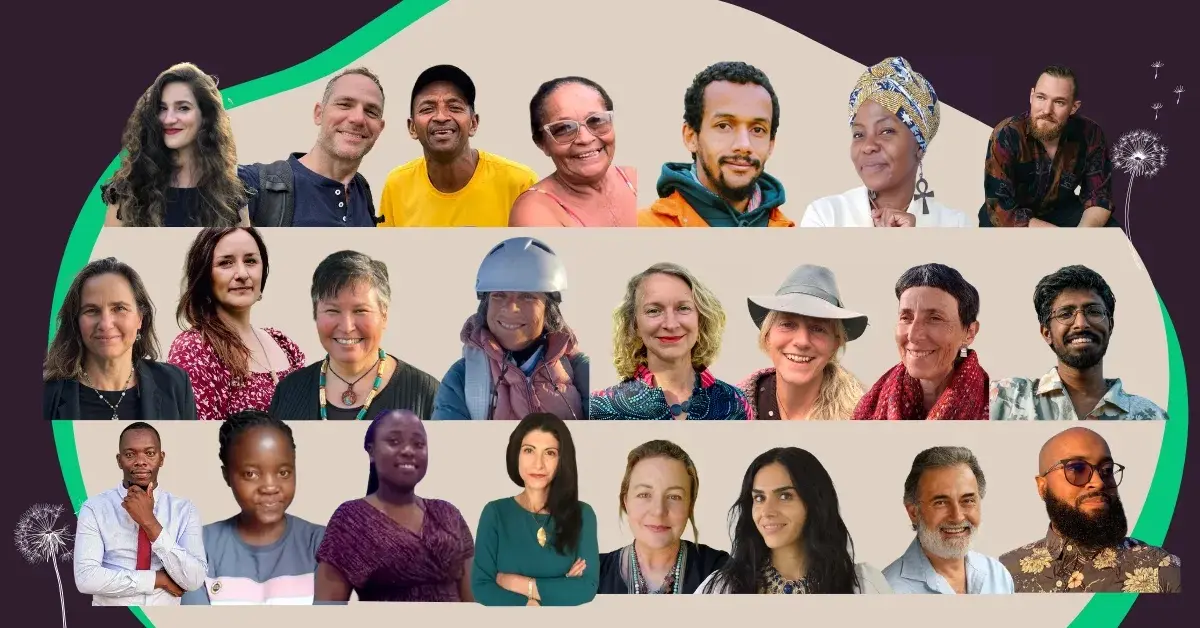
At the heart of this Anthology is a deep collaborative and co-creative journey that involved many heads, hearts and hands. A process in which the roles often overlapped, each voice influencing the others, from the start of the journey to bringing the work to life, the people behind the Anthology moved in and out of roles, collectively enabling its intellectual, relational, and creative journey. The journey reflects the pluriverse that this Anthology aims to make visible.
The Unearthodox team, comprising Anca Damerell (opens in a new tab) and Anaïk Anthonioz Blanc (opens in a new tab), made space for decentralised governance and leadership, holding space for the complexities of an emergent, multi-voice process. In parallel, Nisha Mary Poulose (opens in a new tab) and Lua Couto (opens in a new tab), as the project co-leads, conceptualised and developed the thematic frames, and contributed reflections and provocations that helped anchor the Anthology’s chapters and overall flow. At the same time, the nine carefully curated constellation of experts – Ashish Kumar (opens in a new tab), Cristina Chaminade (opens in a new tab), Gijs Spoor (opens in a new tab), Guadalupe Pérez Jiménez (opens in a new tab), Karen Park (opens in a new tab), O’Shannon Burns (opens in a new tab), Ranjani Balasubramanian, (opens in a new tab) Shweta Srivastav (opens in a new tab), and Wangũi wa Kamonji (opens in a new tab) – infused the work with their lived experiences, research and practice. Supporting this, the creative team – Megan Eaves (opens in a new tab), Claire Pauchet (opens in a new tab), Karen Eicker (opens in a new tab), Fabio Pianini (opens in a new tab), Sudha Iyer (opens in a new tab), Maya Adams (opens in a new tab) – through their respective expertise, helped ensure flow, clarity, visual language, and an online presence of this body of work. And last but not least, Lindsey Elliott (opens in a new tab) who acted as a witness to the process, documenting the journey of bringing the Anthology to life while supporting the co-learning and reflection of all involved.
Together, the team’s collective knowledge spans a wide range of regenerative domains - ecology, economy, language, decolonial thought, education, creativity, and community weaving and practices that sit at the nexus of futures, design, systems transformation, and policy.
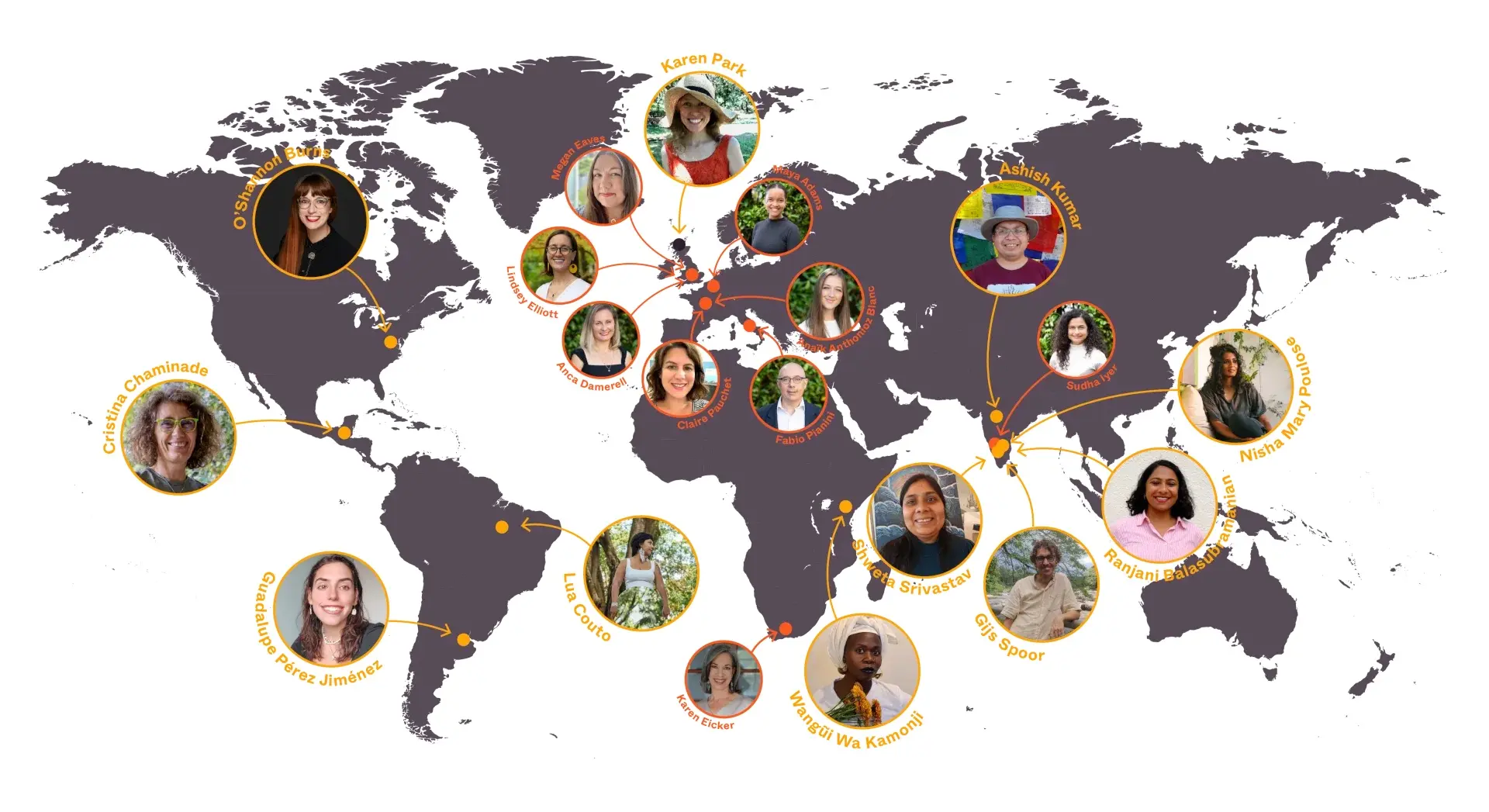
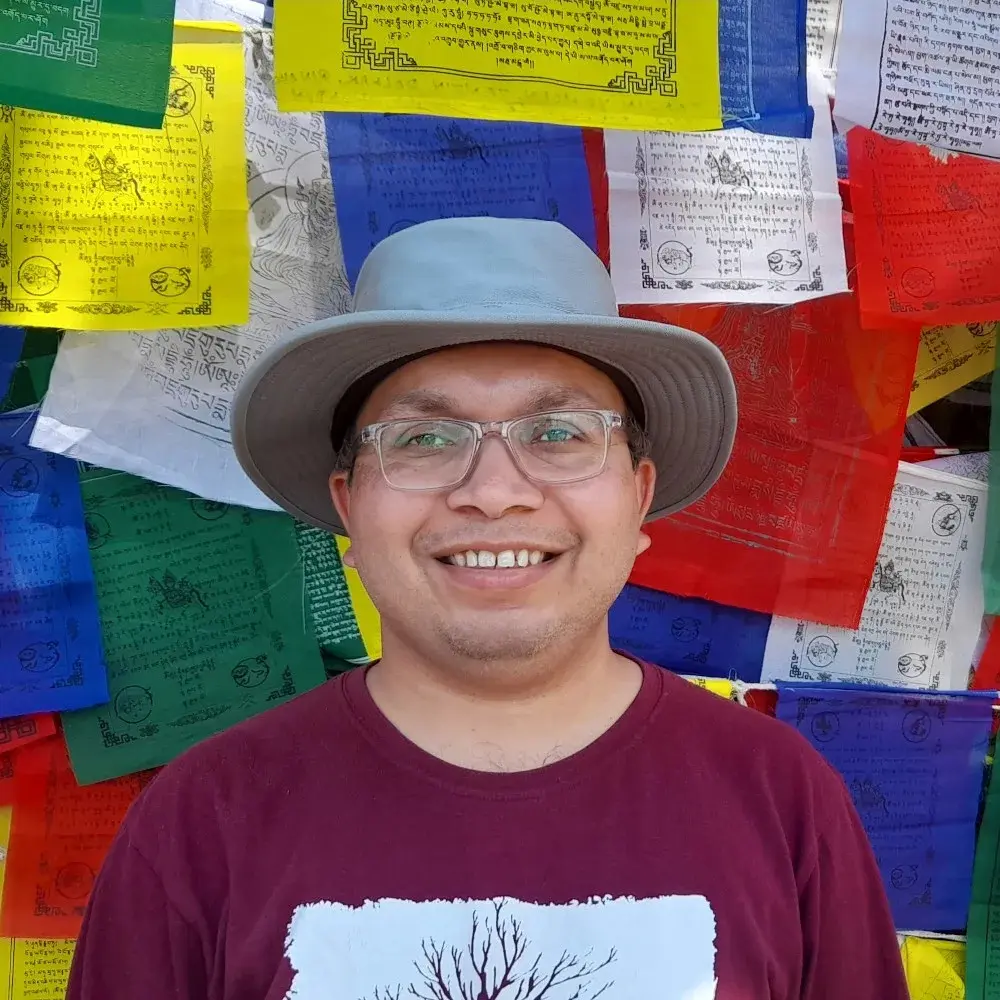
Ashish, based in Bir, Himachal Pradesh, works at the intersection of entrepreneurship, inner transformation, and regenerative culture-building. A facilitator, systems thinker, and network weaver, he supports early-stage leaders and entrepreneurs in India to design community-rooted interventions and nurture transformative organizational cultures. His work is grounded in the belief that inner transformation and outer impact are deeply interconnected, and he creates spaces for reflection, authenticity, and systemic awareness. Ashish is part of Greaterthan, a global collective exploring the future of work, and The Vriksh Initiative, which supports grassroots leadership in India. He values simplicity, humility, and deep listening.
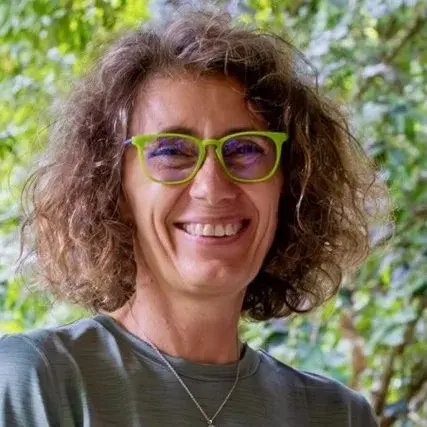
Cristina is an unorthodox economist passionate about fostering a world where humans and nature thrive together, working at the nexus of innovation, conservation, and sustainability, especially in the Global South. With over thirty years of experience, she helps policymakers, NGOs, and international organizations design transformative strategies that regenerate nature while supporting community wellbeing.
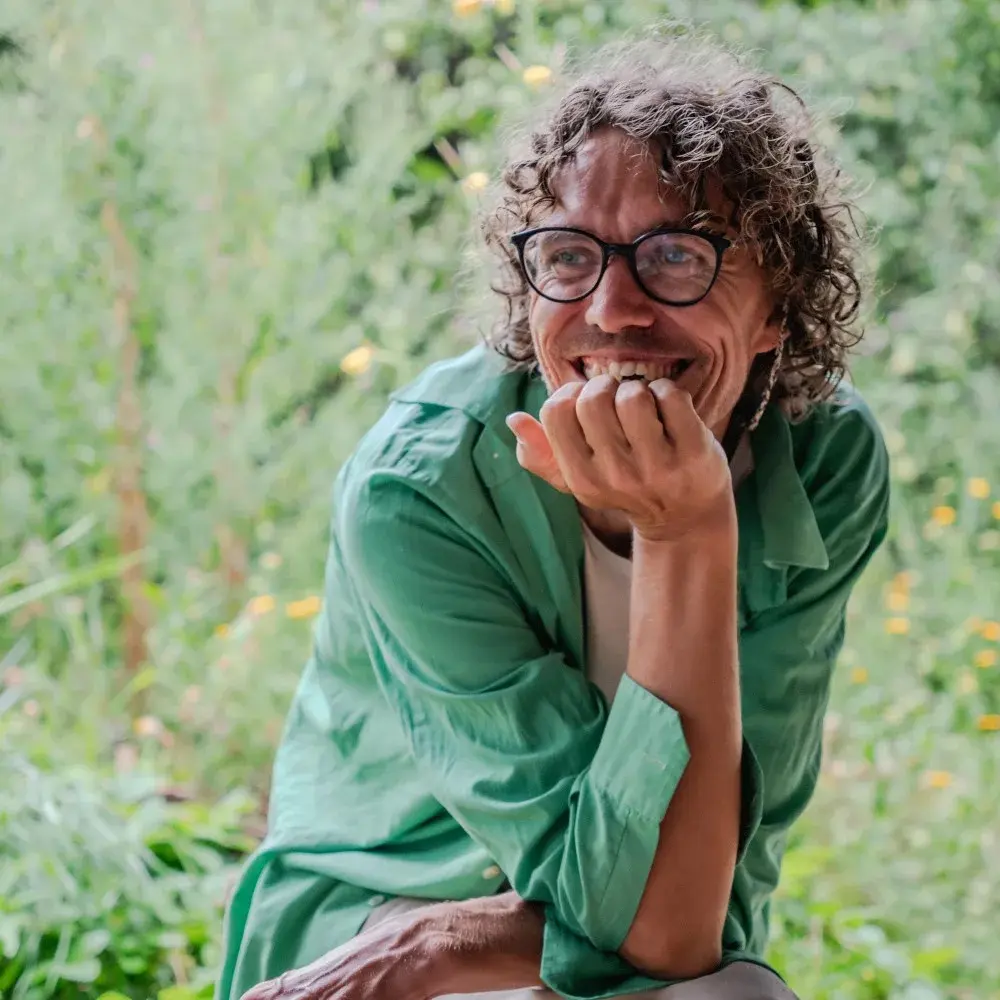
Based in Puducherry, India, Gijs is a social entrepreneur with a background in organic agriculture and fairtrade. His work includes textiles and food systems, startup incubation and alternative economy. His inspiration comes from having lived on an organic farm in Rajasthan, India, where he learned how to farm, sell, design projects and mobilise communities for social change. His mentor farmer is Inder Dan Detha, from Borunda village in Jodhpur. Gijs lives in an international experimental township called Auroville, where there is no private property and native forest has been brought back to life. To connect with his European roots, Gijs travels overland instead of by air, dreaming of a Green Silk Road connecting Asia and Europe.
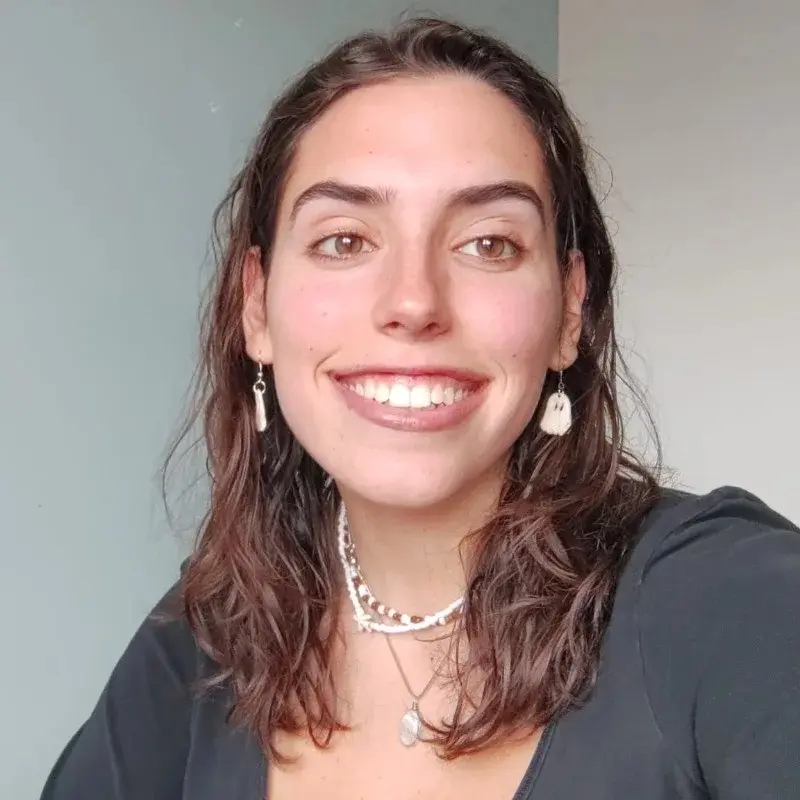
Guadalupe Pérez Jiménez is a passionate advocate for regenerative development, now based in Argentina after completing her studies in Global Project and Change Management at Windesheim University. Originally from Argentina and raised in Costa Rica and Brazil, Guadalupe has focused her research on addressing power imbalances in the development aid sector, striving to create more tangible regenerative spaces. She has also worked on female empowerment initiatives, including a project addressing the educational needs of female farmers in Nepal. Currently, she is working to support educational endeavours related to resilience development in students and changemaking initiatives.
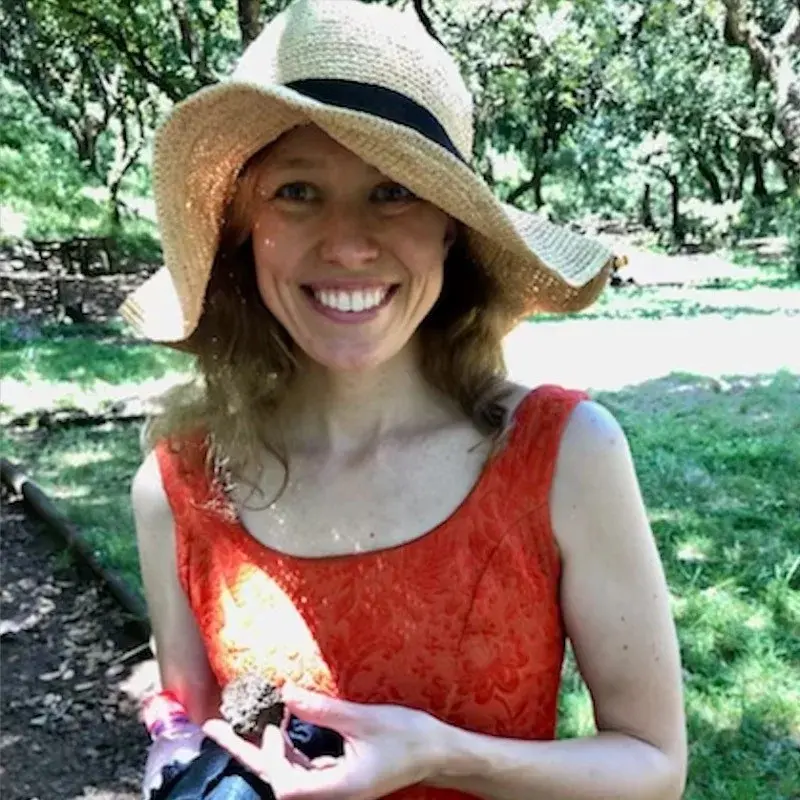
Based in Edinburgh, Scotland, Karen works on biocultural diversity and the intersections of land, language, and culture. Concerned about the parallel crises of extinction facing languages, ecosystems, and diverse knowledge systems, her work links priorities of species conservation and language revitalisation towards greater recognition of, and support for, multilingual, multicultural, and locally-led approaches to environmental regeneration. With a DPhil in linguistics from the University of Oxford and an MPhil in conservation leadership from the University of Cambridge, she has held academic posts at Oxford, the University of Pittsburgh, and the Smithsonian Institution. She serves as Director of Language and Linguistics for the Ethno-Ornithology World Alliance, a digital knowledge platform which facilitates local documentation and management of traditional ecological knowledge. In collaboration with BirdLife International and the University of Oxford, she is also co-leading a new initiative with the Cornell Lab of Ornithology to integrate cultural knowledge into the Birds of the World platform. (She loves the idea of a Green Silk Road connecting Asia and Europe :) )
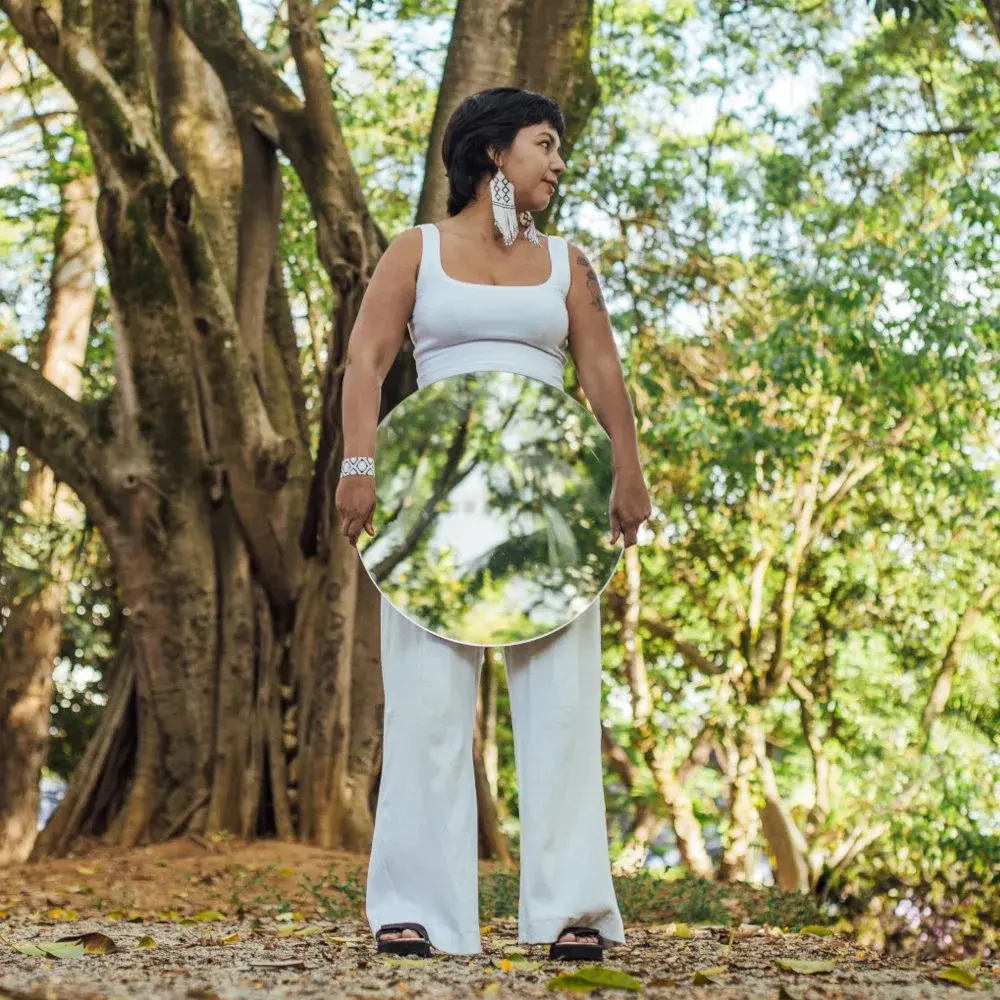
Based in Brazil, Lua is the Founder at Futuro Possível. She describes herself as a researcher of regenerative narratives of the future. A peripheral woman born in the Amazon region, with brown skin and Afro-indigenous ancestry.
“Mother of 4 human beings. I began my professional journey in university during a bachelor's degree in social communication in 2000. At 18, I started working writing for communication projects. At 20, I dropped out of college out of necessity and started my own learning journey, far from traditional means. At 24, I became a creative director at an advertising agency, managing creative accounts for brands, including a multinational mining company that operates in the Amazon region, which led me to visit mineral extraction sites and to the end of my career in advertising. The contact with the destruction of the Earth was the beginning of my regeneration. In 2015, I began a career transition by training in independent methodologies and approaches in the field of futures, ecology and imagination focused on innovation, regeneration and decolonial thinking. I worked with participatory design in traditional communities in the Amazon region, collaborating to strengthen ancestral social technologies. Since 2019, I have been researching future narratives for socio-environmental impact projects and regenerative education, since then I share knowledge from my learning journey in companies, organizations, festivals and other spaces open to civil society. Formally, recently I was Strategy Director at Purpose in Brazil, a North American company that works with social impact projects all over the world, and I contribute as a consultant for organizations such as Imaflora that works protecting Brazilian forests. I am the Founder of the Possible Future, a collective that works with education for regeneration. And, in my spare time, I am a poet. I was elected one of the 30 voices that changed the Brazilian communication industry in 2022 by the organization Papel e Caneta + Flagcx and I joined the Aerolito list as one of the 22 names that were building better futures also in 2022.”
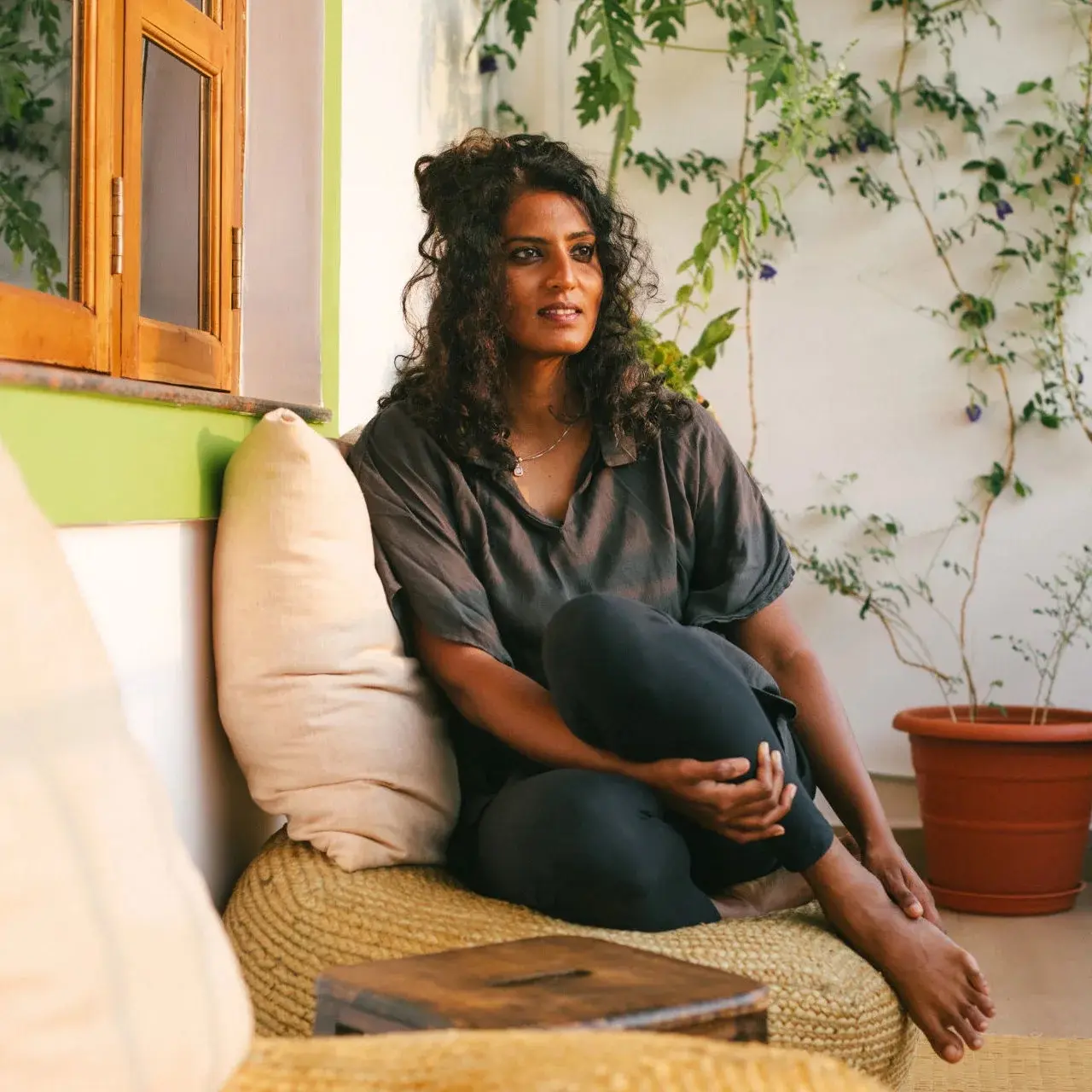
Based in Goa, India, Nisha is the Founder & Lead Planner- Woven Design Collaborative. Nisha Mary Poulose is an architect and regional planner with a passion for socio-ecological impact and regenerative systems. Nisha is particularly invested in multi-disciplinary alliances, driving solutions towards human-ecology re-balances and working towards incepting ethical, sustainable, and effective solutions for regeneration through research and field action. Nisha has worked with and within various government offices, providing technical support on ‘Smart Cities’, sustainable mobility and strategic planning. She is also a co-convener of INTACH Anegundi Hampi and is engaged in building a global interdisciplinary collaborative for planet care. She is endlessly fascinated by nature, is always ready for outdoor activities and loves a good story.

Based in Washington, DC and West Virginia, USA, O’Shannon is a researcher and regenerative practitioner focused on enabling collective action, systems transformation, well-being-aligned economies, and ecosystems of entrepreneurship. Her work is often at the intersection of climate action, environmental justice, conservation, and sustainable travel and tourism. O’Shannon conducts applied research as part of Cornell University’s Center for Sustainable Global Enterprise, and has facilitated projects on regenerating finance, healthcare, housing and business. She is part of Regenerative Travel where she focuses on embedding regenerative principles into tourism entrepreneurship, and Aurora Collective where she supports women leaders in collective climate action.
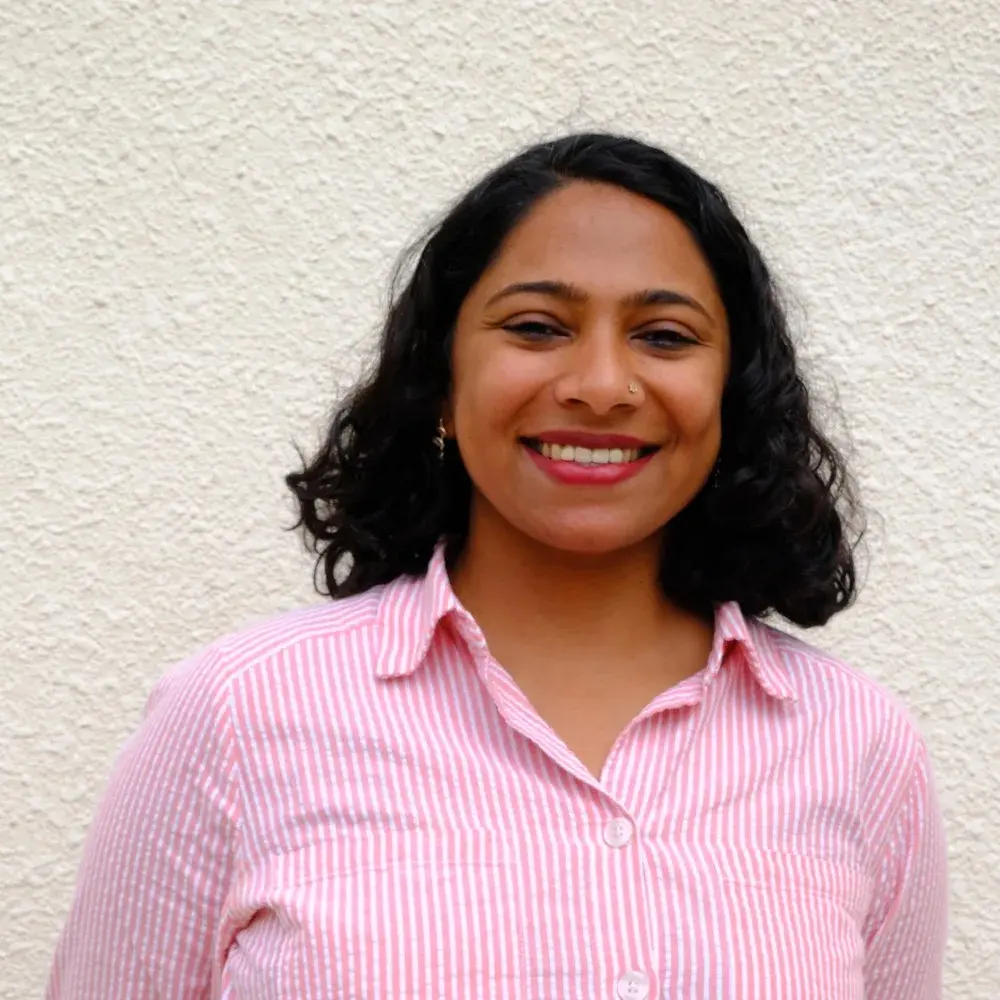
Ranjani Balasubramanian, based in Bangalore, India is a designer, educator, and researcher whose work weaves together design, ecology, and community practice. With a background in architecture and urbanism, she explores how local knowledge, lived experience, and imagination can shape more regenerative ways of living in and with our cities. Her work has engaged with sustainability and post-disaster recovery in the Western Ghats, and her current doctoral research at Srishti, MAHE, investigates how urban practitioners can decolonise the ways they imagine and build futures. As co-founder of Glocal CoLab and adjunct faculty at Vidyashilp University, she continues to nurture participatory, place-based approaches to learning and transformation.
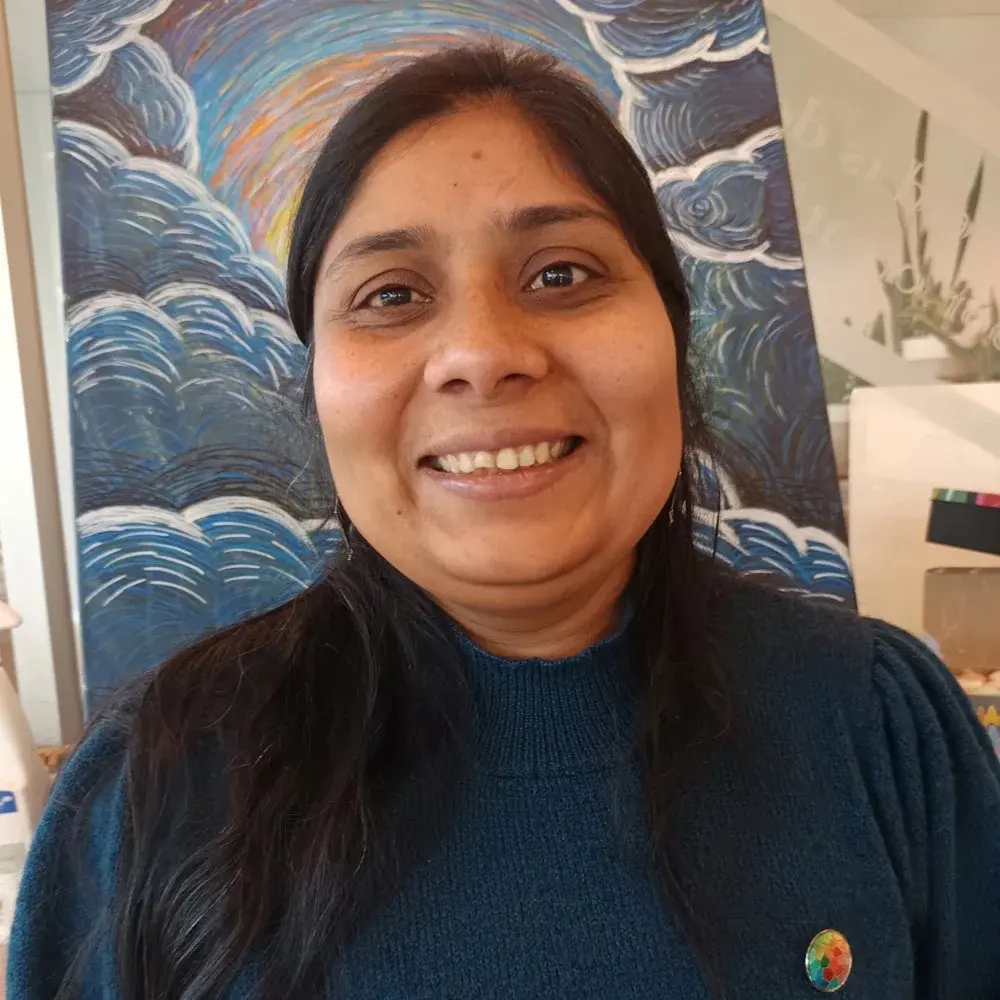
Based in the Netherlands, Shweta is a Design Researcher, Educator, and Sustainability Consultant. Originally from India, she co-founded Glocal CoLab and lectures at Windesheim University of Applied Sciences, where she also convenes the Decolonial Futures Lab—an experimental space for critical inquiry and collaborative action addressing coloniality in self and institutions. Her work sits at the intersection of systems, design, and futures thinking, fostering pluriversal approaches to reimagining organisations, cities, and governance.
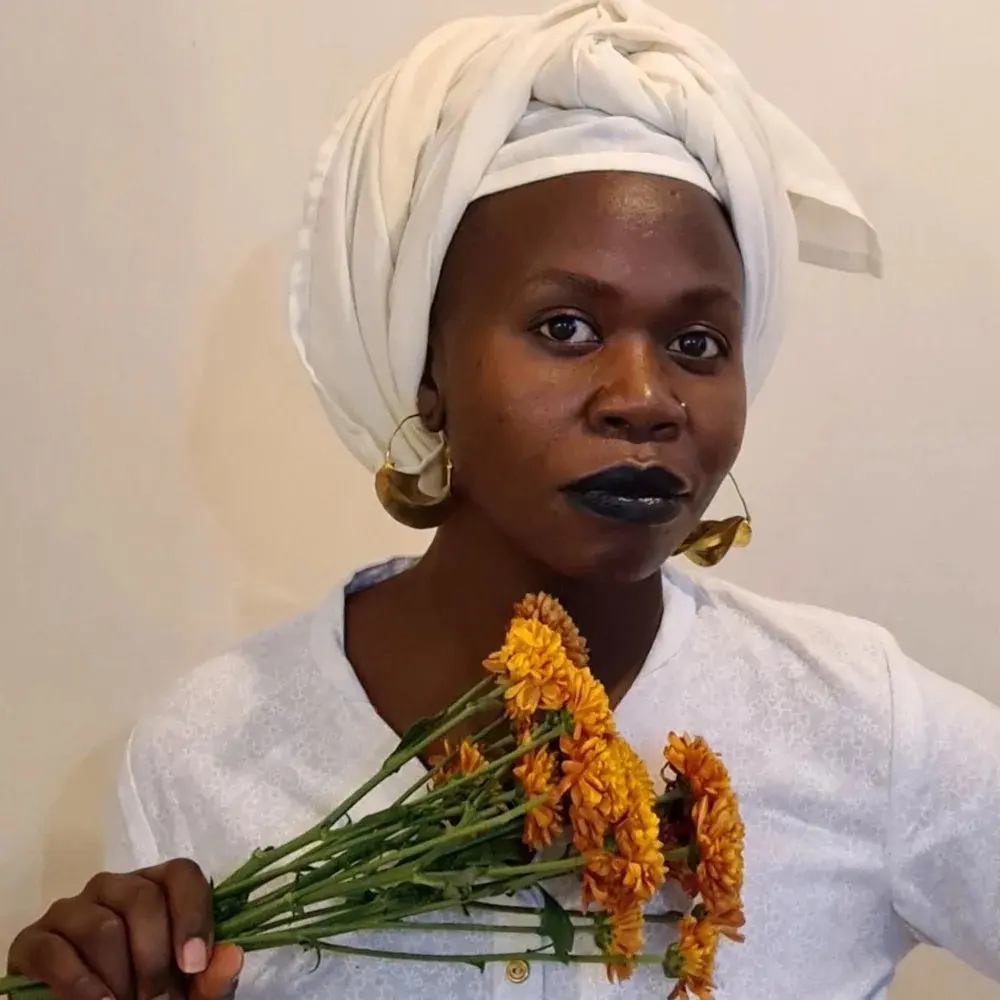
Wangũi wa Kamonji is a regeneration practitioner researching and translating indigenous Afrikan knowledges and more into experiential processes, art, and honey. Wangũi tends the organism fromtheroots, an ecoversity in East Afrika supporting individuals’ and communities’ transitions from coloniality to the pluriverse through transformational training, coaching and practice accompaniment. Wangũi’s writing is published on Decolonial Passage, Open Global Rights, Africa is a Country, Transition Network, and is a regional weaver in the Ecoversities Alliance. Wangũi has an MSc in African Studies with Environment. Born and based in Ongata Rongai, East Afrika you might find Wangũi reading, laughing, drinking tea or dancing (maybe all at once).
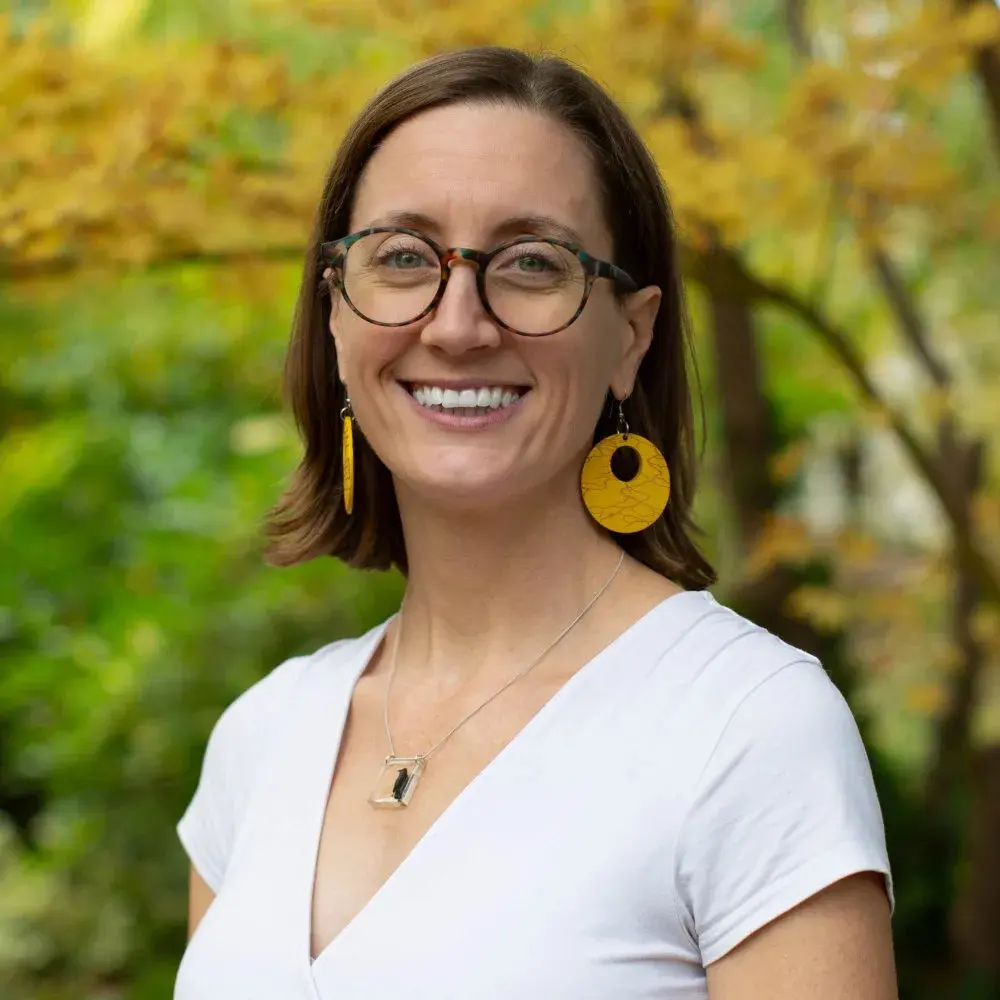
Lindsey brings a background in biology and tropical forestry and over 15 years of professional experience in social science and conservation in the UK and internationally. She is skilled at connecting with a broad range of stakeholders and adept at hearing and representing multiple perspectives to help ensure processes are more inclusive. Her PhD bridged collaborative theory and conservation in research and practice to explore ways to enable collaboration in conservation. She has diverse experience with academic institutions, charities and companies and as a freelance consultant.
Working at the intersection of collaboration, conservation, and systems change, Lindsey helps people and organisations navigate complexity, build trust, and co-create more just and sustainable futures.
Image credits
Title: songpol / Adobe Stock
How to read this Anthology: Brian Wangenheim / Unsplash
Reader advisory: ROMAN_P / Adobe Stock
Responsible AI use statement: Free_styler / Adobe Stock
Anthology Chapters: beerphotographer / Adobe Stock
Invitation to Regeneration: Andrew / Adobe Stock
Reimagining Systems and Stakeholders: Charl Durand / Unsplash
What is the Pluriverse: Joyce Hankins / Unsplash
Persistent Harmful Actions: Janica Rina / Unsplash
Reflections: byrdyak / Adobe Stock
People behind the Anthology: Alexmar / Adobe Stock
Testimonials: chekart / Adobe Stock
All chapters / Author Statements: Vidady / Adobe Stock