The Future of Philanthropy and Biodiversity
Perspectives and pathways

Foreword
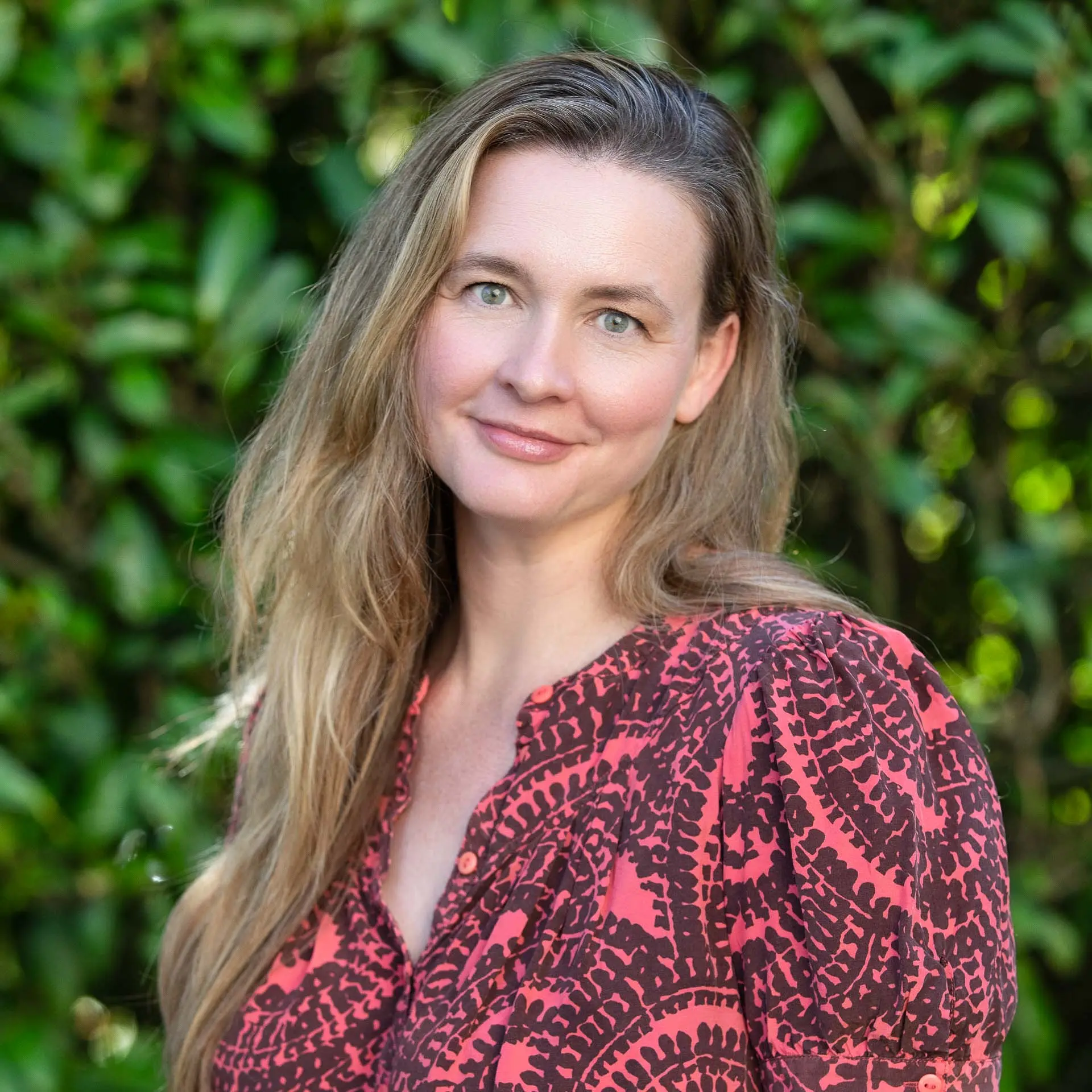
Over the last 20 years I have worked across all kinds of sectors: government, private, not-for-profit/volunteer, and non-governmental organisations (NGOs), as well as academia. They all have their trade-offs, strengths and weaknesses. With over a decade working in NGOs, I’ve become familiar with the ins and outs, ups and downs of the relationship between myself, the work, and the organisations that I’ve been part of.
I’ve spent many a weekend, evening or special holiday not with my loved ones but, rather, in front of a computer crafting a grant proposal, finishing a slide deck, or answering a set of questions from a donor. Never resenting the extra time because I knew that if the funds and support and partnership were to come through, then there would be more resources for so many people and their work on sustainability, nature, people, innovation, change, equity, and the possibility that the world might be a different place.
As you can imagine, as I became more and more curious, experienced and self-aware. As I dug deeper into the 'why' of the world, I could start to see that the relationship between philanthropy, NGOs, nature, people and everything in between was a lot more complex. Deeply rooted, intimately connected, and historically contested, sometimes empowering and inspiring, and sometimes perverse. My ‘donor proposals’, were the naive tip of the systemic iceberg, so to speak.
The 21st century has seen a pivot in sentiment towards both conservation and philanthropy, which are no longer the ‘feel good’ domains they might have once been. If I then worked for a conservation organisation funded by philanthropy - where did that leave me? Fortunately, I have not been alone on this journey, which has included the philanthropists I have been privileged to work with. Unearthodox would not exist if this was not the case. We, ourselves, benefit from a more progressive view of the relationship between nature, society, philanthropy and NGOs. More widely, and across many different actors, these kinds of conversations have started to emerge, as has active change in how philanthropy is implemented - often critical, but with the spirit of looking for change and redesigning how the world works in the future, especially around issues of equity, justice, inclusion and power.
At Unearthodox, we believe self-reflection must be a critical component at every stage of our value chain. As we transitioned to becoming a new entity over the past year, and in the context of our exploration of the Future of Conservation NGOs, we thought it both deeply relevant and timely to examine questions that apply as much to ourselves as to every other stakeholder in the biodiversity and philanthropic sectors. This exploration, as well as all the interviews and insight pieces for the Future of Philanthropy for Biodiversity, is a companion to this work.
We embarked on the Future of Philanthropy for Biodiversity project realising that there is an especially deep connection between philanthropy and ‘conservation’ - whether new or old. There are shared tensions and places to be opened up again and rethought, especially at the intersection of these fields. Discourse related to power, justice, governance, geopolitics, NGOs, and the wider mobilisation of funding and resources, spares no criticism and the roots of both sectors are exposed. At Unearthodox, we are playing our part in taking another look. Not with the hope of pointing fingers and assigning blame, but with the idea that, if we can re-examine the root problems, then we can see the future differently, as well as the pathways to get there. We are not alone. There are already many voices spurring momentum in this direction.
Systems change is hard but not impossible. We recognise that this discussion is an entry point to wider discussions around systems change as well as other kinds of financial and resource flows for nature and people. However, we hope that this exploration offers another place to be curious, that it gives some hint as to how we got to where we are, provides visibility for the kinds of conversations that people are having, and offers different views of the topic.
The work is framed by six questions that, we believe, are useful in themselves for prompting new journeys and innovation. This is not your standard ‘report’. It is a range of voices set against a snap-shot of history, each telling their own piece of the story, while illustrating the many different lived realities that exist right now at the intersection of conservation and philanthropy.