Digital Disruption and the Future of Conservation
Explored the uptake of disruptive digital technologies in the conservation sector and empowered innovators to create more equitable and effective conservation approaches. (2021–2023)

How can conservation NGOs improve practices and stay relevant in an increasingly disruptive digital landscape?
Digital Disruption and the Future of Conservation, concluded in 2023, was one of Unearthodox's three projects under the umbrella theme 'The Future of Conservation' (2021-2023). These projects culminated in the Unearthodox Learning Festival in October 2023. For insights and information on each exploration, please visit our Resource Library.
The rapid advancement of digital transformation, fuelled by the COVID-19 pandemic and the mainstreaming of technologies such as blockchain and Artificial Intelligence (AI), presents both challenges and opportunities for conservation non-governmental organisations (NGOs).
Web 3.0 applications are opening up new avenues for fundraising and engagement, whilst providing tools which can impact the democratisation and transparency of conservation practices.
Bridging conservation and the digital world
The appetite of conservationists to engage with Web 3.0 was revealed during the Gamifying Nature Conservation initiative, sparking investigations into the knowledge gap and acting as the catalyst for this project.
It was quickly identified that younger generations are utilising Web 3.0 tools and consuming digital information with ease, with growing online communities possessing the expertise and drive to bridge the divide between conservation and digital spheres.
These digital communities are not only adept in utilising cutting-edge technologies, but they also exhibit new motivations and a strong inclination towards philanthropy that have yet to be fully understood or leveraged by the conservation sector.
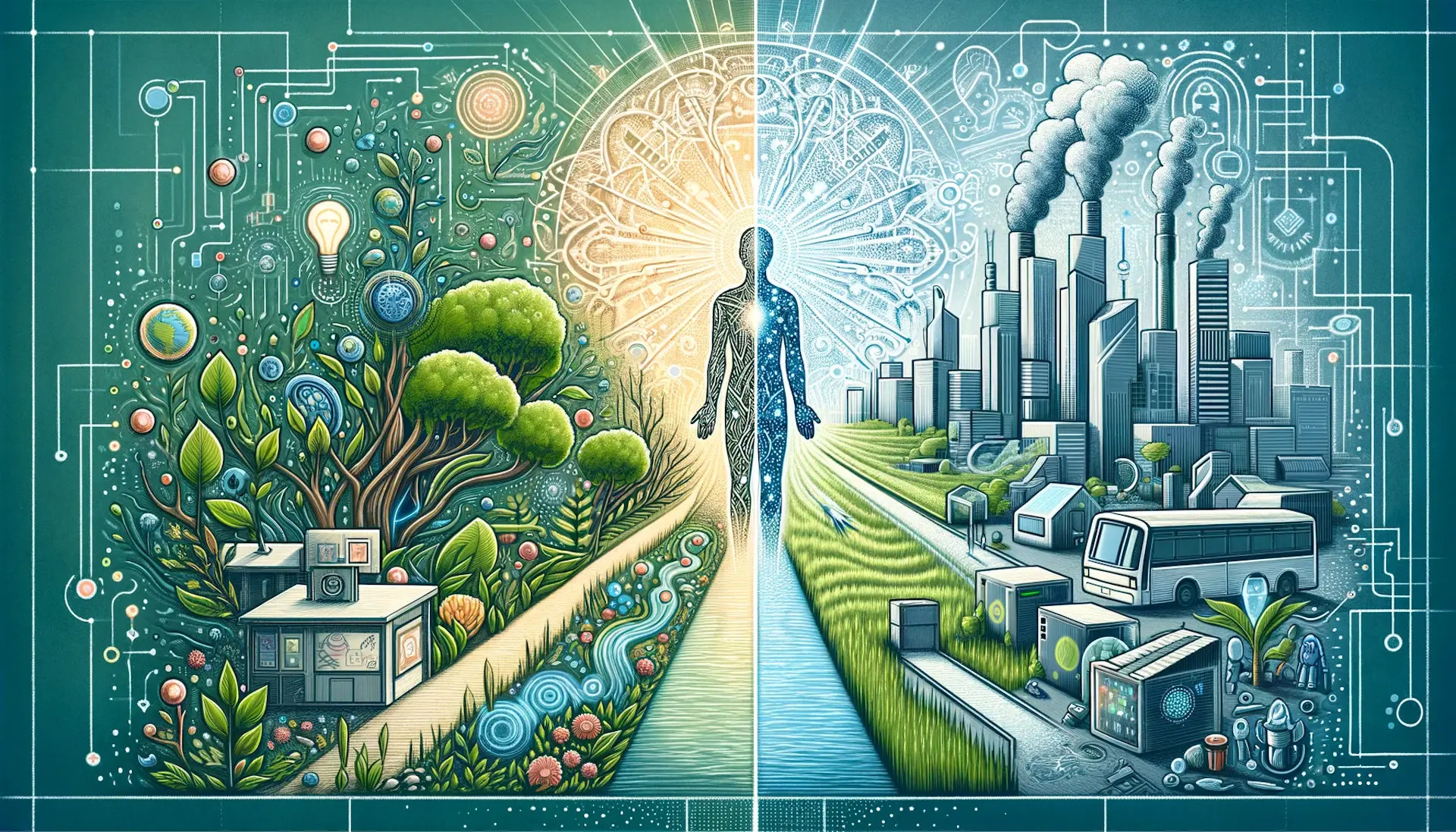
The "Digital Disruption and the Future of Conservation" initiative is exploring the opportunities and challenges presented by emerging digital technologies to support the ongoing relevance of conservation NGOs.
It aspires to promote cross-sectoral conversations and collaborations, whilst strengthening the conservation sector's capacity to absorb and utilise innovative concepts.
The project will adopt a systemic lens to explore how engagement with these technologies can affect inclusivity in nature conservation, with the ultimate aim of amplifying effective and equitable global conservation efforts.
Digital Disruption for Conservation
This toolkit is designed to provide conservation practitioners with a basic introduction to Web 3.0 and AI concepts and their potential use for nature conservation.

Our Innovators
People involved




Programme timeline
October 2023
Incubation
In this interview Alice Kershaw, Head of Digital Transformation at The Wildlife Trusts, discusses the Trusts' digital transformation strategy, including their engagement methods, challenges they face and technologies they are exploring.
August 2023
Incubation
The Digital Disruption project begins working with external innovator Louisa Richmond-Coggan. Louisa aims to help conservation organisations incorporate Web 3.0 technologies into their strategies so that they can enhance their overall impact and sustainability as well as supporting the scaling of their conservation efforts. In the medium-long term, Louisa plans to establish a series of innovation challenges that will support the move from ‘education to doing’, and ultimately become an incubation hub for nurturing an interdisciplinary network and groundbreaking projects.
May 2023
Incubation
In this insight piece, Gal Zanir draws on his experience as the co-founder of Wild Biotech Ltd, his MPhil in Conservation Leadership from the University of Cambridge, and ongoing research on the intersection of Web 3.0 and conservation, to offer new perspectives on conservation innovation.
19th December 2022
Incubation
Linwood Pendleton, an environmental economist and transdisciplinary scientist, discusses the need for transparent and considered exploration of Web 3.0 by the conservation sector.

12th December 2022
Incubation
A first-of-its-kind toolkit is released which provides an introduction to Web 3.0 concepts and their potential use for nature conservation. Whilst reducing the barriers to adoption for conservationists interested in the Web 3.0 space, the toolkit aims to ensure these tools are used in the most effective and equitable manner for maximum conservation impact.
12th December 2022
Incubation
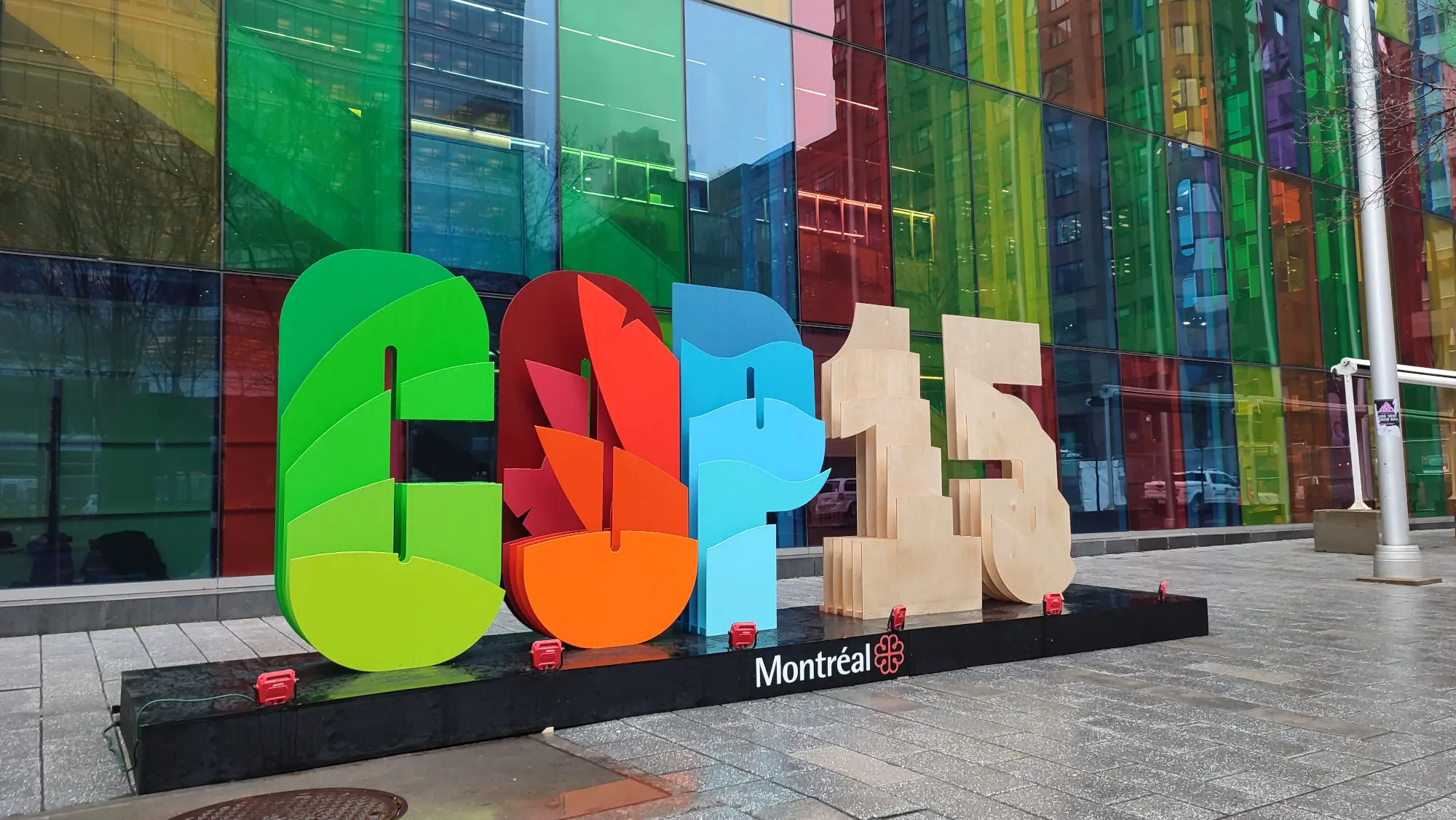
How can the conservation sector navigate and interact with developments in blockchain technology to create more inclusive and effective conservation practices? Our project lead, Sasha Sebright, heads to the United Nations Biodiversity Conference (COP15) in Montreal and discusses how innovation in the Web 3.0 arena can impact some of conservation's most complex and systemic challenges.
3rd November 2022
Incubation
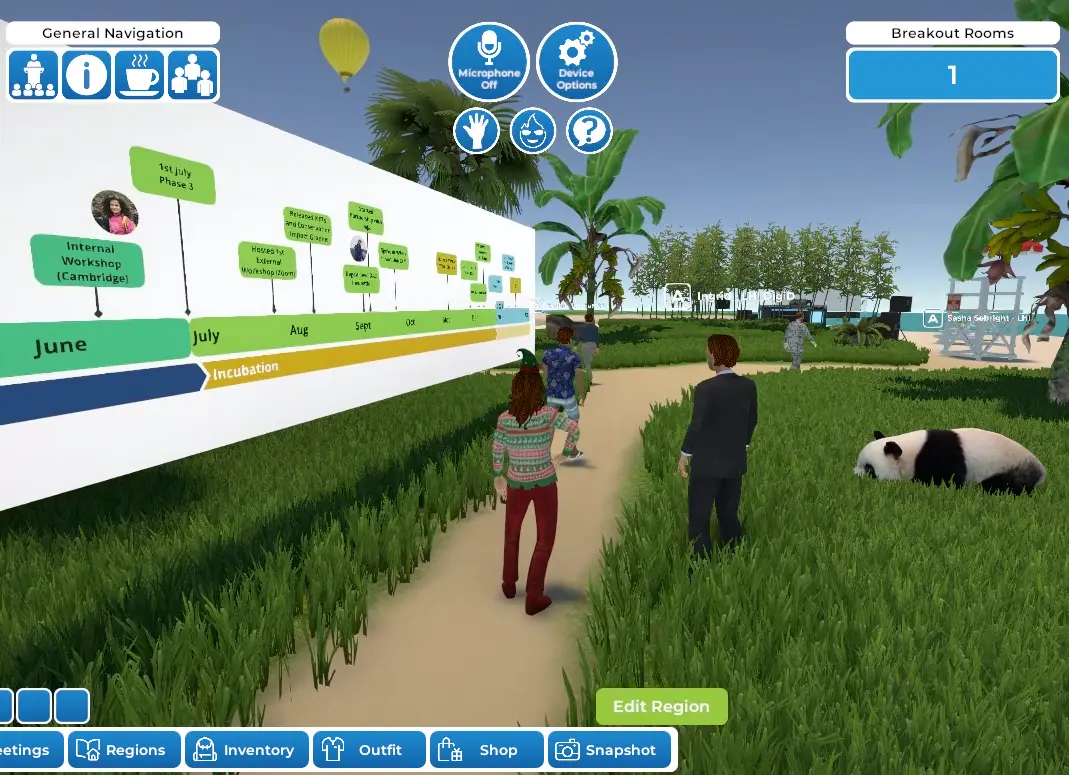
An internal planning and review session is hosted by the Digital disruption team in a customised virtual world environment.
1st September 2022
Incubation
The Digital disruption project team supports the incubation of RewilDAO, one of the nine winners of the ‘Future of conservation NGOs’ Innovation Challenge.

1st July 2022
Incubation
Digital disruption and the future of conservation moves into the incubation phase with the intention of testing the potential of digital communities and Web 3.0 applications to enable new business, engagement and funding models in the conservation sector.
27th June 2022
Ideation
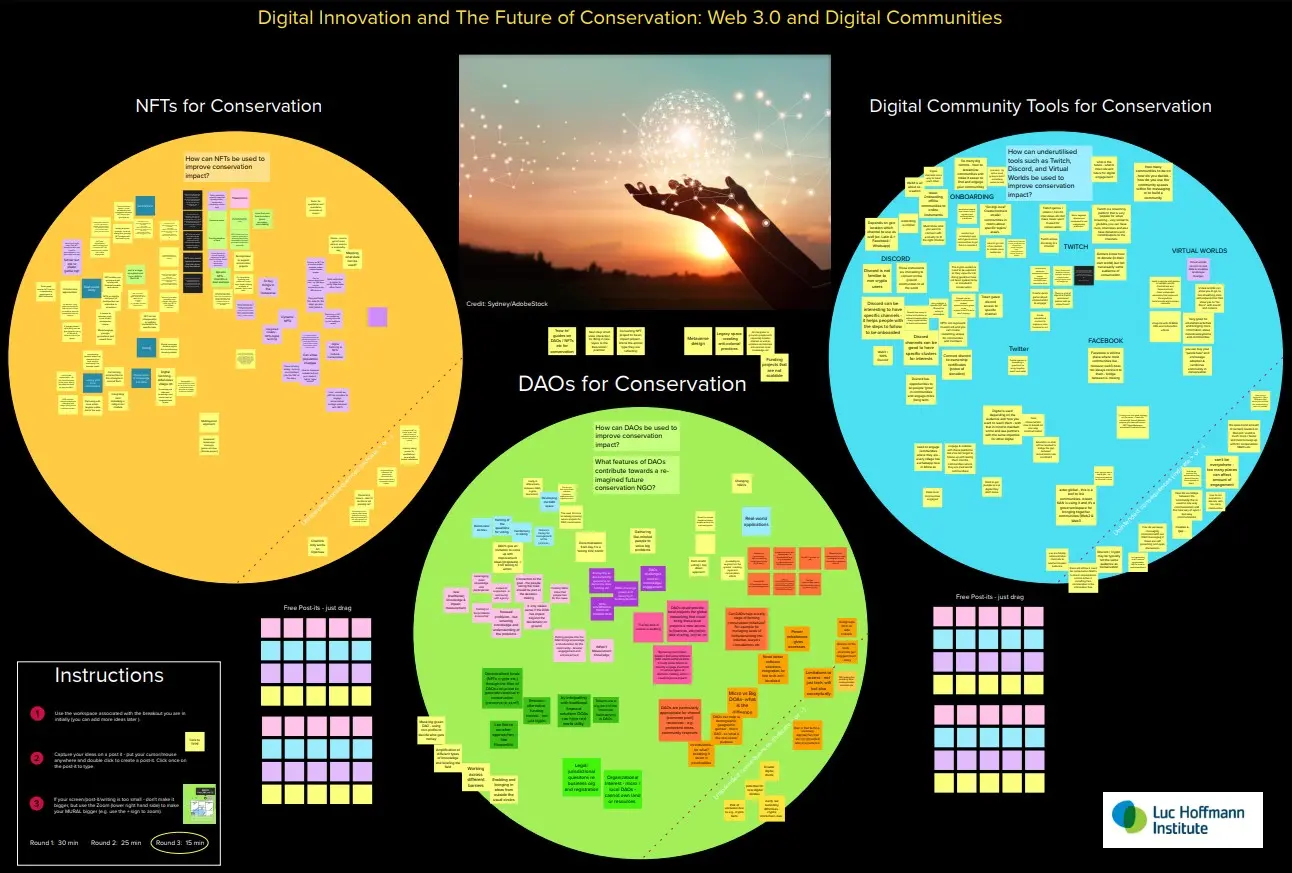
A virtual workshop brings together 18 experts in the web3.0 sector to map how NFTs, Decentralised Autonomous Organisations (DAOs), and new tools for digital engagement such as virtual worlds can be used to enhance current and future conservation impact.
10th June 2022
Ideation
Project teams from the Digital Disruption and the Future of Conservation NGOs projects join together for a dynamic session revealing the areas of greatest existing alignment and future collaborative impact between the two initiatives.
9th May 2022
Ideation
Project Lead Sasha Sebright, MPhil in Conservation Leadership graduate, shares her thoughts on how conservation can learn from digital communities.

February 2022
Ideation
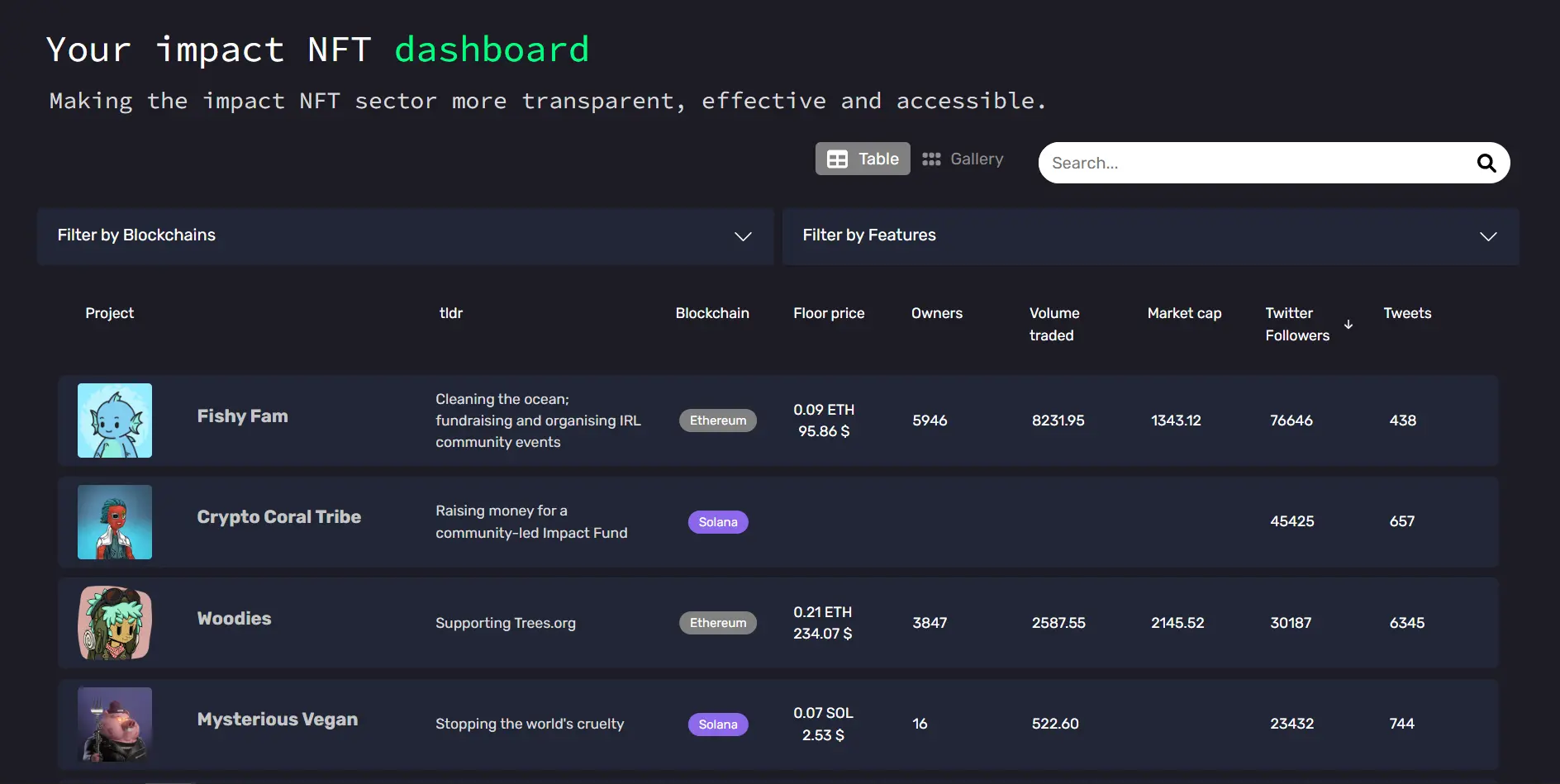
The Luc Hoffmann Institute compiles a database of projects using blockchain for conservation impact. Non-fungible tokens (NFTs) prove to be in a state of rapid growth and, taking a step to bridge the knowledge gap and encourage further discussions, the database is turned into an online interactive repository of ‘impact NFTs’. Despite blockchain’s ability to provide transactional transparency, there is difficulty in measuring the overall contribution of impact projects to conservation efforts. Two software developers are brought on board to tackle these issues of traceability.
15th December 2021
Ideation
After recognising the lack of resources available to help conservationists make effective decisions in the digital sphere, the Luc Hoffmann Institute begins its investigations into digital communities and blockchain, and how these could contribute to the democratisation of the conservation movement.
November 2021
Ideation
The Gamifying Nature Conservation project unearths an appetite in the conservation sector to further understand the transformative potential of blockchain technology.