African Ecological Futures
Critical ecological infrastructure that minimises the impact of physical infrastructure is maintained and helps ensure the prosperity and well being of Africa’s people.

How to accelerate a fully-resilient African society with natural infrastructure that supports sustainable development long-term?
The African Ecological Futures initiative aims to unite influential African actors (e.g. African Development Bank, the African Union Commission, the United Nations Environment Programme, the United Nations Development Programme, and country governments) and support them in implementing a new, research-based action agenda.
For this initiative, the Luc Hoffmann Institute partnered with the UN Environment Programme (opens in a new tab), the African Development Bank (opens in a new tab), the Regional Centre for Mapping of Resources for Development (opens in a new tab), and UN Habitat (opens in a new tab).
Programme timeline
September 2020
Acceleration
The African Ecological Futures project takes off!
September 2020
Incubation
The Luc Hoffmann Institute launches a new African Ecological Futures report. Authored by South African researcher, Laura Pereira, it explores the different methods for imagining the many possible futures for Africa, and for identifying the actions required to reach those futures.

February 2019
Incubation
The Africa YMCA starts a Master Class on Africa Ecological Futures, helping to engage the African youth in this initiative.
2018-2019
Incubation
The WWF African Ecological Futures team holds events, workshops and presentations in high-level fora, such as the Africa Ministers of Environment Conference, the Africa Union, the United Nations Environment Programme Assembly, and the Convention on Biological Diversity Conference of Parties.

2018-2019
Incubation
Thanks to networks formed out of the June 2018 meeting, WWF was able to secure endorsements across Africa from, for example, YMCA Africa, United Nations Habitat, the African Development Bank, the African Union Commission, and the United Nations Environment Programme.
April 2019
Incubation
The Luc Hoffmann Institute organises a meeting in Gland, Switzerland and brings in Laura Pereira, an independent researcher on futures thinking, to help design future-thinking capacity in Africa. The IUCN, the United Nations Environment Programme, and African researchers on futures thinking take part.
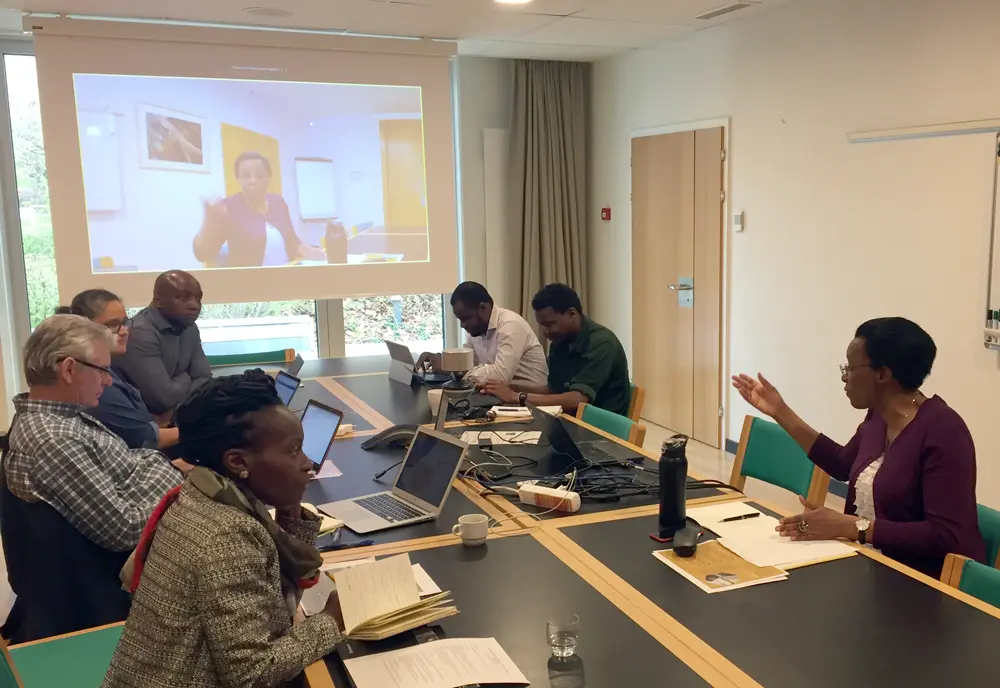
July 2018
Ideation
“From the inception, the Luc Hoffmann Institute triggered action on an initiative that we were struggling to find the time and space to take up…time and again, [the Institute has] taken small but strategic and catalytic steps that have helped put AEF II on the map.” Frederick Kumah, Director, WWF Africa.
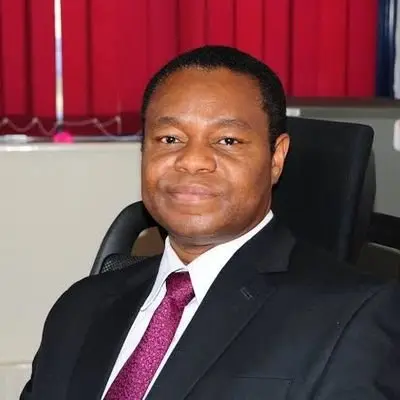
June 2018
Ideation
The Luc Hoffmann Institute funded and co-designed a meeting with WWF, YMCA Africa, the Council of Scientific and Industrial Research (CSIR), the Regional Centre for Mapping of Resources for Development, the Africa Wildlife Foundation, the International Fund for Animal Welfare, the Africa Conservation Centre, and others in Nairobi to design a strategy including a theory of change strategy and workplan for the African Ecological Futures initiative.
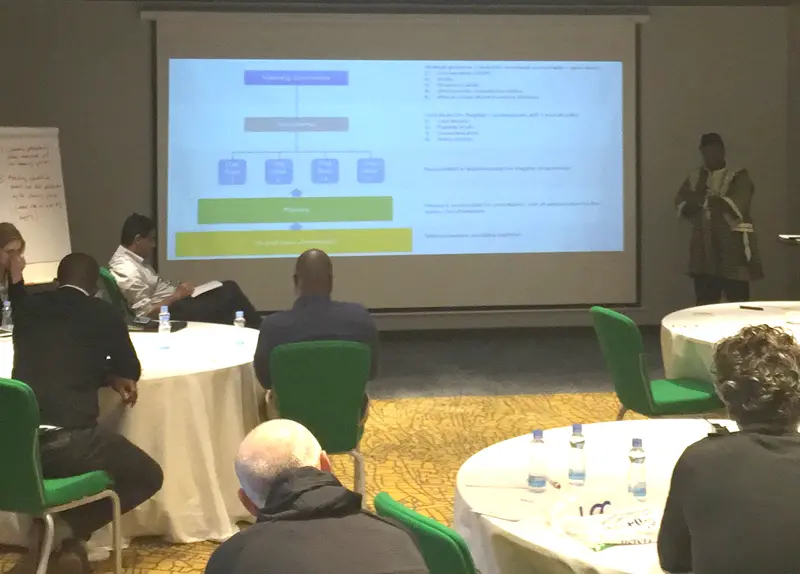
March 2018
Ideation
The Luc Hoffmann Institute funded, co-designed, and actively participated in a meeting in Abidjan between WWF, the United Nations Environment Programme and the African Development Bank to secure renewed support for the African Ecological Futures initiative, thus securing a core mass of institutional support.