Exploring the topic of decolonising futures for nature
Collaborative Knowledge Building
- People
- Programme
- Themes
Author Reflections and Conclusion
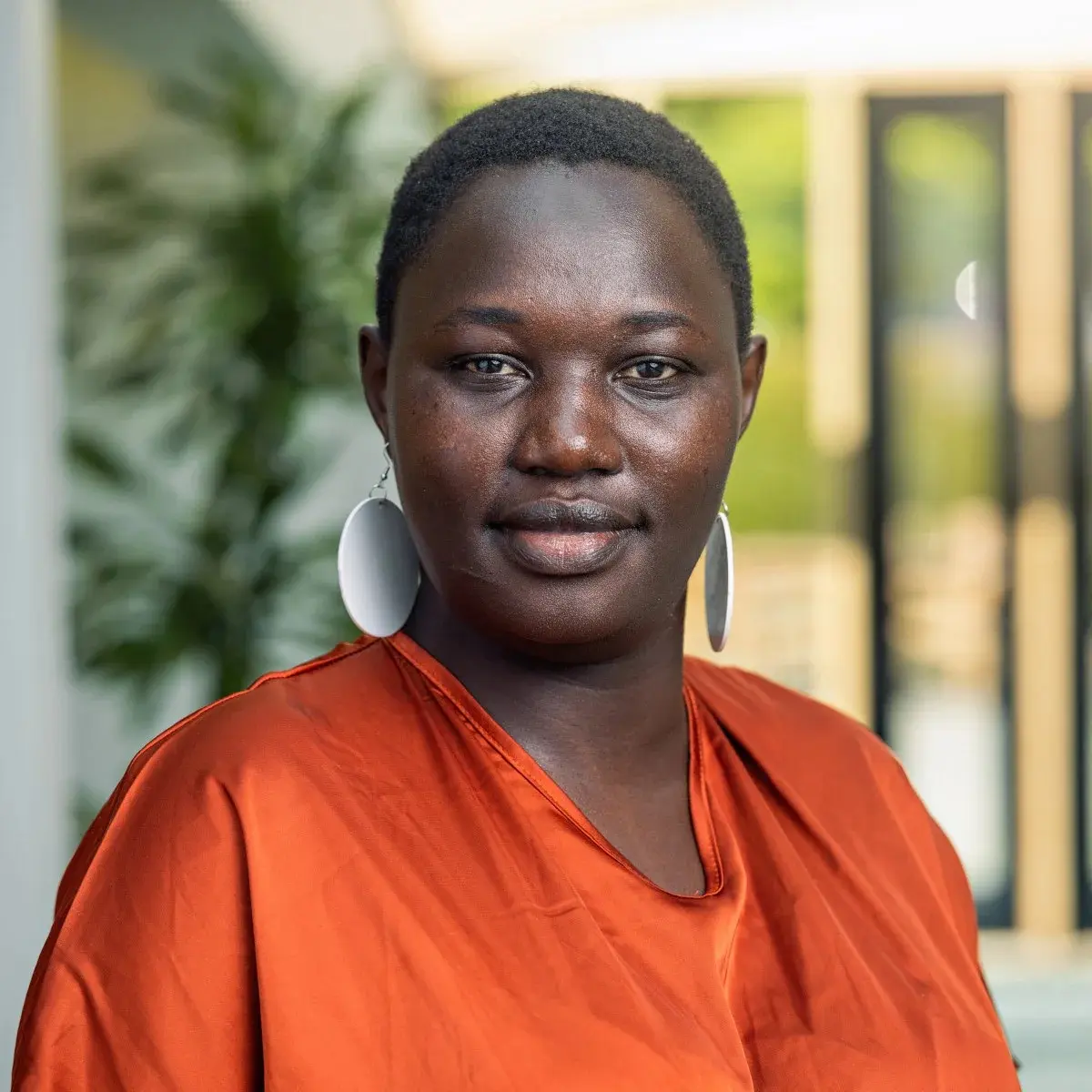
Phoebe Ndiema works with the Chepkitale Indigenous Peoples’ Development Project (CIPDP) in western Kenya, where she champions tenure rights, environmental justice and human rights for the Ogiek Indigenous people—her own community. She leads the organisation’s GenderJustice initiatives, focusing on leadership, governance, economic empowerment and capacity building for Indigenous women and youth.
Her work reflects a deep commitment to inclusive conservation and the protection of Indigenous knowledge systems.
“This inquiry has revealed to me the fundamental changes in mindset and structure that are needed to truly support decolonising futures for nature. Even as conservation looks to new tools and frameworks for the future, this inquiry highlights that real decolonisation comes from ethical, respectful and community-driven approaches that put Indigenous knowledge and wisdom at the heart of it (Jones et al., 2020).
Listening to how the Ogiek relate to time, land and intergenerational responsibility has made visible the shortcomings of mainstream planning. These approaches rely on strict deadlines and top-down approaches to the decision-making process. In contrast, the inquiry demonstrates how Indigenous- led approaches can serve as powerful sites of institutional critique and transformative spaces where futures are co-created (Bishop et al., 2025). Futures for nature initiatives should also be designed with clear strategies for how insights from Indigenous Peoples and local communities can influence the restructuring of funding models that currently prioritise short-term, donor-driven outcomes.
Finally, decolonising futures for nature requires inclusive and pluralistic processes, where historically excluded voices such as children and persons with disabilities, Indigenous Peoples and local communities, are active participants in shaping what futures for nature should look like (Artelle et al., 2021). For Unearthodox and others engaged in futures for nature work, this signals the need to pre-plan how community insights are meaningfully linked to policy-level decisions and systems change. Crucially, it calls for a reimagining of what counts as futures thinking in conservation (Collins et al., 2021).”