Exploring the topic of decolonising futures for nature
Collaborative Knowledge Building
- People
- Programme
- Themes
The Findings
The inquiry’s findings are structured into five thematic areas, each exploring how the Ogiek conceptualises time, kinship, and ecological relations. Together, they offer a decolonial reimagining of ecological governance, one deeply rooted in Indigenous cosmologies, temporalities and more-than-human relationships.
Indigenous temporalities and ancestral time
Participants across generational and gender lines consistently described time not as linear but as deeply relational and ecological. Instead of referencing clocks or Gregorian calendars, Ogiek participants understood time through environmental signals: the fall of leaves, the migration of birds, the flight patterns of bees and the drying of rivers. These indicators form part of a complex ecological rhythm that governs life, decision-making and cultural practices.
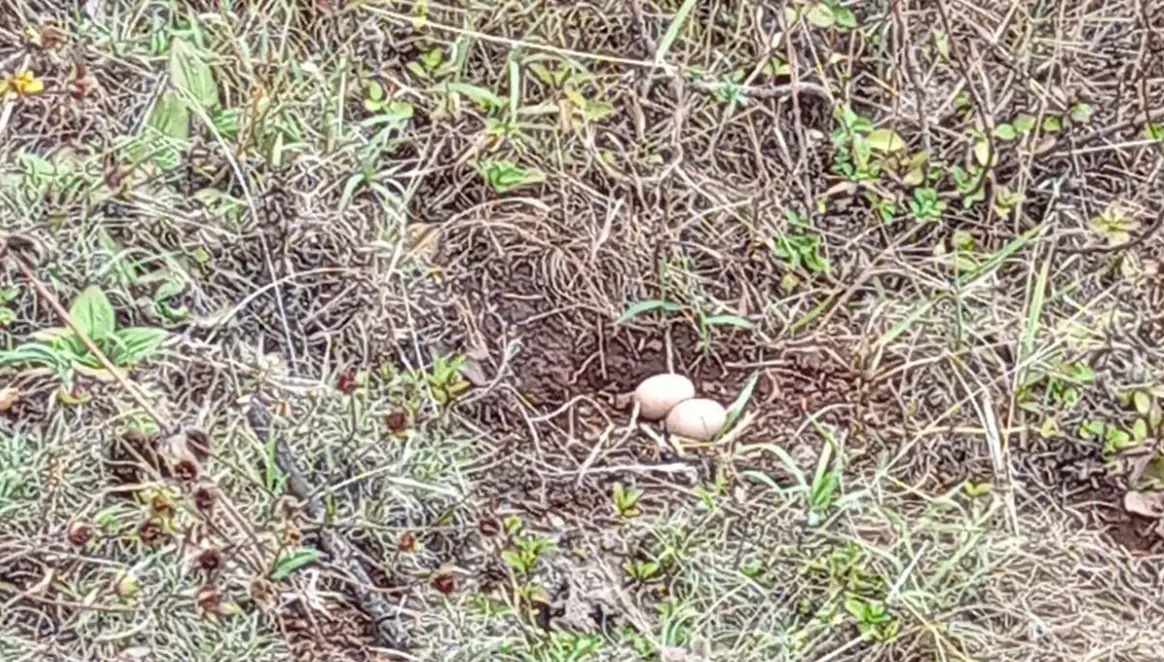
For example, trees like sapteet , whose leaf- shedding signals the approach of rain, and the nesting patterns of kibeyeet birds (see figure 2), which indicate warmth and harvest, were cited as essential components of the Ogiek temporal framework. Such sensory-based logics are more than observational tools; they form the epistemological foundation for movement, ceremonies and sustainable practices. Time was also associated with movements from glades to forests, in response to seasonal cues such as the resurfacing of cheptalamisheek birds, the emergence of bamboo shoots and the behaviour of bees.
This cyclical, nature-bound sense of time aligns with Best’s (2023) theory of temporal sovereignty, where Indigenous communities assert autonomy by maintaining time-worlds that resist colonial linearity. This sovereignty enables long-term stewardship practices that do not rely on externally imposed timelines (such as five-year biodiversity plans or conservation calendars), which often disregard local ecological rhythms.
Participants lamented that climate change and ecological degradation, driven by external forces, have disrupted their temporal cues, leading to a sense of confusion and disorientation. These disruptions are not merely environmental but ontological, severing ties between sensory knowledge systems and cultural identity. The drying of rivers, unpredictability of rain and delayed flowering of indicator plants now make it difficult to time migrations or ceremonies rooted in their cultural identities.
“If our ancestors didn’t understand time from nature, we would not survive.” – Elder
These testimonies suggest that Ogiek time is both a form of knowledge and a mode of resistance. It challenges the extractivism and rigidity embedded in colonial conservation logics and demands an approach that centres temporal multiplicity and Indigenous interpretation. Time is a way of being that affirms relationality with nature and community (Miller, 2021). For the Ogiek, ancestral time continues to shape present responsibilities, particularly in land stewardship and intergenerational knowledge transmission.
Youth participants, while exposed to formal education and modern timekeeping, expressed a desire to preserve these traditional modes of temporal understanding. They saw them not only as cultural heritage but as vital tools for climate resilience and sustainable living. As one young woman shared: “We are learning both ways of time, school time and forest time, but forest time helps us know when to take care of nature.” This quote reveals the dual temporal systems that many Ogiek youth navigate: the rigid, institutional schedules of the contemporary Kenyan state, such as school calendars, work hours and administrative meetings, as well as the cyclical, ecological rhythms of forest life.
“Rain starts when leaves fall, and bamboo shoots come out. We know when to move.” – Youth participant
This coexistence is not always seamless. While some youth articulated a commitment to keeping both systems in dialogue, others hinted at tensions, particularly around how institutional timeframes often disrupt or devalue Indigenous ways of knowing (Coulthard, 2014). For example, schooling may coincide with seasonal movements or rituals, forcing choices that undermine cultural transmission. At the same time, elders appeared more grounded in Ogiek temporalities, referencing seasonal indicators and spiritual cycles, while youth often straddled both worlds, attempting to integrate forest time into their modern lives.
The right of communities to maintain and govern their own time systems offers a useful lens here, as argued by Reid (2021).
For the Ogiek, this means not abandoning state time, but reclaiming the legitimacy of forest time as a system rooted in ecological care, intergenerational learning and spiritual ethics.
Seasonal cycles and ecological indicators
A second emergent theme is the role of seasonal knowledge in guiding sustainable land practices. Interviewees described the Ogiek calendar as embedded in the forest’s rhythms, including the timing of honey harvesting, ritual ceremonies and rest periods for land and water sources.
The Ogiek’s reliance on non-human behaviours as ecological guidance systems emerged strongly in the interviews. Unlike standardised calendars, the community draws upon animal and plant behaviour to guide decisions. For instance, early bee movement forecasts a good honey season, the presence of kipiwotyook birds signals reduced rainfall and the flowering of chemkeniiet plants indicates low ecosystem productivity, affecting rituals such as initiation ceremonies.
This intimate ecological reading supports the argument by Berkes (2009) and Nelson and Shilling (2018) that traditional ecological knowledge embodies place-based and adaptive monitoring systems rooted in cyclical time. For the Ogiek, these are not metaphors or quaint traditions, but actionable signals used in planning farming, ceremonies, movement and harvesting.
“Kibeyeet lay eggs when warmth returns. It tells us when to prepare our lands.” – Woman participant
Wild animals like elephants, monkeys and rats (kibuyetyeet ) are not passive elements of the ecosystem but communicators. Their patterns of migration, nesting or calls serve as cues. The noise of monkeys after tree felling or the movement of rats tells of ecological shifts that influence Ogiek planning. This sensitivity to multispecies communication is increasingly disrupted by climate change, which, according to participants, has interfered with seasons, rendering many signs unreliable.
With more erratic rain and disrupted flowering cycles, the Ogiek now face challenges in predicting food availability or scheduling community rites. Youth participants noted that cultural knowledge once grounded in nature’s rhythms is at risk of loss if nature signals continue to fail. Elders expressed concern about the weakening of long-term memory systems.
To address this, communities have begun documenting the meanings of ecological signs to preserve interpretations for future generations. Some are compiling locally used names and behaviours of species such as kibeyeet , pkorichaak and cheptiriopit, integrating them into community training and storytelling sessions. Others are exploring visual and oral documentation methods through youth-led biodiversity projects, strengthening both intergenerational transmission and ecological resilience.
“When elephants come, they show it is safe and rich land. They move with us.” – Youth participant
This knowledge system is seen as cultural heritage as well as an Indigenous governance tool that strengthens self-determined ecological stewardship. These seasonal practices function as a form of Indigenous ecological governance (Kimmerer, 2013), rooted in reciprocity, restraint and observance of non-human cues. Participants recalled taboos against collecting honey during certain months to protect bee populations or refraining from entering sacred sites during nesting periods. These are not merely spiritual observances but governance systems that protect biodiversity through culturally encoded restrictions.
One participant explained, “If we go to the forest when the season is not right, it is not only a mistake, but also disrespect to the bees and the ancestors.” This reflects a worldview in which more-than-human beings are active agents and kin, not passive resources.
Kinship as governance: Intergenerational and more-than- human relations
Another dominant theme is the importance of ancestral memory and intergenerational ethics in guiding environmental and land-use decisions. Ancestors are viewed not as past figures, but as active participants in shaping Ogiek life. Ancestral guidance is invoked during rituals, land claims and moments of crisis. When facing drought or violations, communities perform rites that call upon spirits for rain or protection.
Rituals such as kotkoteet (child-naming ceremony), storytelling about sacred sites and symbolic food customs (e.g. prohibitions on eating berries with milk) embed ancestral knowledge into moral codes. These practices reflect a worldview where land decisions must be evaluated by their implications for both ancestors and descendants.
This framework aligns with Kimmerer’s (2013) concept of responsibility through kinship, and Carroll’s (2015) work on environmental governance through memory. Stories of cursing those who exploit the land excessively, such as hunters or loggers, illustrate a justice ethic grounded in relational accountability.
“A hunter dies poor because the ancestors curse those who destroy nature.” –Woman participant
Naming practices, especially for children, are used to revive ancestral memory and reaffirm place-based identity. Some participants described how knowledge of boundaries and conservation practices was retained through totemic histories and tales of past migration.
One elder explained how naming a child after a totem animal instils an obligation to protect that species. Through oral histories, songs and ritualised consultations, ancestral presence structures Ogiek conservation, in contrast to top-down bureaucratic models. Rather than static memories, ancestors offer dynamic guidance. Sites such as caves, rivers or burial sites become sacred through these ancestral links, informing which areas are protected.
Kinship emerged as both a cultural value and a political principle, extending beyond human relations to include animals, plants, rivers and ancestral spirits (TallBear, 2011; Todd, 2016).
This more-than-human kinship underpins Ogiek obligations to care for the land and each other. Elders emphasised that songs, names and taboos encode responsibilities towards specific species or forest zones. A recurring example was the bee, which is not only central to Ogiek livelihood but considered a spiritual relative. “We are related to the bee.
We don’t just take honey; we thank them and leave some behind,” one participant explained. These kinship-based ethics were transmitted through storytelling, ritual and daily practice (see figure 3). Mothers sang lullabies that named forest creatures; fathers recounted origin stories that linked the community’s fate with that of the land. This relational framework resists extractive logic and instead cultivates long-term responsibility across generations.
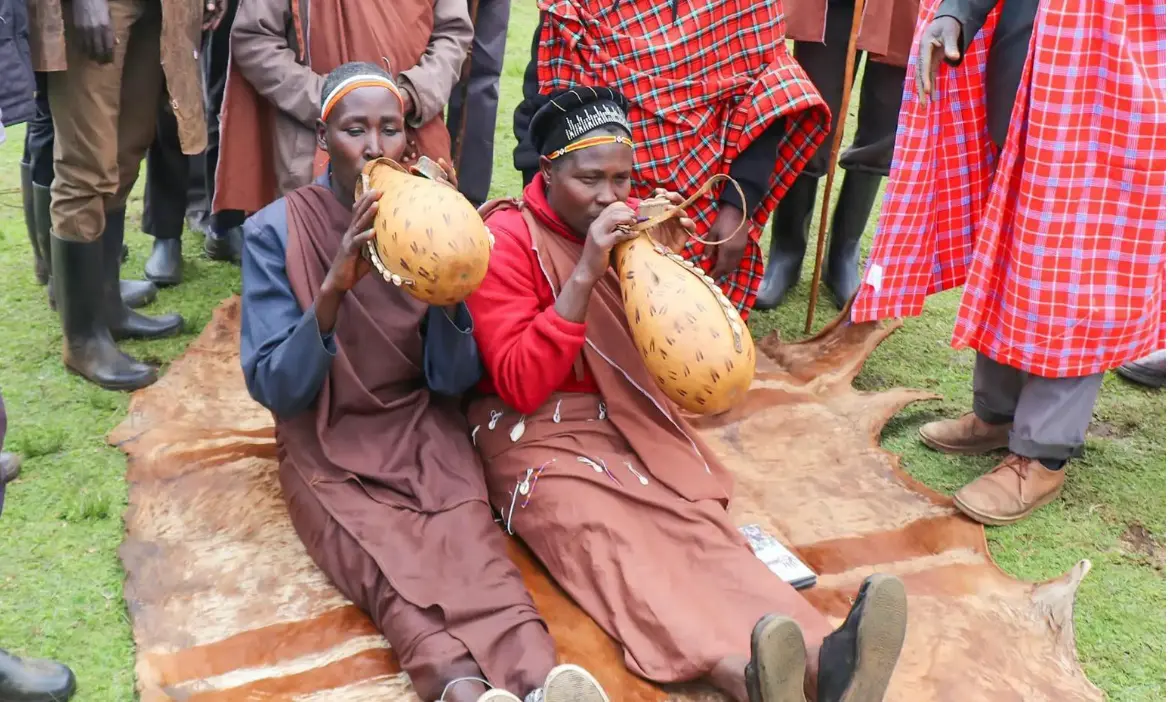
“We quote ancestors to defend the land. It’s them who show us the right way.” –Elder
Youth also described intergenerational dynamics of knowledge-sharing, highlighting both continuity and rupture. While some traditions have deteriorated due to displacement and schooling, others have been revitalised through community-led efforts to record and teach traditional songs and oral histories.
Cultural practices as ecological governance
The fourth theme focuses on the cultural practices that encode, transmit and renew ecological knowledge. Songs, rituals and storytelling were described not just as heritage but as temporal technologies, tools through which time, memory and relational ethics are structured and sustained (Archibald, 2008).
Cultural practices are vital vehicles of ecological governance. Participants emphasised that songs, stories and rituals are not peripheral cultural artefacts but active forms of planning and environmental regulation. Protest songs, such as those by Kibet Marta , are sung to document land claims and mobilise action. Oral riddles serve as moral teaching tools; poems encode biodiversity knowledge and forest ethics.
“We compose songs to protect the land. Even protest songs are stories of conservation.” – Woman participant
Totemic relationships, such as that with the lion, are also stories of empathy and conservation. One tale describes a lion lifting its wounded paw for help, marking the origin of a respectful human-animal relationship.
These stories are not myths for entertainment but narrations that cultivate multispecies ethics.
Practices like prohibiting the consumption of certain food combinations (e.g. berries and milk) were explained as ecological taboos that implicitly manage resource use. Symbolic acts encode biodiversity management within daily life. Women and elders emphasised how these traditions uphold what Simpson (2014) calls ‘land as pedagogy,’ turning territory into a living classroom.
This has direct conservation implications. For instance, practices around salt licks and sacred forests regulate harvesting, while twin births trigger cave rituals that protect those caves. Caves such as Lolwoot are both cultural and ecological reserves. Participants explained that they are important sites for elephants, including as places where they lick salt and give birth. These practices challenge Western conservation strategies that overlook embedded cultural codes of protection.
“Our caves hold stories. Twins were taken there for rituals, so caves became sacred.” – Youth participant
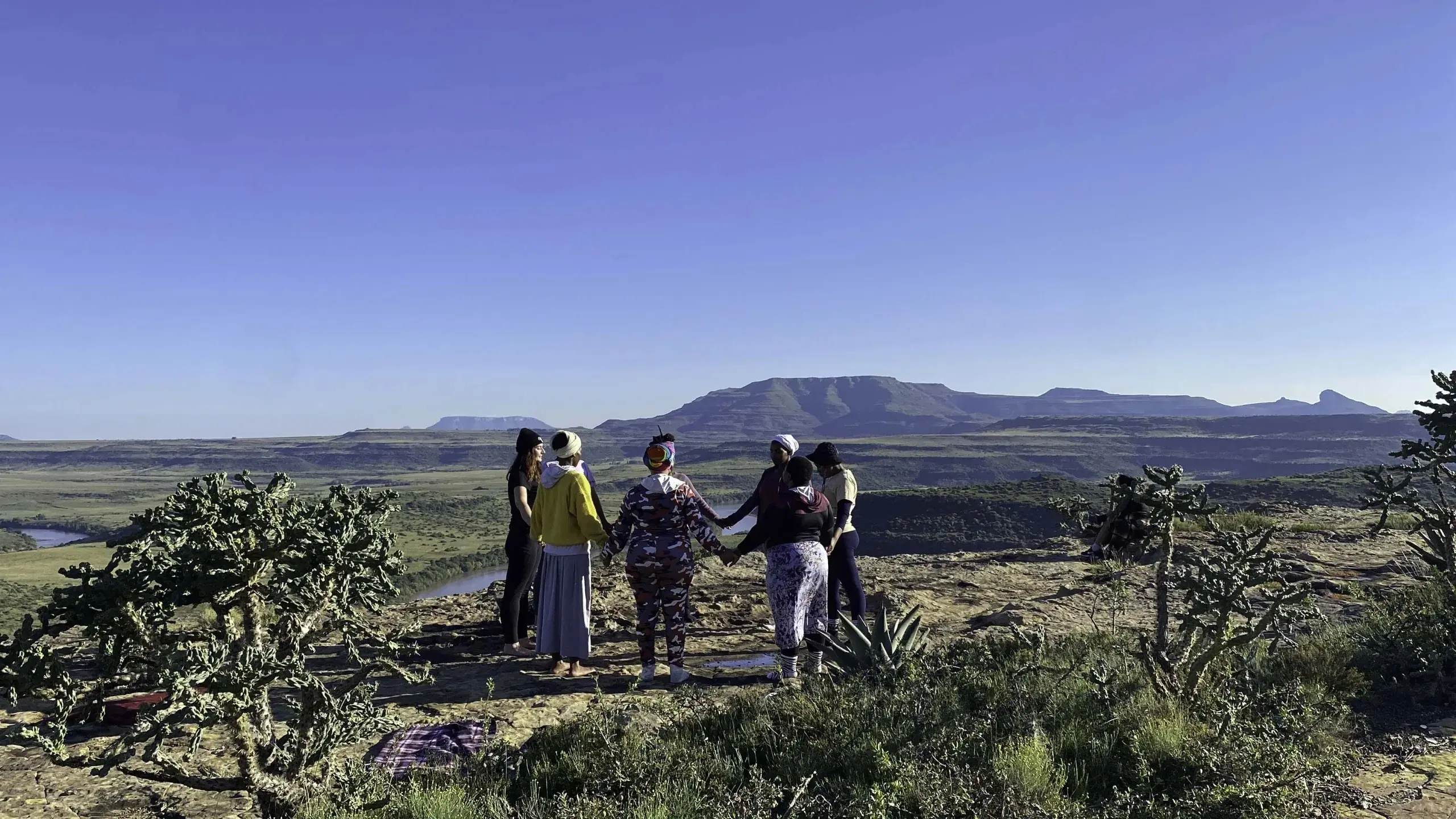
Participants stressed the role of intergenerational transfer through storytelling, festivals and mentorship structures. The practice of kirwokeet (bonfire gatherings) brings together elders and youth to recount ancestral teachings and current ecological shifts (see figure 4).
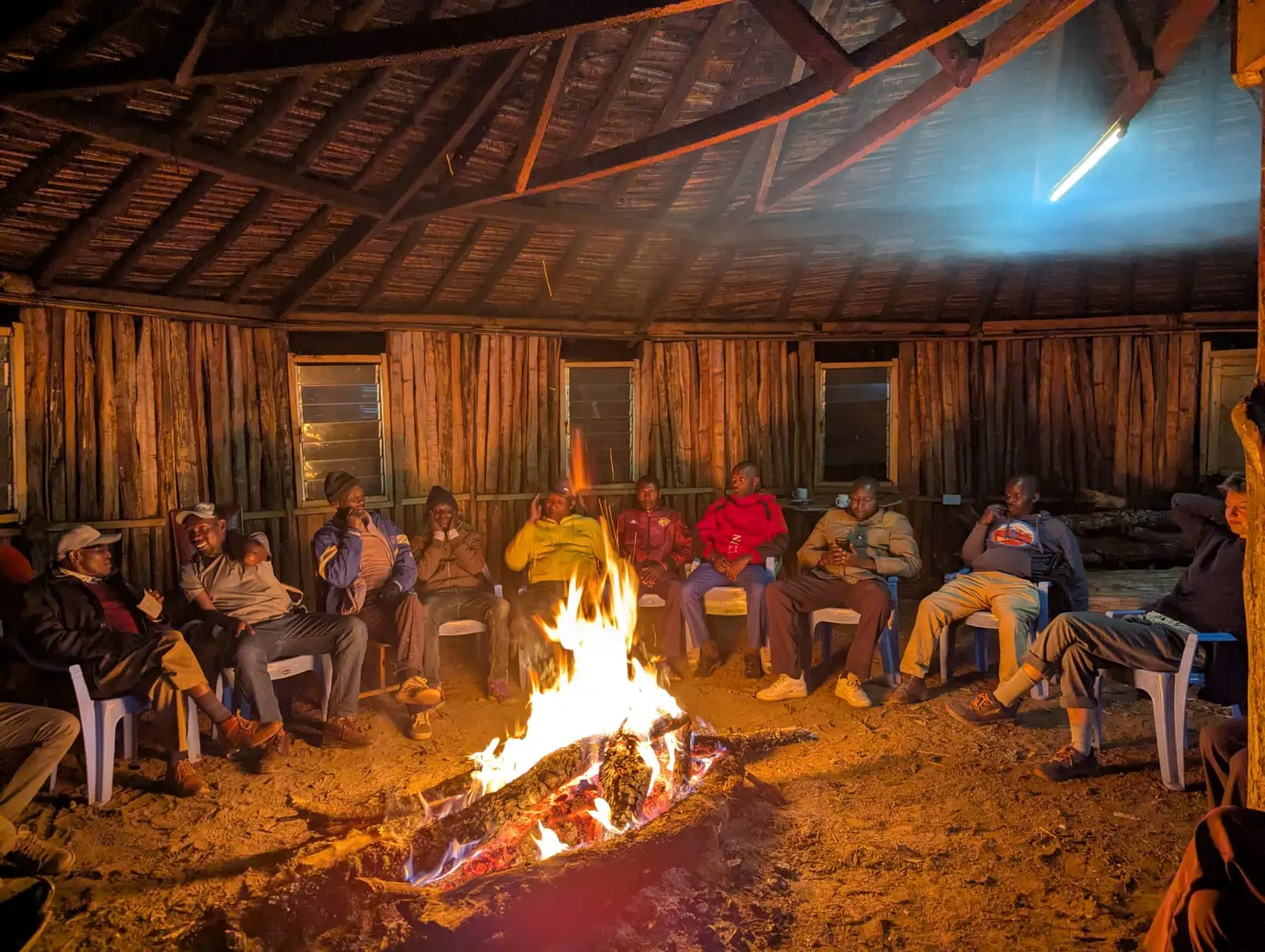
These practices show that conservation is already embedded in Ogiek pedagogy, not needing external frameworks. Many participants spoke of seasonal songs that signal when to plant or harvest, ritual performances that renew ties to land spirits and stories that moralise ecological care. These forms of knowledge transmission are performative, multisensory and affective, bridging past, present and future in ways that defy Western compartmentalisation of time.
One youth reflected, “When the elders sing during planting, they are calling both the rain and the ancestors.” Such practices ensure that land use is not purely functional but ceremonial and relational. They also serve to emotionally anchor younger generations to the land and its rhythms, nurturing a future- oriented ethic rooted in ancestral presence.