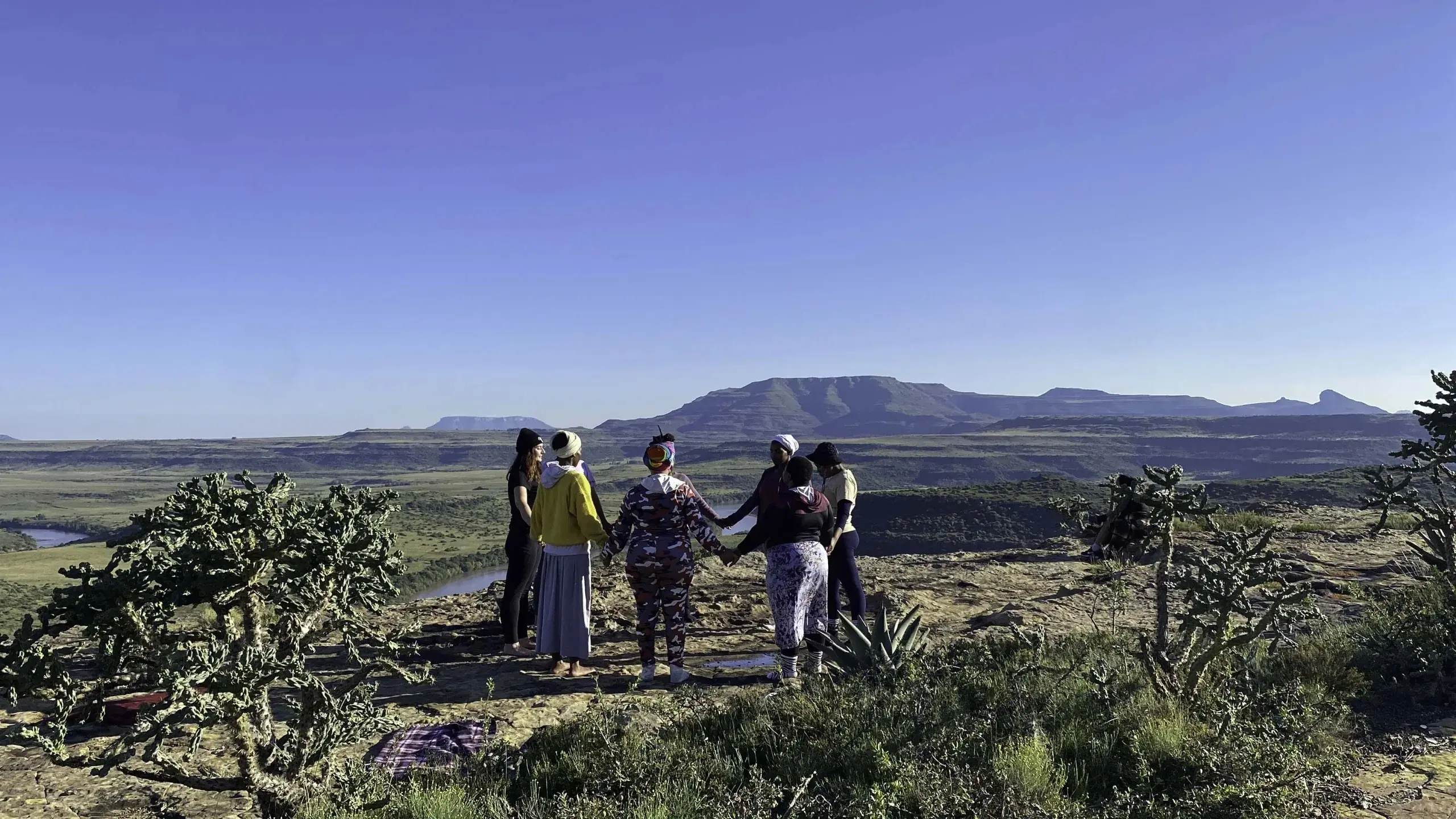
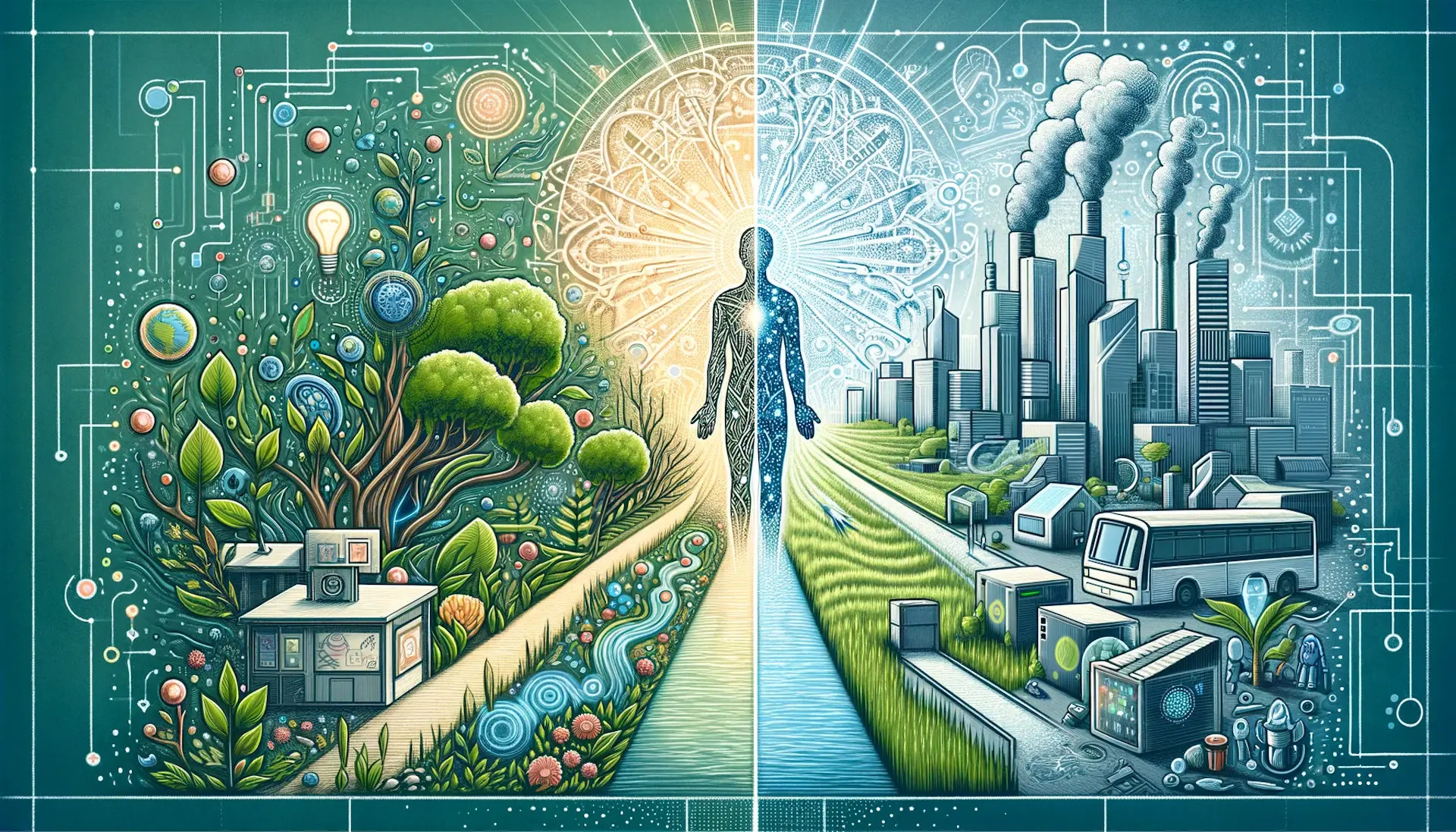
This inquiry uses a decolonial approach to futures for nature, grounded in the lived experiences and relational worldviews of the Ogiek community in Kenya. It presents the research design, ethical considerations, data collection and analysis methods, the rationale for the chosen approaches, and a critical reflection on research limitations.
Research Objectives
To document how the Ogiek community understands and relates to time (e.g., ancestral, seasonal, and ecological time) and how this informs land use, conservation, and intergenerational responsibility.
To analyse the cultural roles of songs, stories, rituals, and spiritual practices in shaping the Ogiek community’s ethical relations with animals, rivers, land, and spirits, and how these practices support imagining just futures for nature.
To evaluate the challenges and opportunities of incorporating Indigenous temporalities and more-than-human kinship into conservation policies using community narratives and comparative literature.
Research Design
The inquiry used multiple methods, including literature reviews and interviews. The study took a mixed-methods approach and generated qualitative data (Newing, 2010). Overall, the study followed a sequential design, in which an initial literature review informed the interview process (Bhattacherjee, 2012).
The study used an exploratory approach to address the objectives, drawing on a literature review and in-depth interviews, given the nascent stage of the more-than-human relationship approach in the conservation sector. The research employed a qualitative methodology, with the literature review guiding the identification of decolonial approaches to kinship and more-than-human relationships in the conservation sector. In-depth interviews aimed to capture views and experiences of time as a non-human element shaping futures for nature.
Further detail on the inquiry, its research design and execution is available in the accompanying PDF